


The Cat Lady Was Always a Slur. This Illustrator Turned It Into a Compliment
Leah Goren's book Catlady gathers essays from comedians, lawyers, and best-selling writers who happen to love cats, and quietly dismantles one of the oldest insults aimed at women.

Affiliate disclosure. This article contains affiliate links. We may earn a small commission if you buy through a link, at no extra cost to you. How we handle recommendations.
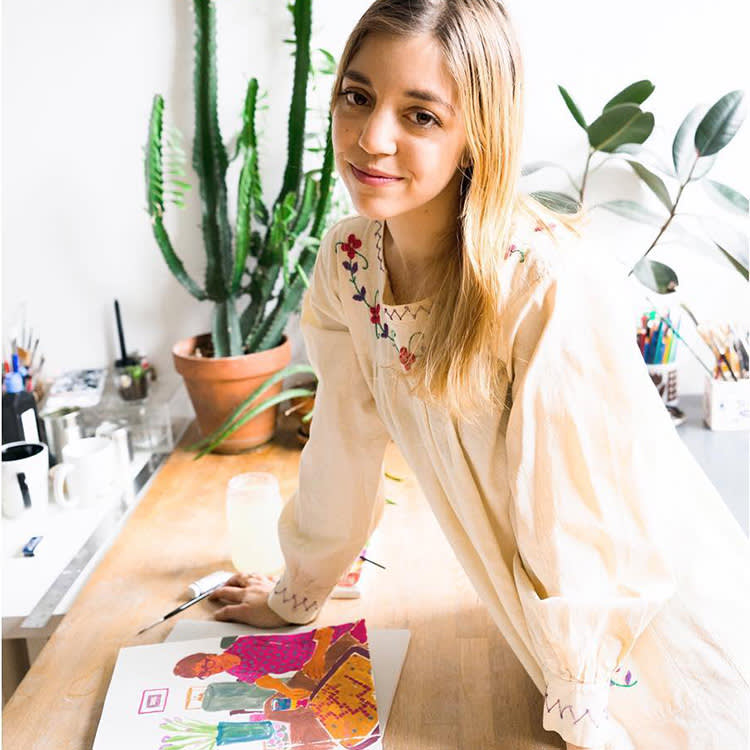
For centuries, “cat lady” was a warning, not a description. The phrase conjured a lonely spinster vanishing under a hissing pile of fur, and the real threat it carried was aimed at women: love your independence too openly, keep too many soft creatures, and this is what you become. Illustrator Leah Goren looked at that whole tired story and decided it needed a different ending.
Her book Catlady is that ending. It is an anthology of essays by women who love cats, wrapped in Goren’s loose, sunny illustrations, and the roster alone detonates the stereotype. The contributors are comedians, including Noël Wells, Ashley Reese, and the book’s lone self-described dog lady, Aidy Bryant. They are painters like Kaye Blegvad, conservationists like Lisa Kytösaho, lawyers like Judy Smith, and journalists like Kelsey Miller. Best-selling novelist Emma Straub is in there. So is writer LaTonya Yvette. These are not shut-ins. They are, more or less, a list of things a young woman might actually want to grow up to be.
The cats came first, then the meaning
Goren did not set out to write a thesis about womanhood. She started drawing cats in art school simply because she liked the way they looked and because the image felt like it could carry symbolic weight, even when it did not carry any at all. The drawings were decorative. But cats kept appearing in her work, and the internet, being the internet, rewarded her for it. So many people responded to the cat drawings that she kept making them, and over time they became the thing she was known for.
Eventually that started to feel like an unfinished sentence. As her illustration career broadened well past cats, she wanted to close the chapter properly by making a book about the actual relationship between cats and women, and to finally find some meaning in all those years of feline doodles. Catlady was the answer to a question she had been drawing around for a decade.
How a book like this comes together
An illustrated anthology is a jigsaw puzzle assembled slightly out of order. Goren gathered the writing first, then made the art to sit alongside it, then hoped the whole thing would lock into place once it hit the page layout. It did. She chose contributors who could speak to wildly different corners of cat life, from kitten rescue to the strange formal world of cat shows, and she leaned toward writers whose work she already loved.
Between the essays she tucked in short, off-kilter mini-histories, and they are the seasoning that keeps the book from reading like a greeting card. One traces the origin of cat-eye makeup. Another recounts how the first cat ever sent to space came to be, a real 1963 mission in which France launched a Parisian street cat named Félicette, who survived the flight and remains the only cat known to have gone to orbit. It is exactly the kind of fact that makes you put the book down and go tell someone.
Goren knows the terrain firsthand. She shares her studio with two Devon Rex cats, Aaron and Lacy, whose curly, near-hairless presence has been a steadying influence on years of solo work. Catlady is one of three books she has published, alongside BESTIES and Ladies Drawing Night, and her illustration clients have ranged from Kate Spade to HarperCollins.
The quiet business of grief
There is a second, softer thread in Goren’s work that the book only hints at: her custom pet portraits, which have become some of her most-requested pieces. Part of their appeal is simple access, since a commission is a relatively affordable way to own an original from an artist whose books sit on shelves. But she hears the same thing again and again from the people who order them. They are commemorating a cat who has died, or one who is getting old and whose time they can feel narrowing. A hand-painted portrait becomes a way to hold on. That someone would trust her with that, she has said, is genuinely moving.
What “cat lady” means now
The insult has not just softened; it has flipped. Over the last few years, “cat lady” has been reclaimed almost entirely, worn as a badge on tote bags and in group chats, defended in essays, and increasingly detached from any assumption about a woman’s romantic life. The shift tracks a broader cultural argument about whether a woman’s worth should be measured by marriage and children at all, and the cat, once shorthand for what she supposedly lacked, has become shorthand for what she has chosen. Books like Goren’s did not cause that turn on their own, but they are part of why it happened: gather enough accomplished, funny, fully realized women under the “cat lady” banner and the word simply cannot mean lonely anymore.
Which is the whole trick of Catlady. It never argues with the stereotype. It just fills a book with the proof that the stereotype was always a lie, and lets the drawings do the smiling.
Sara Lim leads our Product Picks coverage, testing and comparing the things pets and their owners actually use. From everyday essentials to home-and-style finds, she focuses on honest, useful recommendations rather than hype.
Meet our experts ↗Keep reading
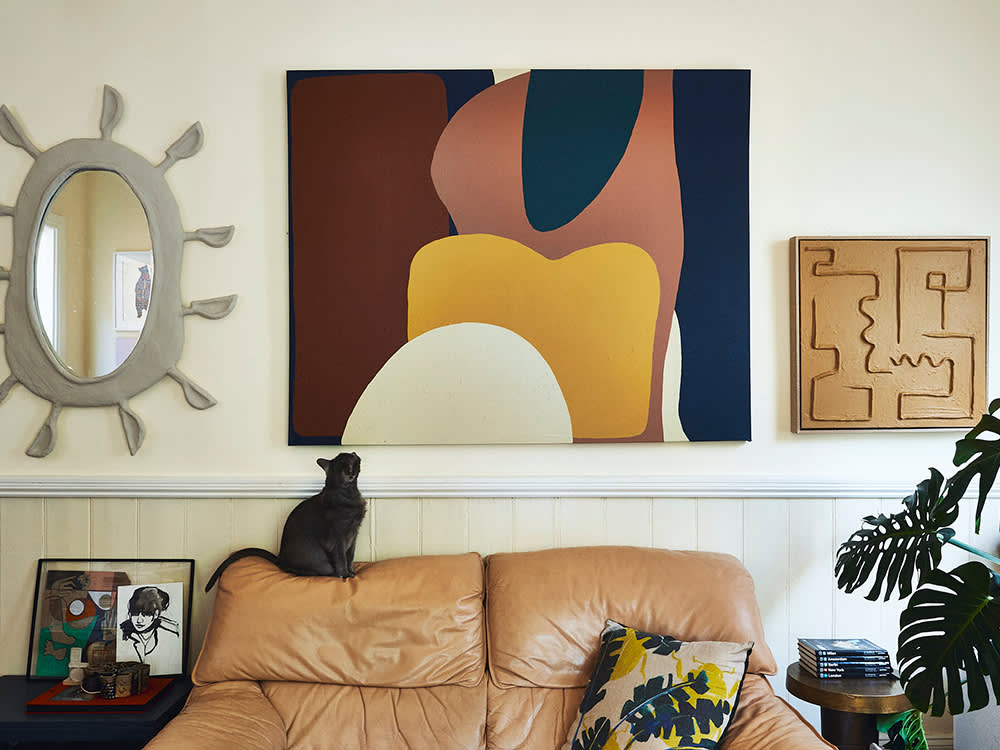 LivingThe Cat Decides When the Photo Shoot Is Over. Never the Photographer.Sasha Ford · 6 min
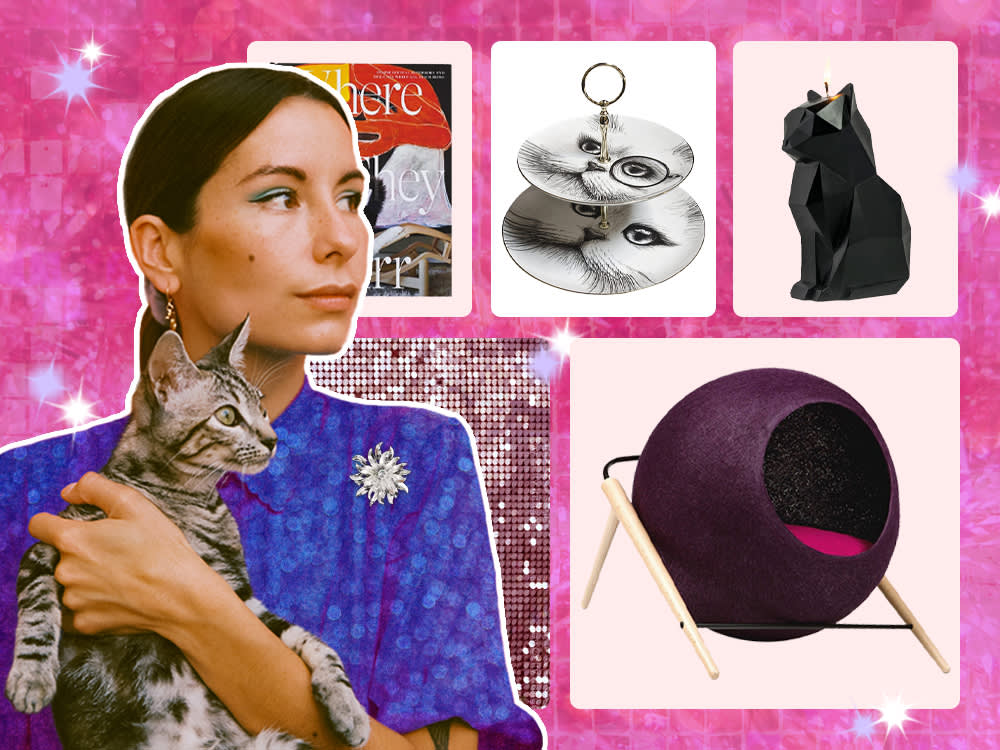 Product PicksCat-Lover Gifts That Are Actually Chic, Not Cringe: 12 PicksSara Lim · 7 min
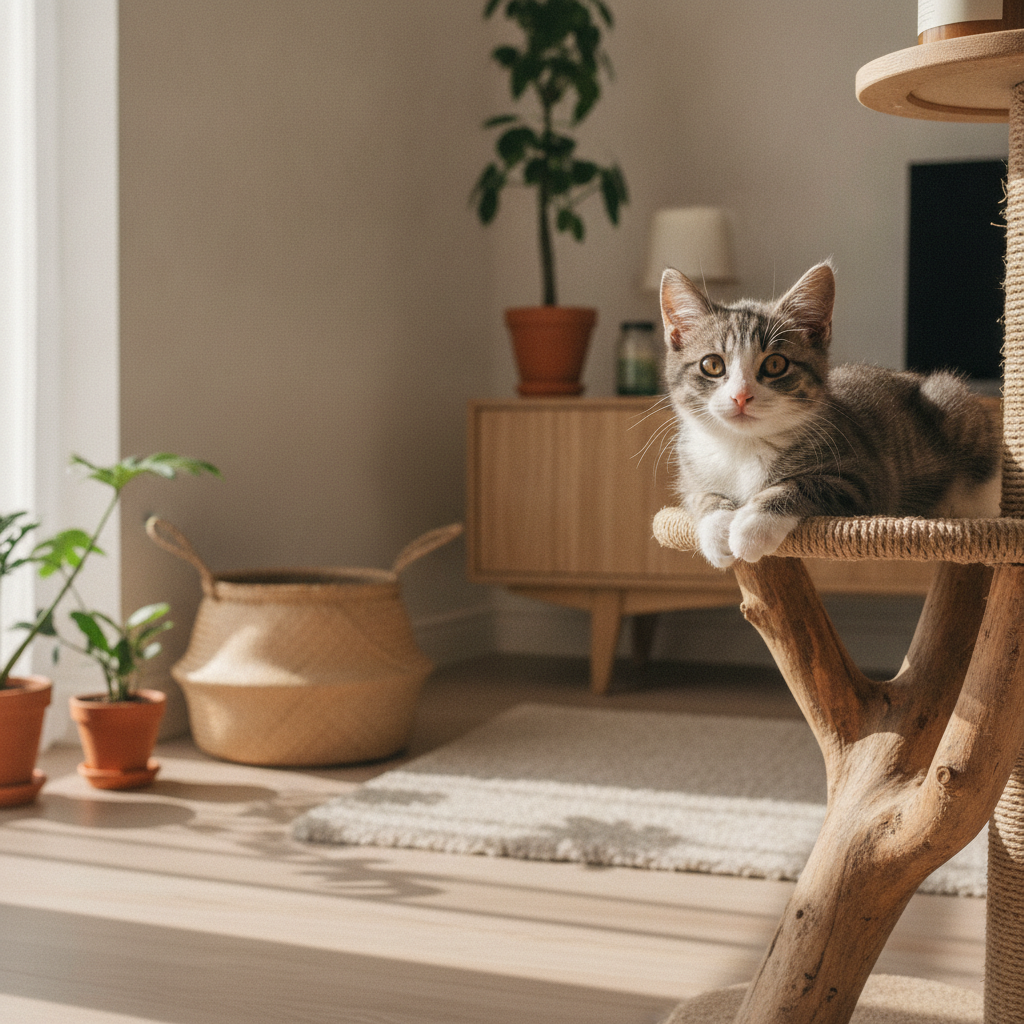 Product PicksThe Cat Tree You Won't Shove in the Basement Before Guests ArriveLeila Torres · 6 min
 Product PicksMost Cats Don't Need a Sweater. The Ones That Do Deserve This One.Sasha Ford · 5 min
 Product PicksHow to Choose Cat-Proof Carpet: A Buyer's Framework, Not a Brand ListSara Lim · 5 min
 Product PicksGifts for the Cat Person Who Insists They 'Don't Need Anything'Sasha Ford · 6 min