


Neem Oil Won't Shield Your Dog From Fleas. Here's What It Can Actually Do.
Neem oil gets sold as a natural flea-and-tick fix. It isn't one. It's a mild, short-lived helper that belongs beside proven prevention, never in place of it, and only ever on the skin. A vet's guide to using it without getting it wrong.

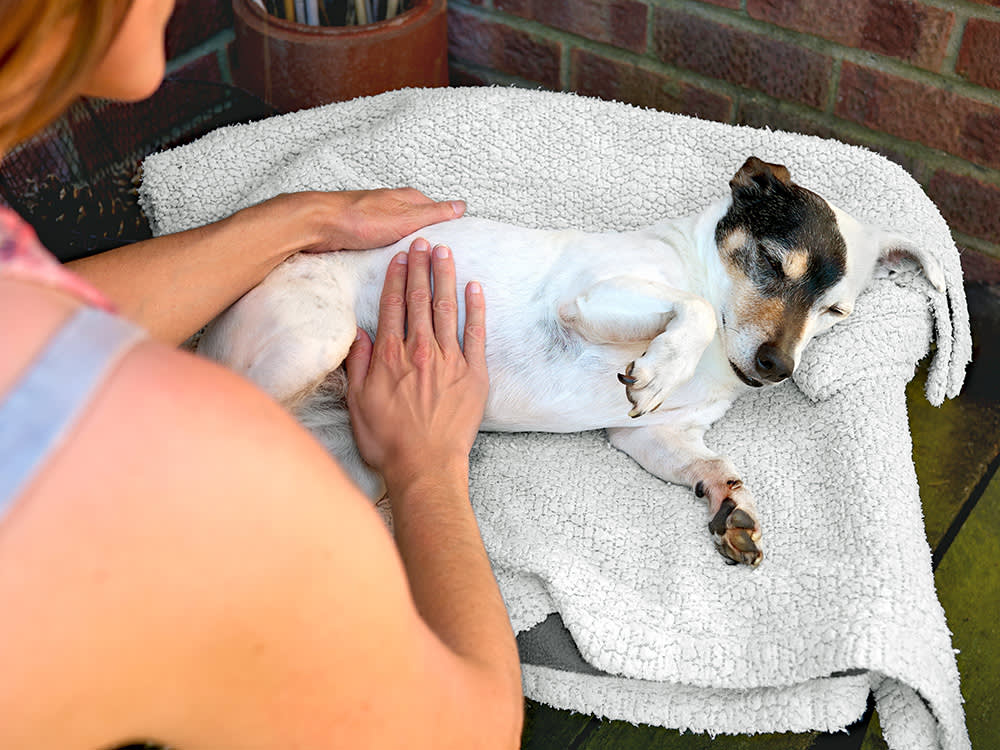
Neem oil shows up in a lot of “natural flea prevention” conversations, and it arrives wearing an impressive résumé: centuries of use in Ayurvedic medicine, a spot in organic gardening, a reputation for fighting bugs. All of that is real. What gets lost is the size of the effect. Neem oil is a mild, short-lived helper, not a shield. Treat it as a supporting player and it can earn a place in your routine. Treat it as your dog’s actual protection against fleas, ticks, or mange, and you will leave your dog exposed to exactly the things you thought you were guarding against.
So let’s set the expectation before the how-to: neem oil is generally non-toxic to dogs, it goes on the skin and never in the mouth, and it works best alongside proven products rather than instead of them. Everything else follows from those three facts.
What neem oil actually is
Neem oil is a vegetable oil pressed from the seeds of the neem tree, Azadirachta indica, a species native to India and parts of Southeast Asia. It has a long history in traditional skin care and as a natural pesticide, and it carries compounds credited with antibacterial, antifungal, antiviral, and anti-inflammatory activity. For the skin specifically, it brings fatty acids, vitamin E, and antioxidants.
It also smells terrible. Neem oil has been compared to sulfur, garlic, onions, rotten peanuts, and stale body odor, and the smell lingers. That’s not a safety issue, but it is the reason a lot of people who try it once don’t try it twice.
Why it repels bugs, and why that only goes so far
The pest-fighting reputation comes from a compound called azadirachtin. In insects, it acts as an “antifeedant,” a smell and taste unpleasant enough that bugs avoid it even to the point of starvation, and it scrambles the hormones insects need to mature, mate, and lay eggs. That’s genuinely useful in a garden, where neem is popular partly because it spares many pollinators like bees, birds, and butterflies.
On a dog, the same compound can help drive off fleas, ticks, mosquitoes, and the small flies that bite, and studies confirm it has real activity against several parasites. The problem is duration and strength. Research also shows neem is simply weaker than conventional preventatives, and the protection is fleeting: against mosquitoes, for example, the repellent effect has been measured at only about four hours. A parasite defense that clocks out mid-afternoon is not a defense you can build a season around.
Where it can genuinely help
None of this makes neem oil useless. It makes it a supporting act, and there are roles where a supporting act is worth having.
For skin, dogs dealing with irritation or itchiness may get some relief from a bath with a shampoo that includes a little neem oil, which can calm inflammation even though it won’t cure the underlying cause. For the conditions it’s most often hyped against, demodectic mange and ringworm, the honest read is that there’s little evidence neem cures either. It can play a supporting role, and dogs with demodectic mange in particular do better with a strong immune system, which you build through good diet, exercise, and routine veterinary care, not a bottle of oil.
The theme repeats: neem supports skin and comfort, real medicine does the treating.
The risks worth taking seriously
“Non-toxic” is not the same as “safe for every dog in every situation,” and neem oil has a few hard lines.
It is for topical use only and must never be given by mouth. Swallowed neem oil can cause gastrointestinal upset or even neurological symptoms. Some dogs are simply sensitive to it and react with irritation or redness, particularly when the oil is more concentrated. It has shown harmful effects on pregnant animals and the young of other species, which is why it’s kept away from dogs who are pregnant or used for breeding, and from young puppies. And because neem can affect both hormones and blood sugar, it can be a poor fit for dogs with endocrine conditions like diabetes. When in doubt, that’s a conversation with your vet, not a guess.
How to use it without getting it wrong
If you’ve decided neem earns a spot in your routine, a few precautions keep it in the “helpful” column. Start by checking with your veterinarian, especially if your dog has any existing condition. Buy cold-pressed neem oil from a reputable source, because heat inactivates the azadirachtin that does the pest-repelling work. Dilute it, at least 1:10 in a carrier oil such as grapeseed, since full-strength neem can irritate skin. The first time, run a patch test at a low concentration, around 10 percent, on a small area and watch for at least 12 hours before going further. Keep it away from the eyes, mouth, and any open wounds. And pair it with a proven preventative rather than asking it to do that job alone.
Commercial shampoos and sprays with low neem concentrations are a convenient middle path, as long as the maker is open about what’s inside and how it’s produced. You can also add a few well-mixed drops to a pet-safe shampoo yourself.
Better ways to actually keep parasites off
Since neem can’t carry parasite prevention on its own, the real protection is twofold: clinically proven, vet-recommended flea and tick products, plus environmental control that shrinks the bug population around your dog in the first place. That means vacuuming often, steam-cleaning carpets, washing bedding regularly, keeping mosquitoes out with window screens, and steering clear of the tall grass and underbrush where ticks tend to lurk. Those habits do more, and last longer, than any oil.
The bottom line
Neem oil isn’t toxic to dogs, though it can irritate the skin at high concentrations and upset the stomach if swallowed. It has some real activity against external parasites, yet it’s weaker and shorter-lived than veterinary-recommended products, so it belongs as support for skin care and comfort, never as a cure or a standalone preventative. Skin only, never the mouth, and always beside the proven stuff.
The mistake I see is treating ‘natural’ as a synonym for ‘protective,’ and with neem oil those are two different things. I’m happy to have it in the picture for a dog with itchy skin, as a small part of a bath. What I don’t want is a family believing an oil that quits after a few hours is standing between their dog and Lyme disease. Let the neem soothe, and let a proven preventative do the guarding.
References
- Joshi, Shraddha, et al. “A Study of Effect of Neem Oil on Clinical Signs of Canine Atopy.” Ancient Science of Life, vol. 32, Suppl. 1, 2012, p. S24, pmc.ncbi.nlm.nih.gov.
- Kilani-Morakchi, Samira, et al. “Azadirachtin-Based Insecticide: Overview, Risk Assessments, and Future Directions.” Frontiers in Agronomy, vol. 3, 2021, doi.org.
- Suraj, Rachel-Ann, et al. “A Comparison of the Efficacy of Two Commercial Acaricides (Fipronil and Amitraz) with Azadirachta indica (Neem) on the Brown Dog Tick.” Transboundary and Emerging Diseases, 2019, doi.org.
- National Pesticide Information Center. “Neem Oil General Fact Sheet.” Oregon State University, npic.orst.edu.
Common questions
What should I do if my dog swallows neem oil?
Watch closely for vomiting, diarrhea, drooling, or any change in behavior or coordination, and call your vet if you see them. Neem oil is for skin only and should never be given by mouth.
Does neem oil need to be diluted?
Yes. Full-strength neem oil can irritate skin, so dilute it at least 1:10 with a carrier oil such as grapeseed before it touches your dog.
Is it safe for my dog to smell neem oil?
The smell won't hurt them, though most dogs aren't fans of its strong garlic-and-sulfur odor.
Not a substitute for your vet. Our guidance is educational. For urgent symptoms, contact a vet or emergency clinic right away. Editorial standards
Dr. Solis is a board-certified veterinary dermatologist with over twelve years of clinical experience. She advises on skin conditions, allergies, and grooming practices that affect coat and skin health. All dermatology and allergy content at The Pet Times is reviewed by her team before publication.
Meet our experts ↗Keep reading
 FoodYou Don't Have to Believe in Chi to Use the Warming-and-Cooling Food TrickDr. Amara Solis · 7 min
 Health & Wellness8 Natural Allergy Buys Worth a Spot in Your Cabinet (and the Popular One to Skip)Dr. Priya Nair · 8 min
 Health & WellnessThe Same Scents That Calm a Shelter Dog Can Poison YoursDr. Lena Park · 7 min
 Health & WellnessRingworm in Dogs Isn't a Worm. And Half the Cure Happens at HomeDr. Priya Nair · 7 min
 Health & Wellness'Natural' Dog Shampoo Isn't a Safety Claim. Nobody Is Checking.Dr. Priya Nair · 7 min
 Health & WellnessMost 'Natural' Fly Repellents for Dogs Are Useless or Toxic. Here's What Isn't.Dr. Amara Solis · 8 min