


Ringworm in Dogs Isn't a Worm. And Half the Cure Happens at Home
Your vet's antifungal pills clear the dog, but the spores in your house are what cause reinfection. Here's the three-front plan for treating ringworm in dogs, including the home-care steps that decide whether it's gone for good.

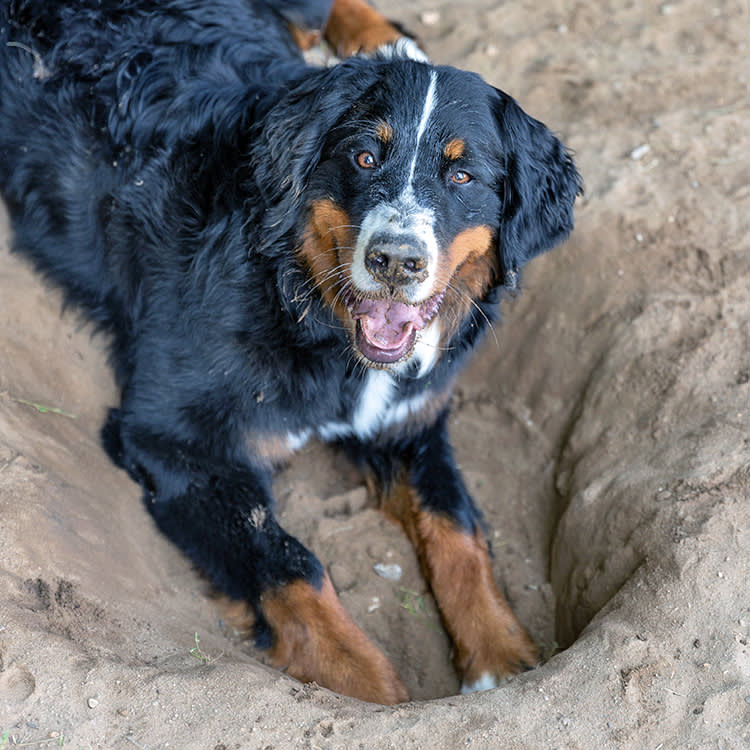
If you have ever nursed a dog through ringworm, just reading the word might make you scratch. But here is the reframe that actually shortens the ordeal: the medicine your vet prescribes is only half the job. Oral antifungals clear the fungus out of your dog, and that part is largely on the clinic. The other half, the part that decides whether ringworm comes back a month later, happens in your living room, with a vacuum and a bottle of disinfectant. Treat the dog and ignore the house, and you are setting up for round two.
So think of ringworm as a case you and your vet are closing together. Your vet handles the dog. You handle the environment. Miss either side and the case stays open. Everything below is built around that split.
First, what ringworm actually is
Despite the name, ringworm is not a worm. It is a fungal skin infection, caused by a few species of fungi that a dog can pick up from other animals or straight from the soil. The most common culprit in dogs is Microsporum canis, which spreads animal to animal.
Contact does not automatically mean infection, though. For an active case to develop, a dog generally needs exposure to enough infective spores, some disruption of the skin’s natural defenses (a small abrasion or other minor trauma), and a moist environment where the fungus can grow. Dogs whose immune function is compromised by stress, age, medication, or other illness are more susceptible. That “spores plus broken skin plus moisture” recipe is worth remembering, because it explains why the environmental cleanup later is not optional busywork.
How to tell your dog has it
Ringworm is genuinely hard to identify by sight alone. The classic lesion is a small, crusty, flat, circular, hairless patch, and a dog may have a single spot or many, anywhere on the body. Other dogs grow kerions instead, red raised nodules. In severe cases you may see broad hair loss, skin that has thickened badly, puffy feet, ulcers, or oozing tracts. Whether it itches varies from dog to dog, though plenty of affected pups do scratch.
One unwelcome clue is the household spread itself: ringworm jumps readily to other pets and to people, and plenty of dog owners first suspect it when they develop their own itchy, ring-shaped lesions on their arms and hands. That is useful information to bring to your vet, even if they would rather not inspect your skin, we are animal doctors, after all.
Will it clear on its own?
A dog with a healthy immune system can overcome ringworm on its own over a span of weeks to months. But that is not a safe bet: some dogs will not shake it off no matter how much time passes. And because the fungus spreads to people and other animals the entire time, waiting it out is rarely the responsible choice. Early treatment keeps a manageable problem from becoming a household one.
The three-front plan
Clearing ringworm takes a combination of therapies, some run through your vet and some handled at home, aimed at three targets:
- From the inside. Oral antifungals drive the fungus out of deeper tissue.
- From the surface. Medicated dips or shampoos kill fungus on the coat and lower the odds of spread and reinfection.
- From the environment. A cleaning routine cuts the load of infectious spores around your home.
Each front covers a gap the others leave open, which is why dropping one is the classic way to end up back at square one.
Doing your half at home
Home care limits how far ringworm spreads and shortens how long your dog needs to stay on medication. The wrinkle that makes it tricky is timing: the lesions often heal before the infection is truly gone, so you cannot use “looks better” as your finish line. That is why negative ringworm tests, not clear skin, mark the actual end.
Step 1: Follow your vet’s instructions to the letter. The exact medication depends on your dog’s weight and health history. Follow the guidance on feeding (some antifungals go down on an empty stomach, some don’t), dosing frequency, monitoring for side effects, and follow-up testing. This is the front your vet leads; your job is precision.
Step 2: Keep up the medicated baths. Expect a prescription for either an antifungal dog shampoo or lime-sulfur dips. The dips are the most effective topical route, but they are smelly and messy, can stain light coats and clothing, and often mean repeat clinic visits, so many owners let the vet’s office run them. Shampoo baths are doable at home, usually twice weekly, and the label’s contact time matters, most products want a soak of five minutes or more to work. Follow each bath with treats so it stays a positive experience rather than a fight.
Step 3: Strip the spores from your home. This is your half of the cure, and its scale depends on your house and its furnishings. Everywhere, start by clearing loose hair, dust, and debris through sweeping, vacuuming, and surface wiping. Disinfecting comes next, matched to the material: launder small rugs, steam-clean carpet, mop hard floors. Launder your dog’s clothes, bedding, collars, and bowls apart from your household’s, glove up while you do it, and toss any un-washable fabric items, replacing them after the infection has cleared. Run the light cleaning daily and the disinfecting twice a week. Plenty of household disinfectants kill the fungus; bleach works best but isn’t safe on every surface, so let your vet direct the products and frequency based on the particular species your dog has.
Step 4: Think about confinement. Cleaning up behind a dog who roams the whole house is a losing game, so keeping your dog to easy-to-mop areas can shrink both the workload and the spread. It isn’t right for every dog, a young pup mid-socialization or a dog prone to separation anxiety may struggle with it, so weigh the tradeoffs with your vet. And if sealing them in one room isn’t realistic, simply gating off a few zones still helps.
Step 5: Retest before you call it done. Do not assume the case is closed because the lesions are gone and the medication bottle is nearly empty. Ringworm is stubborn and slow to fully clear. Get your dog retested to confirm the infection is truly gone before stopping treatment, because restarting from scratch after new lesions appear is exactly the outcome all this effort is meant to avoid.
Preventing the spread, and when to call
The surest way to stop ringworm from spreading is to begin the three-front treatment as early as you can. Strict confinement isn’t mandatory, but it’s worth weighing when the spread risk is high, say if someone at home is immunocompromised. Keep your hygiene tight throughout: scrub your hands and forearms after handling your dog or anything they’ve touched.
Book a visit if any hairless skin lesion shows up on your dog, especially a crusty, flaky, itchy one, or if the humans or other pets under your roof start developing skin problems of their own, a pattern that can point to a contagious infection like ringworm. Your vet can run tests to confirm ringworm and rule out look-alikes such as allergies, bacterial infections, and autoimmune disease. Catching it early spares a lot of unnecessary trouble for everyone the dog contacts.
People put all their faith in the pills and then wonder why the ringworm keeps coming back. The pills are doing their part. What reinfects the dog is the invisible layer of spores on the bedding and the floor. I tell owners the medication is my department and the vacuum is theirs, and the dogs that clear fastest are the ones whose owners took the cleaning as seriously as the prescription.
What newer research adds
Current veterinary dermatology reinforces the two-handed approach in this piece and, if anything, leans harder on the environmental side. Practical treatment guidance continues to favor pairing a systemic oral antifungal with regular topical therapy such as lime-sulfur dips or medicated shampoo, and it increasingly frames thorough household decontamination as a co-equal pillar rather than an afterthought, because spores lingering in the home are now recognized as a leading reason infections appear to relapse.
The other steady message is to treat to cure, not to appearance. Because a dog can look completely healed while still carrying viable fungus, the standard of care is to confirm resolution with follow-up testing rather than stopping when the skin clears. It is slower and less satisfying than eyeballing it, but it is what actually prevents the frustrating restart, and it is the single habit most likely to close the case for good.
References
- Moriello, Karen — “Dermatophytosis in Cats and Dogs: A Practical Guide to Diagnosis and Treatment,” In Practice, 2019
- Paryuni, Alsi Dara, et al. — “Dermatophytosis in Companion Animals: A Review,” Veterinary World, 2020
- Merck Veterinary Manual — Dermatophytosis in Dogs and Cats
- Center for Food Security and Public Health — Dermatophytosis (Ringworm)
Common questions
How contagious is ringworm from a dog to a human?
Quite contagious, though it needs a break in the skin to take hold. Many owners of ringworm-positive dogs develop their own itchy lesions on the arms and hands. Wash your hands and arms after handling an infected dog, wear gloves for cleanup, and watch yourself and other pets for new spots.
What's the fastest way to treat ringworm on a dog?
Hit all three fronts at once: oral antifungal medication from your vet, topical treatment like an antifungal shampoo or lime-sulfur dips, and thorough environmental cleaning. Skipping any one front is the most common reason infections drag on.
Not a substitute for your vet. Our guidance is educational. For urgent symptoms, contact a vet or emergency clinic right away. Editorial standards
Dr. Nair is a veterinarian focused on diet and feeding. She covers everyday nutrition, treats, and the many "can they eat this?" questions owners ask, grounding each answer in what is actually safe and sensible for dogs and cats.
Meet our experts ↗Keep reading
 Health & WellnessYou Can't Cure Dog Allergies. Here's What Actually Stops the Itch.Dr. Amara Solis · 12 min
 Health & WellnessA Dog Who Keeps Shaking Their Head Is on a ClockDr. Priya Nair · 8 min
 Health & WellnessYour Dog's Yeast Infection Won't Surrender to Coconut OilDr. Priya Nair · 7 min
 Health & WellnessYour Dog's Red Eye: When to Treat It as an Allergy, and When to Assume the WorstDr. Amara Solis · 6 min
 Health & Wellness"I Didn't See Any Fleas" Is the Most Misleading Thing to Say About an Itchy DogDr. Mara Chen · 10 min
 Health & WellnessPaw Chewing Is a Loop, Not a Habit. Breaking It Takes Two Moves.Dr. Amara Solis · 8 min