


Your Dog's Red Eye: When to Treat It as an Allergy, and When to Assume the Worst
Allergies itch, infections hurt. One eye or two, thin discharge or thick, one worry that fades or one that gets worse by the hour. Here's how to read your dog's irritated eye, and the safe default when you can't tell.

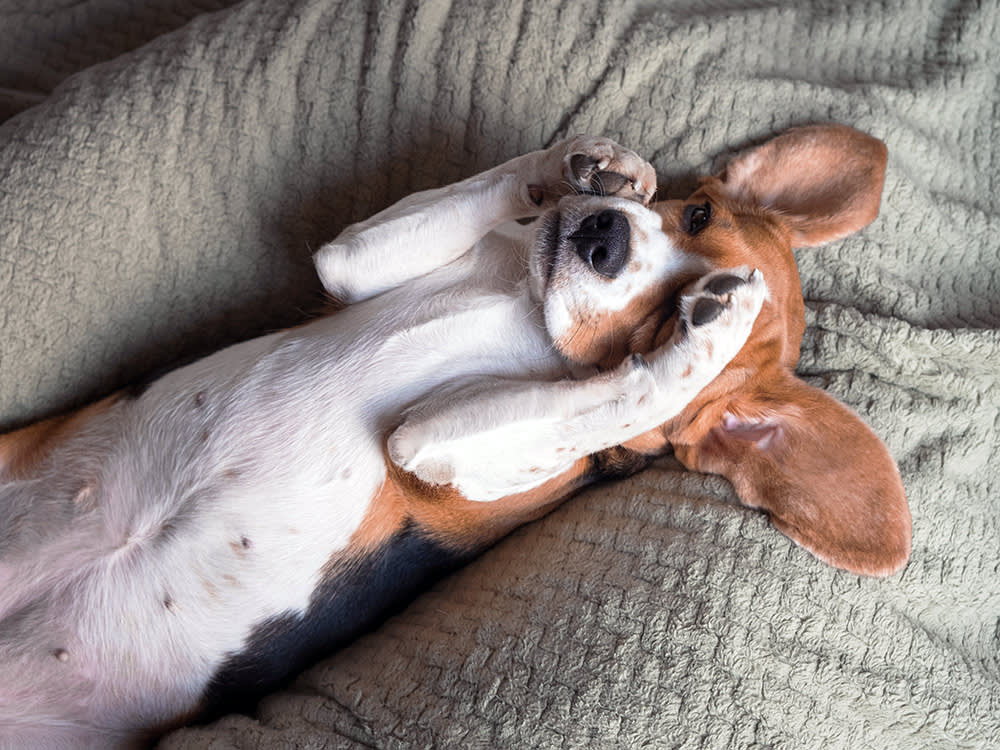
You went to bed with a perfectly fine dog and woke up to a red, weepy, half-shut eye staring back at you. Eye trouble does that. It arrives overnight and looks dramatic even when the underlying cause is minor, which is exactly what makes it so hard to know how worried to be.
Most irritated dog eyes come down to one of two culprits: allergies or an infection. They can look almost identical in the first hours, and telling them apart matters, because one is an itch you can often manage and the other is a problem that gets worse the longer it waits. So here’s the frame this piece is built on, and it’s the safest one a dog owner can carry: when you genuinely can’t tell which you’re looking at, assume it’s an infection until a vet proves otherwise. That single default protects your dog’s comfort and, in the worst cases, their vision.
Let’s make the two easier to tell apart, and then draw the line for when guessing stops being okay.
When it’s allergies: the itch
Eye allergies aren’t an invasion. They’re your dog’s immune system overreacting to something ordinary in the environment, and the redness is inflammation, not infection. Nothing is actively attacking the eye.
The trigger list is mostly household and backyard: tree, grass, and weed pollen; mold; dust mites; smoke; whatever you clean the counters with; and the scented category people rarely suspect, meaning candles, plug-in fresheners, and perfume. For some dogs this runs all year. For others it arrives on a schedule, and spring and fall are usually the worst of it.
The tells lean toward irritation rather than pain. You’ll usually see redness or pinkness, squinting or frequent blinking, a clear and watery discharge, and pawing or rubbing at the eyes. There may be mild eyelid swelling. And crucially, allergies tend to hit both eyes at the same time. The overall vibe is a dog whose eyes itch and annoy them, not a dog in real pain.
Diagnosing allergies is mostly a process of elimination, because there’s no simple test for it. A vet works by ruling the scarier things out: checking for seasonal or allergy patterns, examining the eye’s surface, looking for any foreign material, and often running a fluorescein stain to make sure there’s no corneal ulcer hiding underneath. What’s left, once the dangerous stuff is excluded, is often allergy.
Treatment then aims at calming the overreaction. That can mean oral or topical antihistamines, steroid or non-steroidal anti-inflammatory eye drops, artificial tears to flush allergens out, and managing any underlying skin or environmental allergies driving the whole thing. One firm rule sits on top of all of it: never put your own eye drops in your dog’s eye unless your vet specifically okays it.
When it’s an infection: the pain
An infection is a different animal. Now bacteria, a virus, or a fungus is actively involved in the eye’s tissues, and the defining feature is that it tends to get worse, not better, without treatment.
The types run from common to rare: bacterial conjunctivitis is the usual suspect; viral infections often show up as a secondary problem; fungal infections are uncommon and tend to be region-specific; and secondary infections can follow trauma, dry eye, or even an allergy that opened the door.
The signs skew toward pain and mess. The discharge thickens and takes on color, yellow or green or a chalky white; the eye and its rim swell and redden; a crust builds along the lids; the dog squints or simply keeps the eye shut; and bright light becomes something to turn away from. Allergies itch. Infections hurt. That distinction does a lot of work. So does the count: an allergy usually inflames both eyes at once, whereas an infection tends to open in one eye and travel to the second later.
A vet confirms it with an eye exam and a close look at the discharge, a fluorescein stain, tear-production testing, an eyelid and eyelash check, and a bacterial culture if infections keep recurring. Getting the diagnosis right is what lets them pick the correct treatment, which may include antibiotic drops or ointment, anti-inflammatory medication, antivirals when a virus is involved, pain relief, and treating whatever underlying issue set it off. The good news: infections usually improve fairly quickly once the right treatment starts.
The cheat sheet, and its one hard rule
Line the two up and a pattern emerges. Allergies bring clear discharge, itch more than they hurt, and hit both eyes; they’re recurring or seasonal. Infections bring thick, discolored discharge, hurt more than they itch, and often start in one eye; they tend to worsen fast.
Owners want a way to rule out the scary option from the couch, and I understand why, but the eye doesn’t cooperate that neatly. So I give people a working rule instead of a diagnosis: if you truly can’t tell, act like it’s an infection. Treating an allergy as if it were serious costs you a vet visit. Treating an infection as if it were ‘just allergies’ can cost the eye.
The line: when guessing is no longer safe
Some signs mean stop watching and call. Thick discharge with yellow or green in it. Only one eye involved. An eye held shut, or worked into a squint. Symptoms that outlast a day or two. A bluish or cloudy cast over the surface. A dog who seems to hurt and has gone listless with it. Any one of those earns a same-day appointment, because eyes deteriorate on a short clock and there is no second chance at one.
Keeping the trouble away
You can lower the odds of the next flare. In pollen season, wipe the eyes down gently and often. Keep cigarette smoke and heavy fragrance out of the rooms your dog lives in, and check that the products you clean those rooms with are pet-safe. Wash the bedding. And if there’s fur growing long enough to sweep the surface of the eye every time your dog blinks, get it trimmed back, because that is a mechanical irritation you can end with scissors. Treat a known allergy as a standing condition rather than a series of emergencies, and bring a recurring eye problem in early instead of riding it out. Some dogs need a year-round plan, not a one-time fix.
The bottom line is simple even when the eye isn’t. Allergies and infections can look like twins on day one, but they behave like opposites: one itches and lingers, the other hurts and worsens. Clear discharge in both eyes points toward allergy; thick discharge in one eye points toward infection. And when you can’t decide, the safe assumption isn’t the hopeful one. Because guessing wrong about an eye can cost your dog not just comfort, but sight.
Every eye is a little different, so use this to know when to move rather than as a substitute for an exam. If anything here matches what you’re seeing, your vet is the fastest path to relief.
References
- Delgado, Esmeralda, et al. “Diagnostic Approach and Grading Scheme for Canine Allergic Conjunctivitis.” BMC Veterinary Research, vol. 19, no. 1, 3 Feb. 2023.
- Aroch, Itamar, et al. “Ocular Manifestations of Systemic Diseases.” Slatter’s Fundamentals of Veterinary Ophthalmology, 2008, pp. 374–418.
- Klotz, Stephen A., et al. “Fungal and Parasitic Infections of the Eye.” Clinical Microbiology Reviews, vol. 13, no. 4, 1 Oct. 2000, pp. 662–685.
Common questions
Can I use my own eye drops on my dog's eye?
No. Never put human eye drops in your dog's eye unless your vet has specifically approved that exact product. Some human drops can worsen certain conditions, and using them can mask signs your vet needs to see.
How long can I wait to see the vet about a red eye?
Not long. If discharge is thick or discolored, only one eye is affected, your dog is squinting or holding the eye shut, the eye looks cloudy or bluish, or symptoms last more than 24 to 48 hours, see your vet right away. Eyes can deteriorate fast.
Not a substitute for your vet. Our guidance is educational. For urgent symptoms, contact a vet or emergency clinic right away. Editorial standards
Dr. Solis is a board-certified veterinary dermatologist with over twelve years of clinical experience. She advises on skin conditions, allergies, and grooming practices that affect coat and skin health. All dermatology and allergy content at The Pet Times is reviewed by her team before publication.
Meet our experts ↗Keep reading
 Health & WellnessNo Home Remedy Will Fix a Lick Granuloma. The Cone Might.Dr. Ravi Mehta · 11 min
 Health & WellnessYour Dog's Paw Licking Is a Symptom. Investigate It in This OrderDr. Priya Nair · 11 min
 Health & WellnessYour Dog Isn't Licking His Leg Raw Out of Boredom. X-Ray What's Under It.Dr. Nina Kohl · 8 min
 Health & WellnessMost Hot-Spot 'Home Remedies' Are Useless. A Few Actually Work.Dr. Mara Chen · 6 min
 Health & WellnessBlack Spots on Your Dog's Skin: A 3-Step Triage Before You PanicDr. Lena Park · 8 min
 Health & WellnessThe Vet Specialty Nobody Mentions, Until Your Dog Won't Stop ScratchingDr. Amara Solis · 6 min