


The Vet Specialty Nobody Mentions, Until Your Dog Won't Stop Scratching
Veterinary dermatologist Dr. Joya Griffin built a hit Nat Geo show out of the grossest, most-ignored corner of pet medicine. Here's what a skin specialist actually does, and the sign it's time to see one.
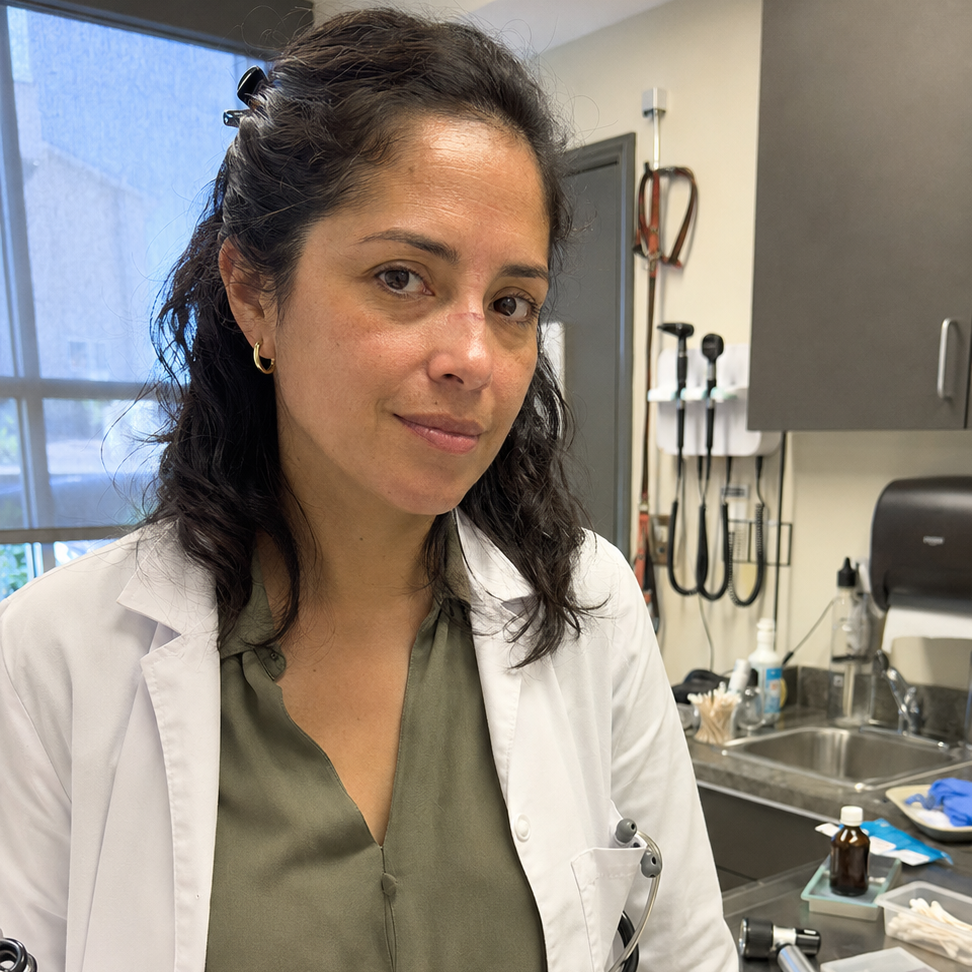
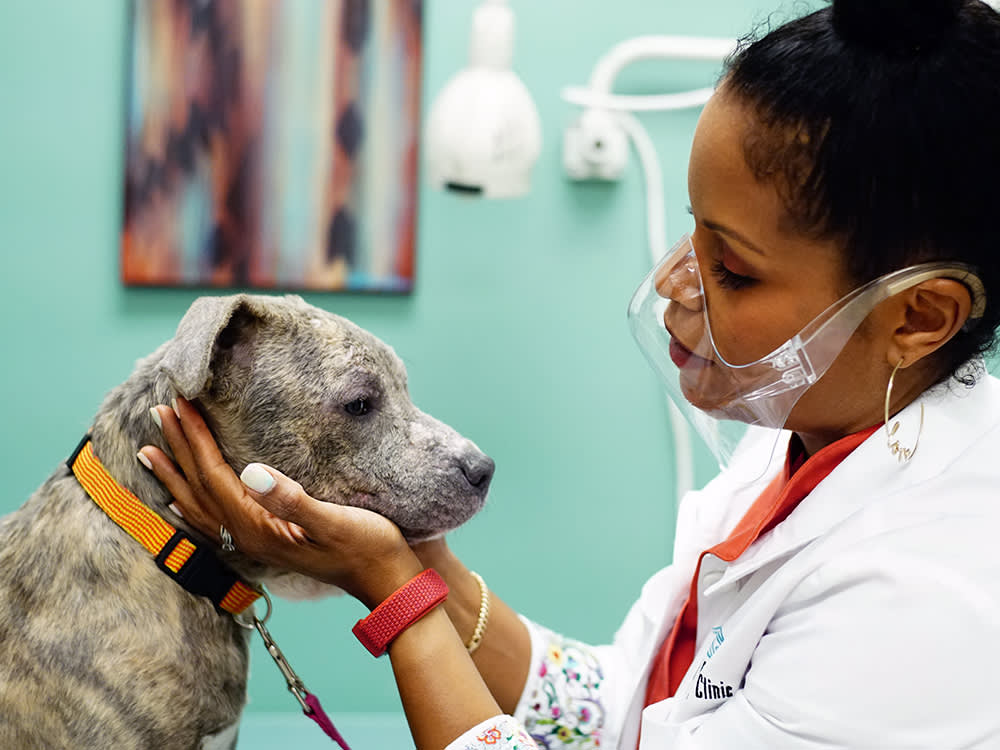
Ask most people to name a veterinary specialty and they’ll land on surgery, or maybe the ER. Almost nobody says dermatology. That is a little strange, because a huge share of the dogs sitting in waiting rooms right now are there for their skin: the endless scratching, the smell, the sore that won’t close, the ear infection that keeps coming back. Skin is the most visible organ a dog has, and it is where a surprising amount of their misery lives.
Dr. Joya Griffin has made it her mission to drag that overlooked specialty into the spotlight, gross parts and all. A board-certified veterinary dermatologist based in Kentucky, she headlines the National Geographic series that carries her name, Pop Goes the Vet, streaming on Disney+. The show does for pets roughly what Dr. Pimple Popper did for people, following Griffin and her team as they drain, debride, and slowly heal some genuinely alarming-looking cases. It is not for the squeamish. It is also, quietly, one of the better arguments going for why this specialty matters.
How a peeling, bleeding dog turned into a career
Griffin didn’t set out to become a skin vet, because like almost everyone else she didn’t know the job existed. What changed her mind was a family dog. Her father brought home a new puppy around the time she was leaving for Cornell, and the dog’s skin was in a terrible state: raw, flaking, bleeding, and foul-smelling. Local clinics couldn’t crack it. A referral to a veterinary dermatologist did, and fast. The transformation, coat regrown, smell gone, a comfortable animal handed back to the family, is the moment she points to as the start of everything.
That before-and-after is the whole appeal of the specialty for her, and it is also why it works on camera. A soft-tissue surgeon can pull a mass and the dog trots out days later looking fine. Skin doesn’t move that quickly. It heals over weeks and months, which makes it harder to film but far more dramatic when the payoff finally arrives: a dog that came in hairless and covered in sores walking out looking, and feeling, like itself again.
What a dermatologist actually treats
The popping and the mass removals get the clicks, but they are a sliver of the real workload. By a wide margin, the most common thing a veterinary dermatologist sees is allergic skin disease, especially canine atopic dermatitis, the itch-driven allergy to environmental triggers like pollens, molds, and dust mites.
The frustrating part, for owners, is the timeline. Atopic dermatitis usually doesn’t announce itself in puppyhood. Signs tend to surface once a dog is a few years old, and they are easy to misread at first:
- Constant licking, chewing, or scratching, often focused on the paws, belly, face, and armpits
- Recurring ear infections that clear up on antibiotics and then return
- Red, inflamed, or darkened skin, sometimes with a yeasty smell
- Hair loss and open sores in the spots a dog can’t stop worrying at
A regular family vet can and should manage the early rounds, treating the infections and knocking down the itch. The signal that it’s time for a specialist is when that stops working: the dog keeps relapsing, the sores and hair loss aren’t resolving, or you’re cycling through the same fixes with no lasting result.
By the time a dog reaches me, the family has usually spent months, and often a lot of money, chasing an itch that keeps coming back. That’s not a failure on anyone’s part. It just means the problem is deeper than a single infection, and it needs a plan aimed at the allergy underneath rather than the flare on top.
The part that makes it worth the trip
What a dermatologist brings is a toolkit built for exactly this problem. Intradermal or blood allergy testing can identify a specific dog’s triggers, which opens the door to allergen-specific immunotherapy, essentially allergy shots or drops that retrain the immune system over time. On the medication side, the field has changed a lot in the last decade. Targeted anti-itch drugs like oclacitinib (Apoquel) and the antibody injection lotilaner-era biologics such as Cytopoint can control the itch far more precisely than the old approach of long courses of steroids, with fewer of the side effects.
None of it is instant, and none of it is cheap, which is the honest caveat Griffin folds into her on-screen humor. A lot of families arrive drained, financially and emotionally, having already tried everything. Part of the job is lightening the mood enough for a scared owner to trust the plan, because the plan usually takes months to prove itself.
What’s new since this was written
Pop Goes the Vet has kept going. A second run of episodes has landed on the platform, and the show continues to stream on Disney+, with no formal word yet on whether more is coming. Griffin has said she’d love another season; for now the existing episodes are still finding new viewers.
Beyond the show, the treatment side keeps moving in owners’ favor. Newer long-acting anti-itch injections and expanded immunotherapy options mean that a dog diagnosed with allergies today has a genuinely better shot at steady, year-round comfort than one diagnosed even five years ago. The takeaway hasn’t changed, though: if your dog’s itch keeps outrunning your regular vet, a dermatologist is not an exotic luxury. It’s the specialist built for the exact problem you’re stuck on.
References
- American College of Veterinary Dermatology. “What Is a Veterinary Dermatologist?” acvd.org
- Merck Veterinary Manual. “Atopic Dermatitis in Dogs.” merckvetmanual.com
- American Kennel Club. “Apoquel and Cytopoint: Newer Treatments for Dog Allergies.” akc.org
- National Geographic. “Pop Goes the Vet With Dr. Joya.” natgeotv.com
Not a substitute for your vet. Our guidance is educational. For urgent symptoms, contact a vet or emergency clinic right away. Editorial standards
Dr. Solis is a board-certified veterinary dermatologist with over twelve years of clinical experience. She advises on skin conditions, allergies, and grooming practices that affect coat and skin health. All dermatology and allergy content at The Pet Times is reviewed by her team before publication.
Meet our experts ↗Keep reading
 Health & WellnessYou Can't Cure Dog Allergies. Here's What Actually Stops the Itch.Dr. Amara Solis · 12 min
 Health & WellnessWhat Bit My Dog? Read the Map Before You Reach for the CreamDr. Lena Park · 7 min
 Health & WellnessPaw Chewing Is a Loop, Not a Habit. Breaking It Takes Two Moves.Dr. Amara Solis · 8 min
 Health & WellnessYour Dog's Itch Is a Symptom, Not a Diagnosis. 13 Culprits, Sorted 4 WaysDr. Priya Nair · 7 min
 Health & WellnessYour Dog's Skin Is Turning Gray or Black. It's Trying to Tell You Something.Dr. Priya Nair · 7 min
 Health & WellnessYour Dog's Paw Licking Is a Symptom. Investigate It in This OrderDr. Priya Nair · 11 min