


Most 'Natural' Fly Repellents for Dogs Are Useless or Toxic. Here's What Isn't.
The internet is full of essential-oil fly hacks, and some of them can poison your dog. The unglamorous truth about keeping flies off your dog: boring yard work plus a couple of vet-approved products actually do the job.

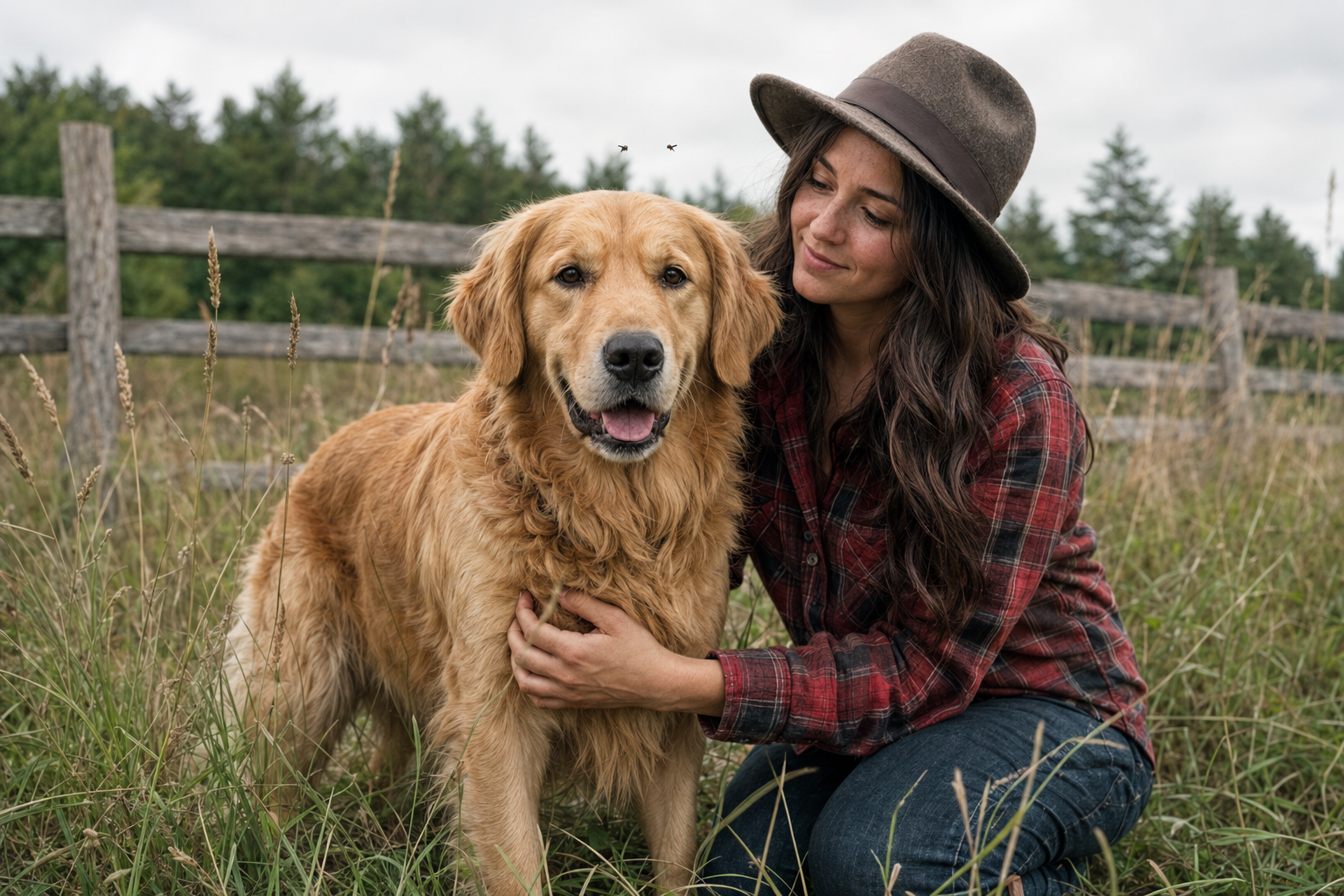
Every summer the same scene plays out: you step into the yard and a cloud of flies immediately homes in on your dog, dive-bombing his eyes and ears while he shakes his head in misery. So you go looking for a fix, and the internet hands you a hundred of them, essential-oil sprays, apple cider vinegar, homemade concoctions, most with confident claims and almost none with evidence. Some are simply useless. A few can actually hurt your dog.
Here’s the honest version. Keeping flies off a dog is far less about a magic repellent and far more about the boring stuff, environmental control, plus a short list of products that vets actually trust. The exciting-sounding “natural” hacks are mostly where people waste money or, worse, poison their pets. Let’s separate what works from what harms.
Why flies target your dog
Why some dogs (and some people) get mobbed while others are left alone is genuinely a bit of a mystery. There’s been speculation about blood type attracting insects, and personal odor and skin microbiome seem to play a role too. What’s clear is that both biting and non-biting flies feed on dogs, so they’re eager to hop aboard the moment your dog heads outside.
The two types bother a dog differently. Biting flies pierce the skin to feed on blood, which hurts. Non-biting flies don’t cause pain but swarm to feed on the secretions around a dog’s eyes, nose, and mouth, which is maddening. Either way, flies can turn outdoor time into torment, and although it’s uncommon, flies have been documented carrying diseases that can pass to dogs, which is one more reason not to just shrug them off.
The unglamorous stuff that actually works
Because flies are part of the ecosystem and won’t be wiped out, the realistic goal is reducing your dog’s exposure, and most of the wins come from managing the environment.
Time walks away from dawn and dusk. Flies are most active in the early morning and evening, so if it’s safe, aim walks for the sunnier middle of the day when flies are quieter. Obvious caveat: on a scorching midsummer afternoon, heat is the bigger danger, so use judgment.
Kill the standing water. Low spots in the lawn, clogged gutters, empty flowerpots, and bird baths all breed flies. If your dog gets swarmed every time they hit the yard, hunt down and eliminate these breeding sites.
Pick up poop immediately. Flies love feces as both a food source and a nursery for larvae. Scooping every time your dog goes, tedious as it is, meaningfully cuts the local fly population.
Secure the trash. Garbage is a fly magnet. Bag your trash, keep it in a bin with a tight lid, and site the cans away from wherever your dog hangs out.
Bathe and groom regularly. Flies are drawn to organic debris, so a dirty dog is a bigger target, especially long-haired dogs prone to eye gunk or waste stuck in their coat. Regular grooming is good practice anyway and helps keep flies disinterested.
Wash the bedding. Bedding collects the exact debris flies like, so keeping it fresh helps, particularly for any bedding kept outdoors.
Use the wind. Flies struggle in a stiff breeze, so a windy day is a good excuse for a longer walk (just watch for flying debris if it’s really gusty).
The repellents worth considering
When environmental control isn’t enough, a few products genuinely help, but check with your vet first, because the right choice depends on the insects in your area and your dog’s health.
Pyrethrin and pyrethroids. These are the most effective options and show up in some spot-on flea-and-tick medications and topical ointments. Pyrethrin is extracted from chrysanthemum flowers, so it’s technically a plant-derived repellent; pyrethroids are synthetic cousins engineered to last longer. For flies feeding on a dog’s ear tips, an ointment containing these is usually your best bet.
A fan. If your dog lounges on a covered porch or patio, an outdoor fan can create enough breeze to make flies give up and move on, provided your dog likes the breezy spot.
Fly traps. Sticky traps and one-way container traps work well in enclosed spaces and can catch an impressive number of flies, but they don’t meaningfully lower the fly population across an open yard.
Petroleum jelly. Not a repellent, but a barrier. A thin layer of Vaseline on the tips of the ears can physically block biting flies from feeding there, which helps some dogs a lot.
Whatever you choose, run it past your vet before applying anything new, even a topical, so you avoid interactions or problems with your dog’s specific health situation.
The critical warning the dog guides often skip: cats
If you share your home with a cat, this matters enormously. Pyrethrin and especially pyrethroid products (permethrin is the common one) are highly toxic to cats, who can’t metabolize them the way dogs do. A dog wearing a fresh permethrin spot-on can poison a cat that grooms or cuddles them, and cats have died from owners applying dog flea products to them by mistake. Never use a dog’s pyrethroid product on a cat, keep treated dogs separated from cats until the product is fully dry, and if you’re a multi-pet household, tell your vet so they can steer you to a cat-safe plan.
What not to do
Some of the most popular online advice is where dogs get hurt.
Skip the essential oils. Many topical essential-oil products are marketed as insect repellents with little data behind them. Diluted neem oil has shown some promise against sand flies, but no safe topical dose has been established for dogs. Worse, plant-derived “natural” flea and insect products are often exempt from EPA regulation and have caused real toxicity in dogs and cats, skin irritation, neurological effects, and stomach upset. “Natural” does not mean harmless, and these oils turn up frequently in poisoning cases, so it’s better to avoid them when safer options exist.
Don’t blanket your lawn in pesticides. Broadcast lawn pesticides can harm dogs, and flies are ultimately an environmental problem. Leave large-scale outdoor insect control to your city or county.
Don’t reach for DEET. DEET is a very effective repellent for humans, but it can cause neurological problems in dogs, and veterinary toxicologists specifically advise against DEET products for them.
The risk that makes all of this worth doing
There’s a reason to take fly control seriously beyond your dog’s comfort. Flies laying eggs on a dog, especially in soiled fur, skin folds, or an open wound, can lead to fly-strike (myiasis), where maggots infest the skin. It’s most common in dogs who are elderly, overweight, incontinent, long-coated, or unable to groom themselves, and it can turn serious fast. Keeping the coat clean, the rear end tidy, and any wounds covered and treated isn’t just about swatting away a nuisance; it heads off a genuinely dangerous problem. And it’s worth knowing that the modern isoxazoline flea-and-tick chews that protect against fleas and ticks don’t repel flies, so don’t assume your dog is covered just because they’re on a preventive.
The saddest fly cases I see are entirely preventable, a dog with maggots in a matted, soiled coat, or a cat poisoned by a dog’s flea product. The prevention is unglamorous but it works: clean up the yard and the poop, keep the coat and skin clean, and use only a vet-approved repellent, never a random oil off the internet. And in any home with a cat, treat pyrethroid products like the serious drugs they are.
Bottom line
Flies are everywhere and you won’t eliminate them, but you can make your dog a much less appealing target. Cut their breeding grounds in the yard, keep your dog clean, and layer on a vet-approved topical where needed, while steering clear of the essential-oil hacks, DEET, and any dog product near a cat. The best fly plan is boring, and boring is exactly what keeps your dog comfortable and safe.
References
- Genovese, Allison G., et al. “Adverse reactions from essential oil-containing natural flea products exempted from Environmental Protection Agency regulations in dogs and cats.” Journal of Veterinary Emergency and Critical Care, vol. 22, no. 4, 2012, pp. 470-475.
- Hendrix, Charles M. “Flies and Mosquitoes of Dogs.” MSD Veterinary Manual, 2025.
- Hassan, Hassan K., et al. “Isolation of Onchocerca lupi in Dogs and Black Flies, California, USA.” Emerging Infectious Diseases, vol. 21, no. 5, 2015, pp. 789-796.
- Roe, Chandler C., et al. “Biting midges (Diptera: Ceratopogonidae) as putative vectors of zoonotic Onchocerca lupi in northern Arizona and New Mexico.” Frontiers in Veterinary Science, vol. 10, 2023.
- Pet Poison Helpline. “Permethrin/Pyrethroid Toxicity in Cats.” petpoisonhelpline.com.
Not a substitute for your vet. Our guidance is educational. For urgent symptoms, contact a vet or emergency clinic right away. Editorial standards
Dr. Solis is a board-certified veterinary dermatologist with over twelve years of clinical experience. She advises on skin conditions, allergies, and grooming practices that affect coat and skin health. All dermatology and allergy content at The Pet Times is reviewed by her team before publication.
Meet our experts ↗Keep reading
 Health & WellnessYour Dog Broke Out in Hives. The Bumps Aren't the Scary PartDr. Ravi Mehta · 6 min
 Health & Wellness'Natural' Dog Shampoo Isn't a Safety Claim. Nobody Is Checking.Dr. Priya Nair · 7 min
 Health & WellnessThe Fleas on Your Dog Are 5% of the Problem. The Rest Is in Your CarpetDr. Ravi Mehta · 10 min
 Health & WellnessBenadryl for Dogs: Great for a Bee Sting, Overrated for Everyday ItchDr. Ravi Mehta · 10 min
 Health & WellnessRingworm in Dogs Isn't a Worm. And Half the Cure Happens at HomeDr. Priya Nair · 7 min
 Health & WellnessPink-Nosed Dogs Sunburn. So Do Black Labs, Just Differently.Dr. Lena Park · 8 min