


10 Memorial Day Hazards an ER Vet Sees Every Single Year
The long weekend's emergencies are almost all preventable: panic escapes, hot-pavement burns, grill raids, and pool trouble. An emergency vet's field guide to not spending your holiday in the waiting room.

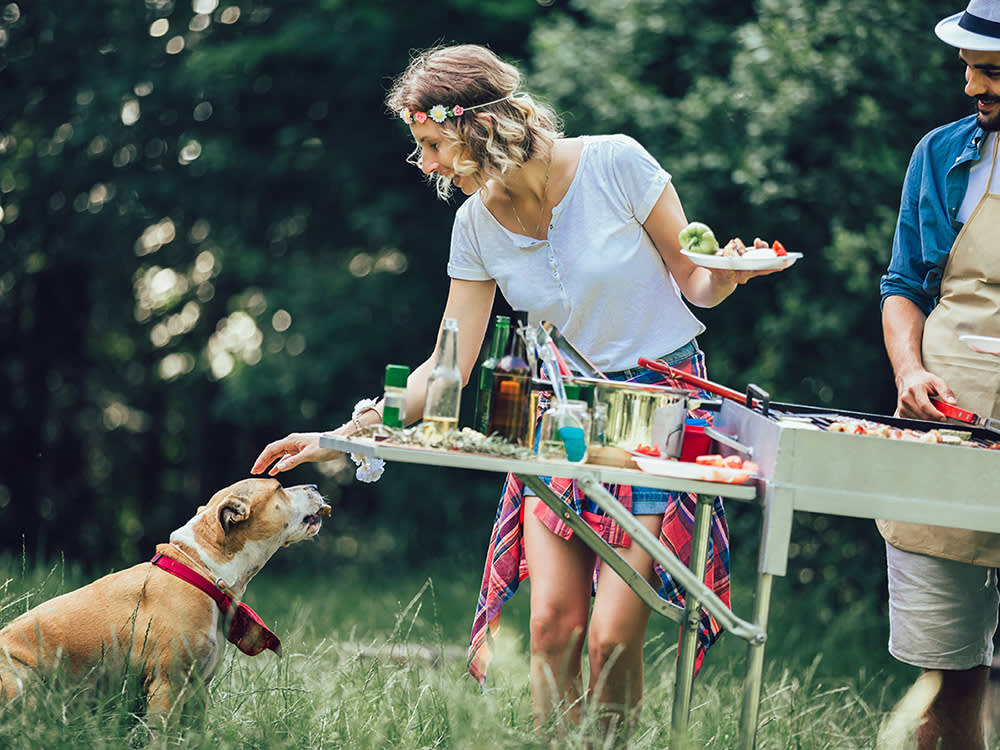
Memorial Day is the day summer clocks in early: grills fire up, pools open, parades roll, and the sun finally sticks around. It is also, from inside an emergency clinic, one of the most predictable trauma days on the calendar. The cases repeat like a playlist, and they share a theme. Almost none of them are freak accidents. They are a panicked animal plus an ordinary hazard nobody thought to move out of reach.
The good news buried in that pattern: predictable means preventable. Here are the ten ways the long weekend lands pets in the ER, grouped the way they actually happen, with the one move that heads each one off.
The saddest cases I see on a holiday aren’t bad luck, they’re a scared dog and an open gate, or a countertop nobody cleared. Spend ten minutes the morning before setting things up, and you’ve prevented most of what would otherwise walk through my door that night.
The panic problems: noise, crowds, and the escape
1. The firework bolt. People associate fireworks with the Fourth of July, but plenty go off around Memorial Day gatherings, and a startled dog’s first instinct is to run. This is behind the worst injuries of the weekend: dogs who crash through glass, leap from balconies, or dart into traffic trying to outrun a sound. The fix is unglamorous and it works: keep pets inside, away from the noise and away from any open door or gate. If you’re headed to a party, leave your dog home rather than bringing them into the chaos. Close the curtains and turn on the TV or some music to blunt the sights and sounds leaking in from outside.
2. The unregistered microchip. Plan for the escape you’re trying to prevent. A microchipped pet is, by the common estimate, several times more likely to be reunited with their family, so make sure your dog wears a collar and current ID tag, and that the chip itself is registered with your name, address, and phone number up to date. This is the step people skip: a chip does nothing if the contact info attached to it is three moves and two phone numbers old. And remember what a chip is not, it’s not a GPS tracker. It only helps once someone finds your pet and gets them scanned at a clinic or shelter, so a separate GPS collar is a reasonable add if your dog is a known escape artist.
3. The crate-panic injury. Confined, anxious dogs try to chew their way calm, so a stressed dog left with the wrong setup can hurt themselves badly. In the clinic that looks like split toenails from digging at crate doors, and at the worse end, fractured teeth and mouth wounds from biting the bars. A crate can be a genuine safe haven, but only if your dog is already comfortable in it, never introduce a crate for the very first time during a loud, chaotic holiday, and don’t leave any dog shut in one for long stretches. Give a nervous dog a job instead: a food puzzle or a stuffed, frozen rubber toy buys real calm without the hardware store’s worth of hazards.
The heat cluster: sun, pavement, and water
4. Heatstroke. With the sun back and temperatures climbing, overheating turns dangerous fast. Keep cold water and shade available, don’t leave your dog baking in the sun, and know the warning signs: heavy panting or drooling, a racing heart, and a tongue that’s gone bright red or purple. Flat-faced breeds like Bulldogs and Pugs are at the highest risk, because their short muzzles make panting, a dog’s built-in air conditioning, far less effective, and they may wobble or vomit as they overheat. If you see these signs, move your dog into air conditioning and drape them in cool, wet towels immediately, then get to an ER vet, because heatstroke can be fatal, especially in those breeds.
5. Scorched paws (the hazard right under their feet). Here’s the one that isn’t on most holiday lists and should be. Asphalt and pavement in direct summer sun can climb far hotter than the air, hot enough to blister paw pads in under a minute. A useful check before a midday walk: press the back of your hand flat to the pavement and hold it there. If you can’t keep it there for seven seconds, it’s too hot for your dog’s feet. Walk early or late, stick to grass and shade, and if the ground fails the test, skip the walk. Pad burns are painful, slow to heal, and completely avoidable.
6. Water, from the pool to the pond. No matter how confident your dog’s paddle looks, water carries hidden risks worth respecting on a hot holiday. Open water has its own dangers, from toxic blue-green algae blooms in ponds and lakes to rip currents in the ocean. Your own backyard is not automatically safe either: dogs who gulp water while swimming or biting at a hose can develop water intoxication, sometimes called dry drowning, which is a genuine emergency. If your dog is going in, a dog life jacket adds real peace of mind and supervision is non-negotiable. And keep pool chemicals locked away, a little chlorinated pool water is usually fine, but concentrated chlorine tablets are poisonous.
The chemistry problems: the grill, the bug spray, the matches
7. The grill raid. Those pleading eyes are lying to you. Table scraps off the grill are a fast track to the ER: cooked bones can splinter, corn cobs lodge in the gut, and both are prime choking and obstruction risks, while rich, fatty holiday food can trigger pancreatitis, a nasty gut inflammation, or a blockage that needs emergency surgery. Keep garbage bags sealed and out of reach, since a raided trash can is often the real culprit. And never, ever let a dog near beer, hops are toxic to dogs and can cause a dangerous spike in body temperature, vomiting, abnormal clotting, and in severe cases coma or death.
8. Bug spray and sunscreen. Reach for products made specifically for animals, and keep the human stuff off your pet. Insect repellents containing DEET can cause neurological problems in dogs, and swallowing human sunscreen can leave a dog vomiting, drooling, parched with thirst, lethargic, and running a bout of diarrhea. Products like citronella candles, mosquito coils, and oil-based repellents can also irritate a dog’s stomach and, in enough quantity, depress the nervous system. If you want protection that’s safe around pets, look for a plant-based, pet-safe repellent brand such as Wondercide.
9. Matches and lighter fluid. It sounds obvious until it isn’t. Lighter fluid irritates skin and, if swallowed, upsets the stomach and gut, and if inhaled it can cause aspiration pneumonia. Some matches contain chlorates that can damage red blood cells and lead to labored breathing or kidney trouble in severe cases. Once the grill is lit, put all of it away somewhere your dog can’t reach.
The plan that ties it together
10. A calming strategy set up in advance. If you already know your dog falls apart around fireworks and crowds, don’t wait until the sky is booming to scramble for a fix. Some pets do well on situational, as-needed anti-anxiety medication, and the time to arrange it is a week ahead: book a vet visit so your dog can be examined and, if appropriate, sent home with something like trazodone for dogs or a product such as Feliway for cats. A pressure wrap like a Thundershirt helps some dogs take the edge off the noise. The whole point is to have the plan in hand before the loud night arrives, not during it.
The bottom line
Run down this list once before the weekend and you’ve defused nearly every case an emergency vet will see over the holiday. Keep your dog inside and secured against the bolt, respect the heat and the pavement, lock down the grill and the chemicals, and set up a calming plan ahead of time. Do that, and the only thing you’ll have to sweat is whether the burgers are done. If your pet does show signs of heatstroke, poisoning, choking, or a bad reaction, don’t wait it out, call your vet or an emergency clinic right away.
Not a substitute for your vet. Our guidance is educational. For urgent symptoms, contact a vet or emergency clinic right away. Editorial standards
Dr. Solis is a board-certified veterinary dermatologist with over twelve years of clinical experience. She advises on skin conditions, allergies, and grooming practices that affect coat and skin health. All dermatology and allergy content at The Pet Times is reviewed by her team before publication.
Meet our experts ↗Keep reading
 Health & WellnessPut Down the Neosporin. Your Dog Is Just Going to Eat It.Dr. Ravi Mehta · 7 min
 Health & WellnessThe Summer Weed That Burrows Into Your Dog and Doesn't StopDr. Ravi Mehta · 8 min
 Health & WellnessEvery Second You Spend on Snakebite First Aid Is a Second Your Dog Is DyingDr. Ravi Mehta · 8 min
 Health & WellnessYour Dog Scavenges on Walks. That Napkin Could Be Cocaine.Dr. Lena Park · 5 min
 Health & WellnessWhen Your Dog Chokes, Your First Instinct Is the Wrong OneDr. Ravi Mehta · 6 min
 Health & WellnessYour Dog Is Not a Carbon Monoxide Detector. Don't Treat Them Like One.Dr. Priya Nair · 6 min