Every year, the Puppy Bowl does one genuinely sneaky thing. Under the cover of being the cutest two hours on television, it puts dogs that shelters quietly worry will never get adopted onto a national stage and dares the country to find them anything less than adorable. The country never can.
Puppy Bowl XIX fielded a record roster, more than 100 dogs from dozens of shelters, all of them rescues. Eleven of those players were dogs with special needs: missing limbs, deafness, one eye, a cleft palate. In shelter shorthand, these are the dogs filed under “less adoptable,” a category that determines which animals languish and which get a fast track to a home. The eleven dogs below are the best argument anyone has made that the category is broken.
What “less adoptable” actually means
“Less adoptable” is not a medical assessment. It is a prediction about human behavior. Shelters apply it to dogs that are older, black-coated, blocky-headed, or living with a visible disability, because data and hard experience tell them those dogs sit in kennels longer. A deaf puppy is not harder to love than a hearing one. It is harder to place, because adopters walk past it.
That gap, between how adoptable a dog is and how adoptable people assume it is, is the whole point of putting these eleven on TV. A deaf Dalmatian scoring a touchdown on Animal Planet rewrites the assumption faster than any adoption flyer can.
It helps to know going in that most of these “challenges” are smaller than they sound. Deaf dogs learn hand signals as readily as hearing dogs learn voice cues. Three-legged dogs run, jump, and wear out their families just fine. A dog with one eye navigates a home without a second thought. The accommodation an adopter actually signs up for is usually modest, and the dog rarely seems to notice the thing we’re so worried about.
Team Ruff
Bea / ARF Beacon. Bea is deaf and arrived at ARF Beacon alongside her sister. With each other for support, the two blossomed into social butterflies, which is exactly how deafness tends to go in dogs: it shapes how they communicate, not whether they connect.
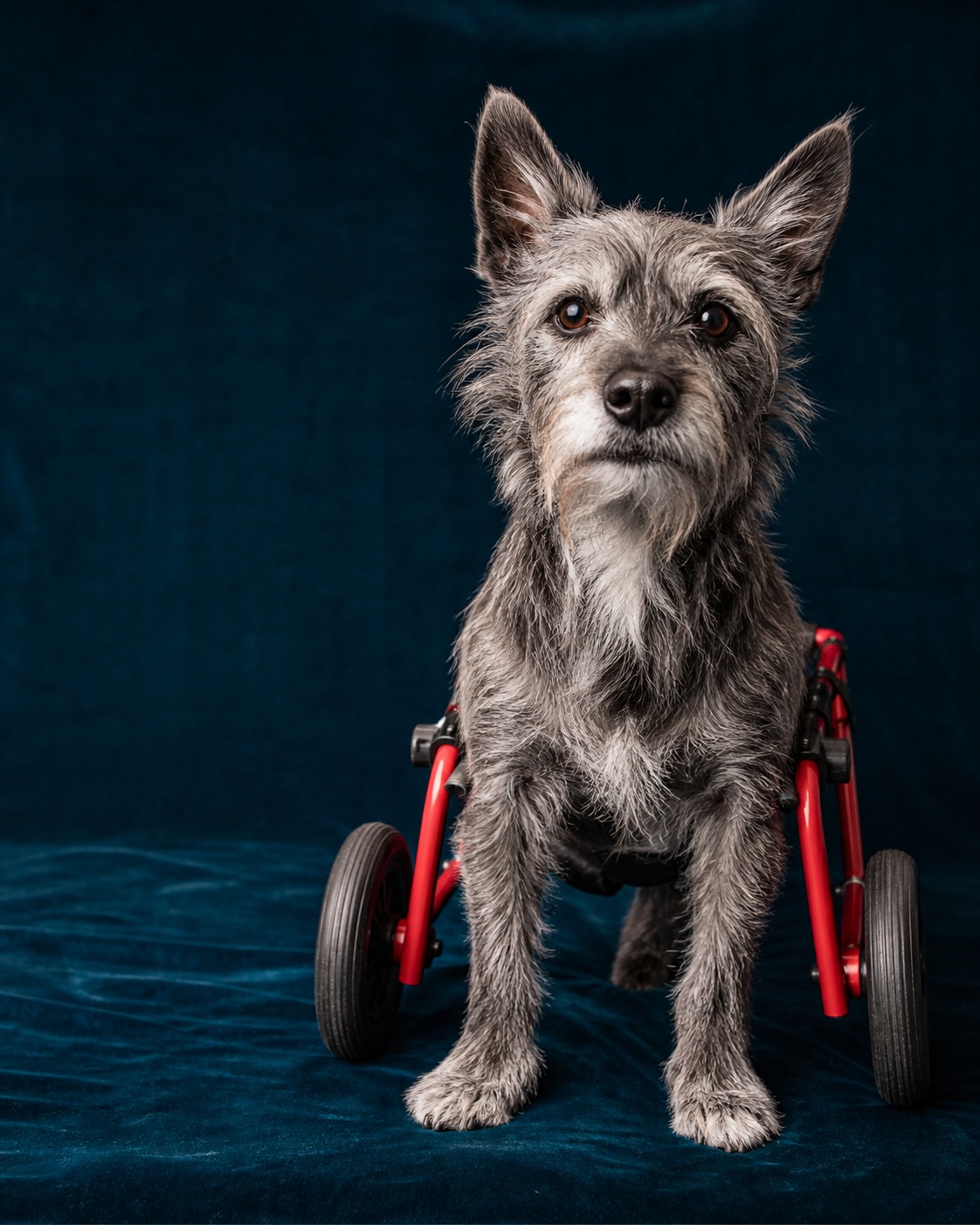
Joey / Vintage Pet Rescue. Joey was born without front legs. He loves playing with fellow special-needs pups and, his caretakers say, makes everyone around him smile. Dogs born with a difference never grieve a body they never had; Joey simply moves the way Joey moves.
Julius / Green Dogs Unleashed. Julius was born with hearing loss and trains alongside his friend Hank, a deaf Dalmatian who has competed in the Puppy Bowl before. Pairing a new deaf dog with an experienced one is a real rescue strategy, not a coincidence.
Kayden / Green Dogs Unleashed. Kayden is partially deaf and famous around his rescue for a relentlessly joyful personality, the trait that actually predicts a happy adoption.
Little Mighty / Indy Humane. Little Mighty lost his leg to a break his original owner couldn’t afford to treat, and was surrendered to Indy Humane. The disability here is downstream of an economic problem, a reminder that “special needs” often starts with a person who ran out of options, not a dog who did anything wrong.
Mini / Rescue Dogs Rock. Mini lost a leg as a puppy. She’s tiny; her personality is not.
Mykonos / Bosley’s Place. Mykonos was surrendered by her breeder when her cleft palate kept her from nursing. She learned to eat and drink at the rescue and grew into an active athlete. Cleft palates are manageable with feeding support early on, after which most dogs live completely ordinary lives.
Team Fluff
Cheeky Tinker / Green Dogs Unleashed. Cheeky Tinker was born with a hearing impairment and is acing his behavioral training, which is the quiet rebuttal to the idea that deaf dogs are hard to teach.
Clover / Rescue Dogs Rock. Clover has a fused front leg and narrowly avoided being euthanized by her original owner before Rescue Dogs Rock stepped in. She is now a playful, happy dog, and the starkest example on this roster of how thin the line can be between “unadoptable” and “thriving.”
Marmalade / Double J Dog Ranch. Marmalade has hearing loss and broke part of her jaw in a fall. She made a full recovery and is a confident, loving pup.
Stardust / Danbury Animal Welfare Society. Stardust has one eye, a fiercely competitive streak, and a deep love of fetch, none of which appear to be connected to the missing eye.
If one of them changed your mind
That is the Puppy Bowl working as designed. If you are now wondering whether a deaf or three-legged dog could fit your life, the honest answer is that it almost certainly could, and that the dogs waiting in shelters for that realization vastly outnumber the eleven who got a TV spot. Ask your local rescue specifically about their “special needs” or “long-stay” animals. Those are the dogs the label has been working against, and they are exactly the ones a single open mind can spring loose.
Puppy Bowl XIX aired Sunday, February 12 at 2 p.m. EST on Animal Planet.
References
- ASPCA, “Pet Statistics: Shelter Intake and Surrender”
- Animal Planet, “Puppy Bowl XIX”