


This Brand Refuses to Call Its Dog Toys 'Toys.' Here's Why That's Not Just Marketing.
Lambwolf Collective started with a stray puppy, a sewing machine, and a lockdown. Its founder's insistence on 'play objects' turns out to be a real design philosophy, not a gimmick.

Browse the Lambwolf Collective website and you will notice something missing: the word “toy.” Its founder, Ang Wong, almost never uses it, calling her products “play objects” instead. It is the kind of phrasing that sounds like a marketing flourish, the sort of thing you roll your eyes at. Spend a few minutes with the story behind the brand, though, and the distinction turns out to be the whole point, and the reason the products actually work.
A brand born from a stray puppy and a lockdown
Wong’s origin story is very 2020. She had walked away from a high-paying corporate job in New York City, chasing personal happiness over salary, right before the pandemic shut the world down. The timing was brutal; she found herself with no job and, as she has described it, stuck in a dark hole with nothing to do and a terrible moment to start anything new.
Then a Jindo puppy, barely seven weeks old, turned up on her doorstep looking for food. After exhausting every channel to be sure the stray had not already been adopted, Wong took her in and named her Mia, the Italian word for “mine.” Not much of a dog person before, and unsure what to even buy, Wong leaned on her background in art and design and started making things. The first “toys” were improvised: treats knotted inside a towel to make a puzzle. When she got tired of sacrificing her bath cloths, she bought fabric and pulled out a sewing machine. Those homemade experiments became the prototypes for what Lambwolf sells today.
The products, and why they are built the way they are
Each Lambwolf item is designed by hand and traces back to that original DIY spirit. The signature is Nou, a twisty rope-style piece that looks like a cross between a heavy camping knot and a modern sculpture. It hides four squeakers to keep a dog hunting, with plenty of room to stuff treats, and it is made of soft corduroy that is gentle on mouths and gums, with double-stitched seams to stand up to enthusiastic chewers.
From there the line leans playful and food-inspired. The Butternut is a crinkly snuffle-mat-style piece shaped like its vegetable namesake, with room for treats and a concealed soft squeaker ball. There are pumpkin, corn, and fish versions of the snuffle gear, and, for big dogs with a sense of humor, a baguette edition with four treat-fillable creases along the top. Underneath the whimsy is real construction: human-grade materials, EN71-3 tested fabrics, and ASTM F963-17 certified squeakers and fillings, plus a modular walk-gear system where collars, leashes, and connectors are designed to work together as a kit.
Why “play object” is a design philosophy, not a slogan
Wong’s refusal of the word “toy” comes down to a belief that these things are not just tools for a dog but pieces of the home. She designs them to be genuinely nice to look at, in soft pastels and muted colors that sit comfortably in a modern space rather than an eyesore you shove in a basket when guests arrive. And crucially, she designs them to be enjoyed by both ends of the leash. The brand even lets you build your own play object on its site, combining pieces like Nou into a custom creation, essentially a Build-A-Bear for dogs.
There is a real theory of enrichment tucked inside that aesthetic choice. Wong argues that a dog notices, in an almost magical way, how much their person likes an object, and that shared enjoyment makes the play feel like quality time rather than a hand-off. That instinct lines up with what behavior experts say about enrichment.
“Snuffle and foraging toys tap into a dog’s natural drive to hunt and problem-solve, which is exactly the kind of mental work that tires them out and settles them down,” says Dr. Mara Chen. “And when an owner is engaged in the play instead of just tossing an object across the room, the dog gets both the enrichment and the bond. A well-designed foraging piece delivers both at once.”
A brand that gives back
The participatory ethos extends to checkout. With every purchase, the brand routes a share of the sale to a cause the buyer picks, and the list reaches well beyond animal welfare into environmental, minority, and women’s-rights organizations. The Brooklyn-based, woman-owned brand has steadily broadened its catalog to cover most of what a dog owner needs, from leashes and collars to jackets, sweaters, beds, and treats, while sticking to Wong’s original line: this was never only about dogs, it is about a life shared with them.
What’s new
Lambwolf has grown well past its lockdown-sewing-machine beginnings. It now frames its design around Montessori-style, open-ended play, has formalized the safety testing behind its materials, and has expanded the modular idea from play objects into a full walk-gear kit where the pieces connect as a system. The core Nou range remains the anchor, and the brand’s insistence on treating enrichment gear as home objects, not disposable toys, has become something of a template that other design-forward pet brands now follow.
The bottom line
It is easy to be cynical about a company that renames its dog toys. But Lambwolf earns the semantics. The “play object” idea grew out of a real story and produces genuinely well-made, enrichment-minded gear that a dog enjoys and an owner does not have to hide. Sometimes the marketing language is just an accurate description of the thing.
Marcus Webb writes about the gear, gadgets, and everyday choices that make life with a pet easier. His coverage runs from product picks to training and the causes worth paying attention to, always with an eye on what actually earns a place in your home.
Meet our experts ↗Keep reading
 Product PicksA Pool Toy Fails for Three Reasons. 10 That Don't, Plus the Safety Rule Nobody MentionsNina Vasquez · 6 min
 Product PicksThe 'Indestructible' Toy Is a Lie. 11 That Actually SurviveSara Lim · 14 min
 Product PicksA Pool Float Is a Safety Decision, Not a Photo Op: 10 Picks by Swimming TypeJordan Ellis · 6 min
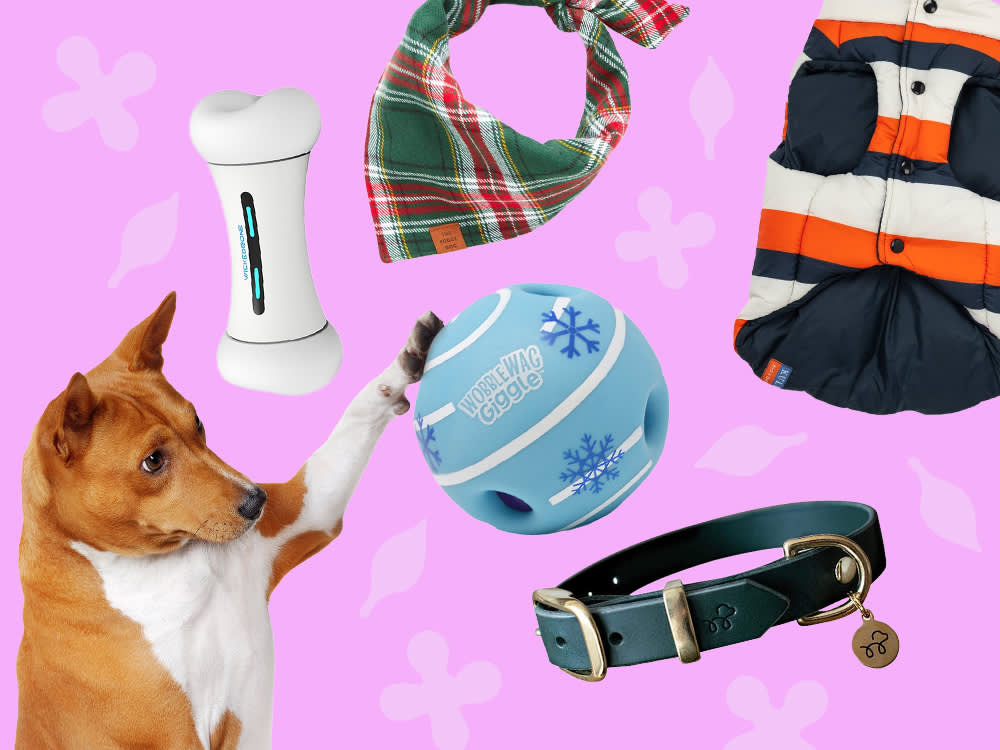 Product Picks12 Holiday Gifts Your Dog Will Actually Use, Not Just UnwrapMarcus Webb · 6 min
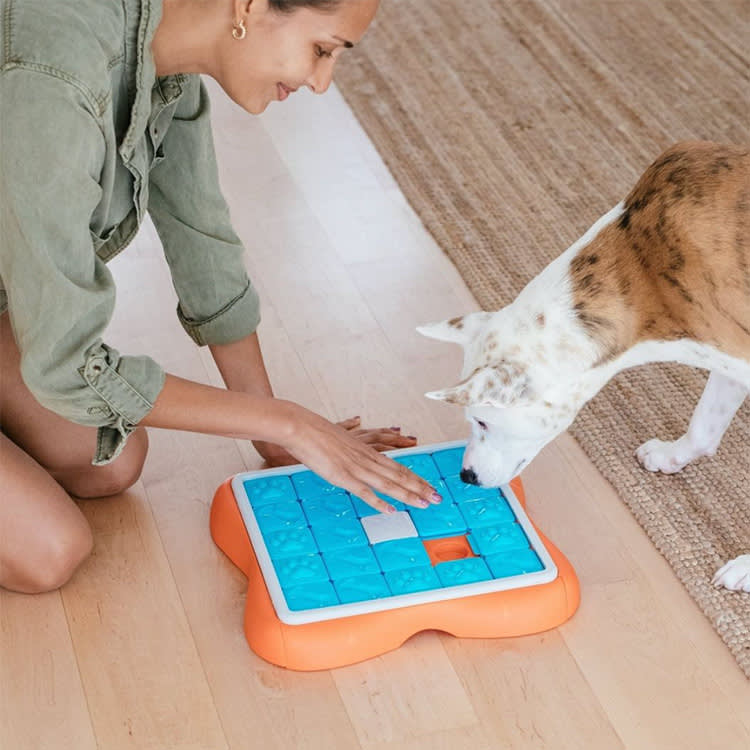 Product PicksYour Dog Isn't Bored. They're Underemployed. 8 Puzzles That Fix It.Tom Hadley · 11 min
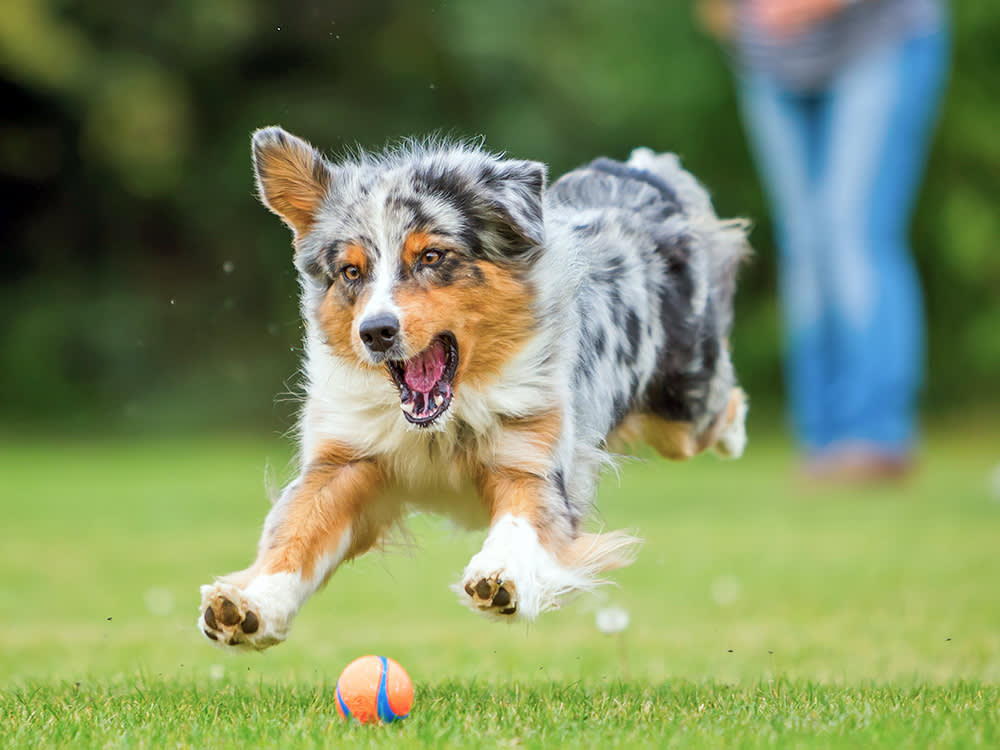 Product Picks6 Automatic Ball Launchers for High-Energy Dogs, Sorted by What MattersMarcus Webb · 11 min