


She Left 12 Years in Finance to Make Dog Beds That Don't Look Like Dog Beds
Devin Shanahan couldn't find a bed that was durable, stylish, and genuinely sustainable, so she built Kingboy on one strict rule: every part, down to the zippers, is at least half recycled.

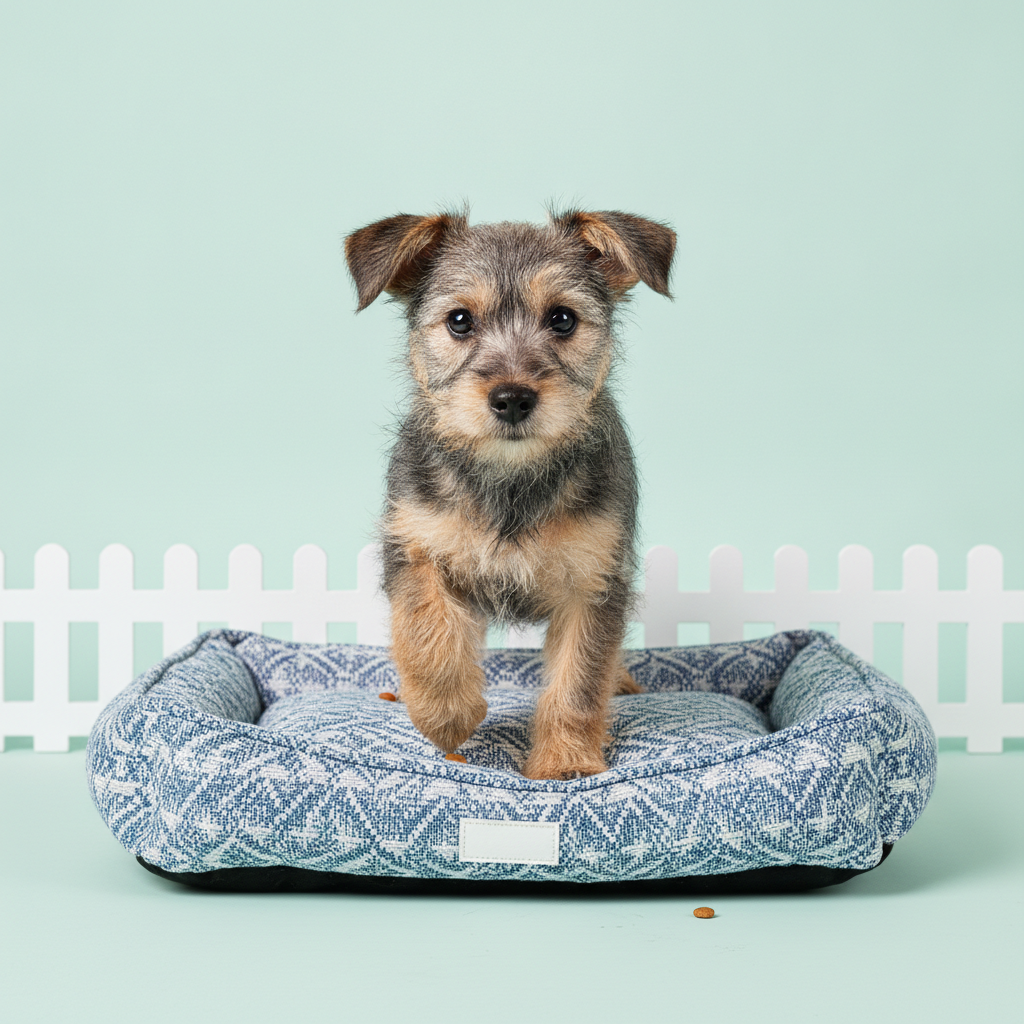
Devin Shanahan’s central belief about dog beds is almost a manifesto: they do not have to be the ugly thing shoved in the corner. For years, that conviction was just a private frustration. She and her husband had three rescues, she loved interior design, and she could never find a bed that was comfortable, durable, and good-looking all at once. After a dozen years in finance, restless and wanting both a creative outlet and a more flexible schedule, she stopped waiting for someone else to make it and started designing her own. Kingboy launched in 2021.
Even the name is personal. It was the household nickname for Rufus, the couple’s 14-year-old Spaniel mix, coined after her husband decided a certain jacket made the dog look like Lorenzo de’ Medici. Regal, in other words, which happens to be Shanahan’s whole thesis about dogs: they’re royalty, and their stuff should look the part.
A recycled-materials rule she refused to fudge
Shanahan wanted the beds to earn a place in a room, chic and durable pieces that add to a space instead of detracting from it, built to resist the pilling, flattening, fading, and mystery odors that doom most dog beds within a few months. She leaned into bold primary colors and geometric patterns, partly because they’re striking and partly because they hide fur and the inevitable stains far better than a beige cushion does.
But the harder goal was sustainability, and this is where a lot of “eco” brands quietly cut corners. Shanahan didn’t want to. Committing to recycled materials, she found, shrinks your pool of suppliers dramatically, and she refused to make claims she couldn’t stand behind. Advertising a bed as recycled while stitching it together with virgin, non-recycled thread struck her as exactly the kind of half-truth she wanted to avoid. So she set a bright line: every component, from the outer fabric to the zippers, had to be at least 50 percent recycled. She also committed to US-based suppliers and manufacturers.
If you’re shopping sustainable pet gear more broadly, that’s a useful standard to borrow. Vague words like “eco” and “green” mean little on their own; what tells you a brand is serious is specificity, a stated recycled percentage, named materials, and transparency about where things are made. Shanahan’s willingness to say “50 percent, including the zippers” is the tell.
Learning to run the whole ship
Researching materials, vetting suppliers, and finalizing prototypes ate up roughly eighteen months before the company was ready to launch, and there were growing pains along the way. The first version of the website is a running joke for her now: she put it live with branding she was convinced was brilliant and later recognized as chaos, so much of her signature “insane and colorful” aesthetic that it buried the products themselves. Coming from finance, where she’d been, in her words, a cog told what to do, she had to teach herself direct-to-consumer retail, social advertising, and SEO more or less by trial and error. Plenty of it, she admits, simply didn’t work at first.
The company is still, largely, a one-woman operation run out of her Tribeca apartment, with occasional help from consultants and her family. Her husband is still in finance; her dogs, Rufus, Rocket, and Fanny, handle quality control. Tellingly, they’re still sleeping on some of the earliest Kingboy prototypes nearly two years on, which is roughly the durability pitch in living form.
Why any of this matters now
Shanahan makes beautiful, long-lasting dog beds because she thinks dogs occupy a bigger place in our lives than ever. She has kids now, but she still identifies with the wave of millennials who delay parenthood, or skip it, because caring for a dog already feels complete. If animals are that woven into our homes, she reasons, their furniture should integrate too, rather than sit in the corner as an eyesore. People used to relegate dogs to the mudroom, she points out, and now almost no one would.
The brand is still growing. She’d like to collaborate with dog influencers and other companies to stretch her creative range. In the meantime, she and her husband are about to foster again, an Afghan Hound, her favorite breed and a tough one to find in rescue. She has, she confesses with a laugh, already decided she wants to keep it. Her husband doesn’t know that yet. Either way, the dog will need a bed, and Shanahan can almost certainly help with that.
Leila Torres leads our Living coverage, from home life and travel to the products and rescue stories that come with sharing a life with animals. She edits and writes across the section, with a soft spot for pieces about the bond between people and their pets.
Meet our experts ↗Keep reading
 Product PicksMost Faux Fur Is Just New Plastic in a Nicer Shape. This Dog Bed Isn't.Sara Lim · 6 min
 LivingYour Dog Has Two Beds Because They Have Two Kinds of SleepDr. Ravi Mehta · 7 min
 Product PicksStore-Bought Dog Beds Are a Racket. Crochet One From Scrap Yarn.Leila Torres · 5 min
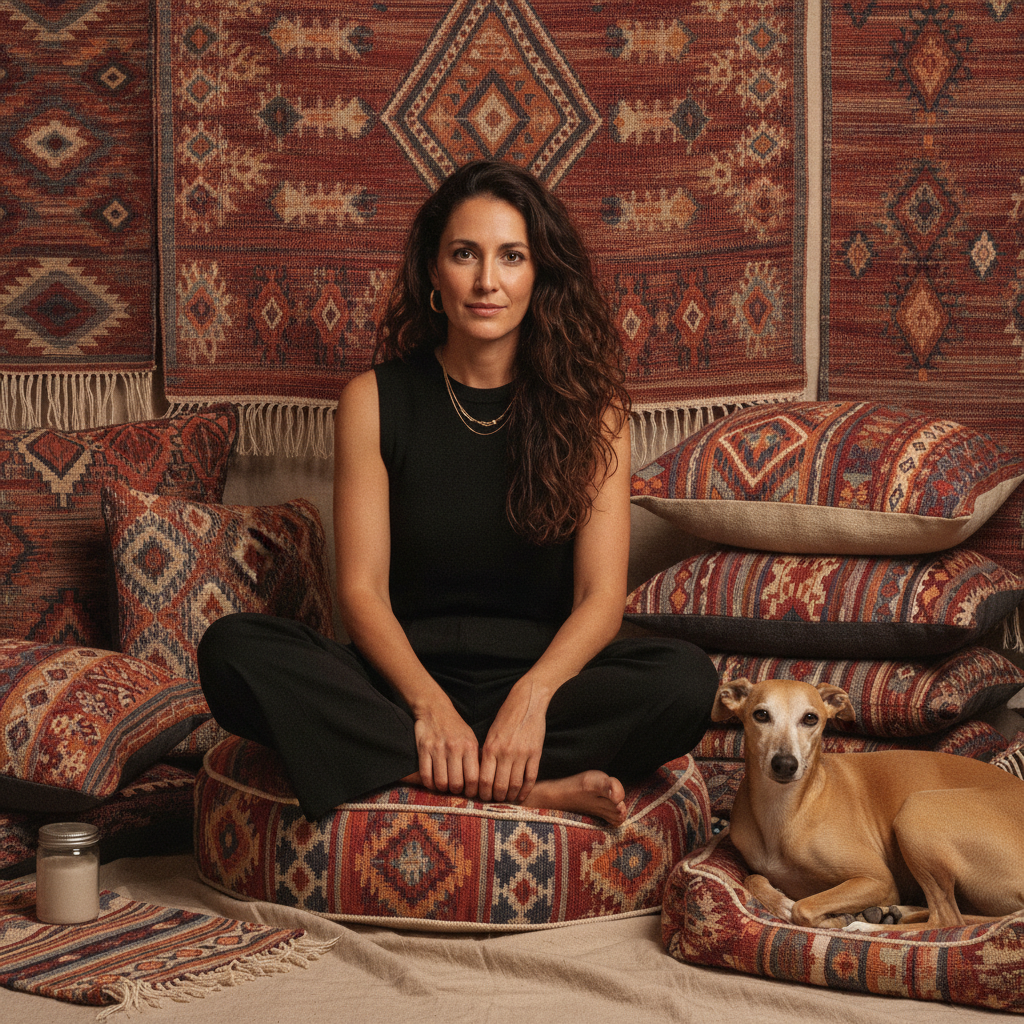 Product PicksThese Dog Beds Are Handwoven by Indian Artisans, Not Stamped Out in a FactorySasha Ford · 4 min
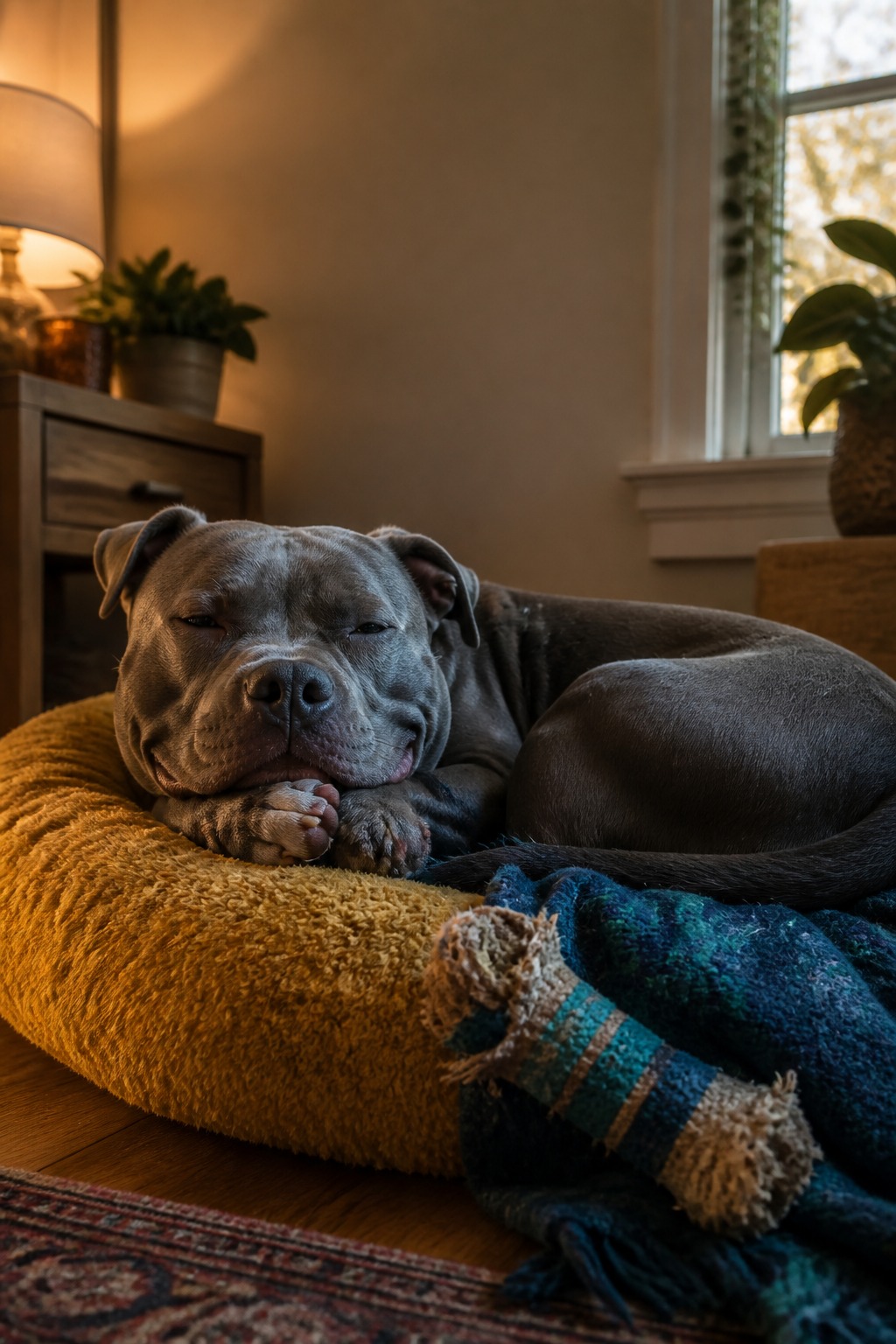 LivingA Furniture Designer Got Fed Up With Ugly Dog Beds. So He Fixed ThemMarcus Webb · 6 min
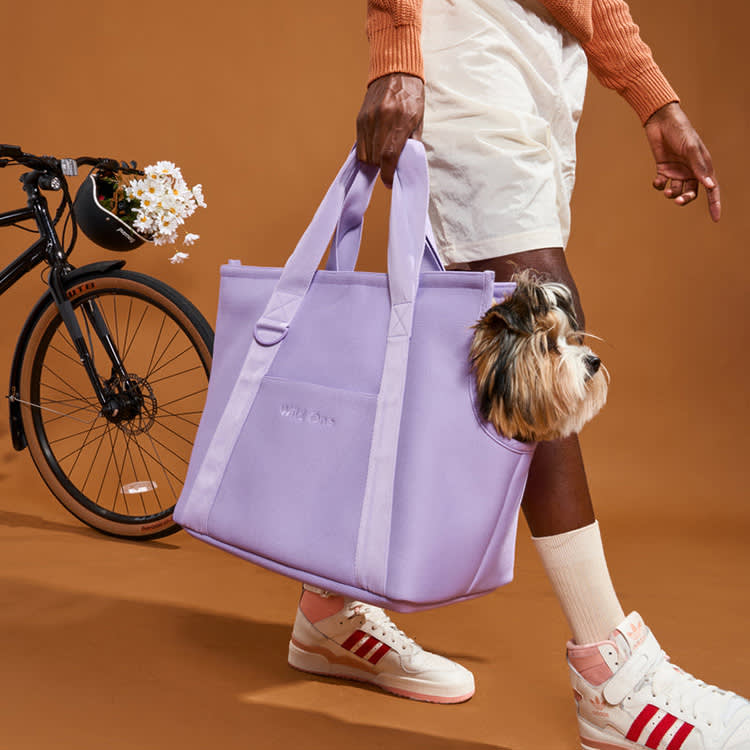 Living'Recycled' Is Doing a Lot of Work on That Label. 8 Pieces That Earn It.Leila Torres · 6 min