


21 Dogs Died at One Kennel Because Nobody Had to Check
The Anastasia's Acres tragedy in upstate New York wasn't just negligence. It exposed how little oversight pet boarding gets, and why vetting a kennel is on you.
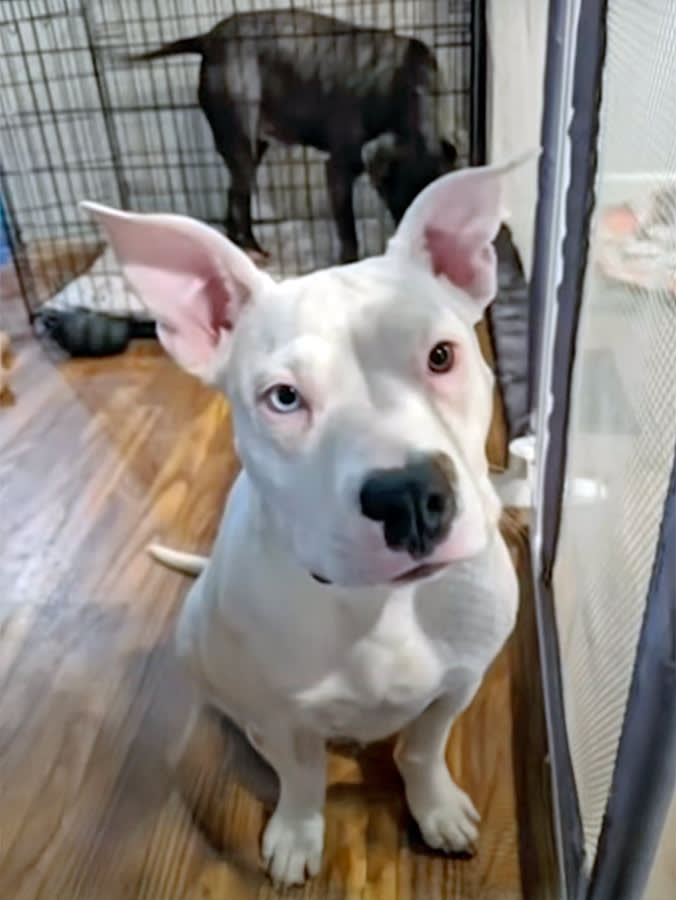
The calls went out on a Sunday in late August 2025, and nearly two dozen families got the same impossible news: the dog they had dropped off for a weekend of boarding was dead.
Twenty-one dogs died at Anastasia’s Acres, a kennel business in the town of Argyle, New York, over the course of a single summer weekend. One family had left two pit bulls, Odin and Luna, on Friday morning before a Myrtle Beach vacation, and was reassured twice by the facility that the dogs were doing fine; the next call they received came from local authorities. Another family arrived to pick up their dog, Piglet, booked for just a two-night stay, and learned he had died hours earlier. They buried him in the backyard that day.
Only one dog in the building survived.
What investigators found
The Washington County Sheriff’s Office concluded the animals had been failed in the most basic ways: the facility’s owners did not provide adequate water or ventilation. Reporting on the investigation described dogs confined in a small enclosed space without air conditioning through an August weekend, for roughly 11 hours, while the operators’ own house stood about 30 feet from the kennel building. Grieving owners fixated on that detail, because it meant distressed dogs almost certainly could be heard barking, and nobody walked over.
Anastasia and Robert Palulis, who ran the facility, were each charged with 22 misdemeanor counts, under New York’s animal cruelty statute covering overdriving, torturing and injuring animals, and failure to provide proper sustenance. A veterinarian commenting on the case to local media underscored how mechanical the failure was: ventilation, not headcount, is what makes a shared airspace survivable, and a room that safely holds ten dogs with real airflow can kill with far fewer without it.
The regulatory hole underneath the tragedy
Here is the part that should unsettle every pet parent, beyond the cruelty of this single case: in much of the United States, nothing systematic stood between those families and that kennel. Pet boarding is lightly and unevenly regulated, varying by state and often by county or town. Where rules exist, they frequently amount to a business license and, at best, sporadic inspection. There is no national standard for staffing overnight, monitoring temperature, or checking on animals at intervals, and in many places, misdemeanor animal-cruelty charges after the fact are the only enforcement mechanism the system has.
The families of the Argyle dogs discovered this in the worst way: several publicly pushed for felony charges and found that the law capped the available counts at misdemeanors. The case quickly became an argument for state-level reform, with New York legislators pointing to it as evidence that boarding facilities need binding safety standards rather than after-the-fact prosecutions.
How to vet a kennel like the state won’t
Until regulation catches up, the inspection burden falls on you, and the Argyle case writes the checklist itself. Before you book, tour the actual spaces where dogs stay, not just the lobby, and ask questions whose answers you verify with your own eyes.
Ask about air. Is the dog area climate-controlled, and how is temperature monitored when no one is standing in the room? A thermometer someone glances at during business hours is not monitoring; remote alerts are.
Ask about nights and gaps. Is anyone on the premises overnight? At what intervals does a human physically lay eyes on every dog, including weekends and holidays, which is exactly when boarding populations peak and the Argyle dogs died?
Ask about water and space. How is water provided and how often is it checked? How many dogs share an airspace, and what happens on intake days when the building fills?
Ask about failure plans. What happens if the power, and with it the air conditioning, goes out? Which emergency vet do they use, and at what threshold do they call it and call you?
Then verify what you can independently: online reviews going back years, any inspection records your county keeps, and whether the facility participates in voluntary industry accreditation, which, in the absence of law, is at least a signal that someone with standards has looked. A good facility answers all of this readily, and many will offer webcams that let you check on your dog yourself. Treat reluctance to answer as an answer.
What’s new since this was written
The legal chapter of the Argyle case closed with far less weight than the families wanted. After initially pleading not guilty alongside her husband, Anastasia Palulis pleaded guilty to animal abuse charges and was sentenced to two years of probation, telling investigators she had forgotten to turn on the air conditioning in the building where the dogs were kept. Prosecutors dismissed the charges against Robert Palulis after she took full responsibility. The plea terms bar her from operating a boarding business unless it can demonstrate compliance with national care standards.
Twenty-one dogs, two years of probation. That arithmetic reignited the reform push: New York lawmakers, led by Senator Jim Tedisco, renewed calls to pass the bipartisan Safe Pet Boarding Act, which would put enforceable standards on boarding facilities statewide. For now, the checklist above remains the only inspection most kennels will ever get.
References
- CBS News. After deaths of 21 dogs, owners of upstate New York boarding facility charged.
- Washington County Sheriff’s Office. Statement on Anastasia’s Acres investigation.
- WNYT NewsChannel 13. Argyle kennel owner pleads guilty in 21 dog deaths.
- NEWS10 ABC. Argyle dog boarder sentenced to probation in dog deaths.
Not a substitute for your vet. Our guidance is educational. For urgent symptoms, contact a vet or emergency clinic right away. Editorial standards
Jordan Ellis is a certified professional dog trainer with a decade of experience working with rescue organisations and private clients. They specialise in anxiety, reactivity, and positive reinforcement methods, and review all training and behaviour content at The Pet Times.
Meet our experts ↗Keep reading
 Health & WellnessThere's No Cute Buzz for Dogs. Alcohol Goes Straight to Poisoning.Dr. Amara Solis · 6 min
 Health & WellnessThe Scary Headline Was Chemicals. The Real Culprit Is Your Dust.Dr. Nina Kohl · 4 min
 TrainingBefore You Cut a Hole in Your House, Answer This: What Else Can Fit Through It?Marcus Webb · 8 min
 Health & WellnessBromethalin Is the Rat Poison That Looks Harmless for Days, Then Isn'tDr. Amara Solis · 7 min
 TrainingYou're Not Reading Your Dog. You're Reading the Room Behind Him.Dr. Ravi Mehta · 7 min
 Health & WellnessThe Hydrangea Cyanide Scare Is Mostly Wrong for Dogs. Here's the Real RiskDr. Mara Chen · 8 min