


The Trail Doesn't Care How Good Your Dog Is Off-Leash
Most hiking-with-your-dog advice is a gear list. The gear matters, but the two things that actually keep the day safe are an honest read on your dog's fitness and a recall that works when it counts. Here's the full checklist.

Affiliate disclosure. This article contains affiliate links. We may earn a small commission if you buy through a link, at no extra cost to you. How we handle recommendations.
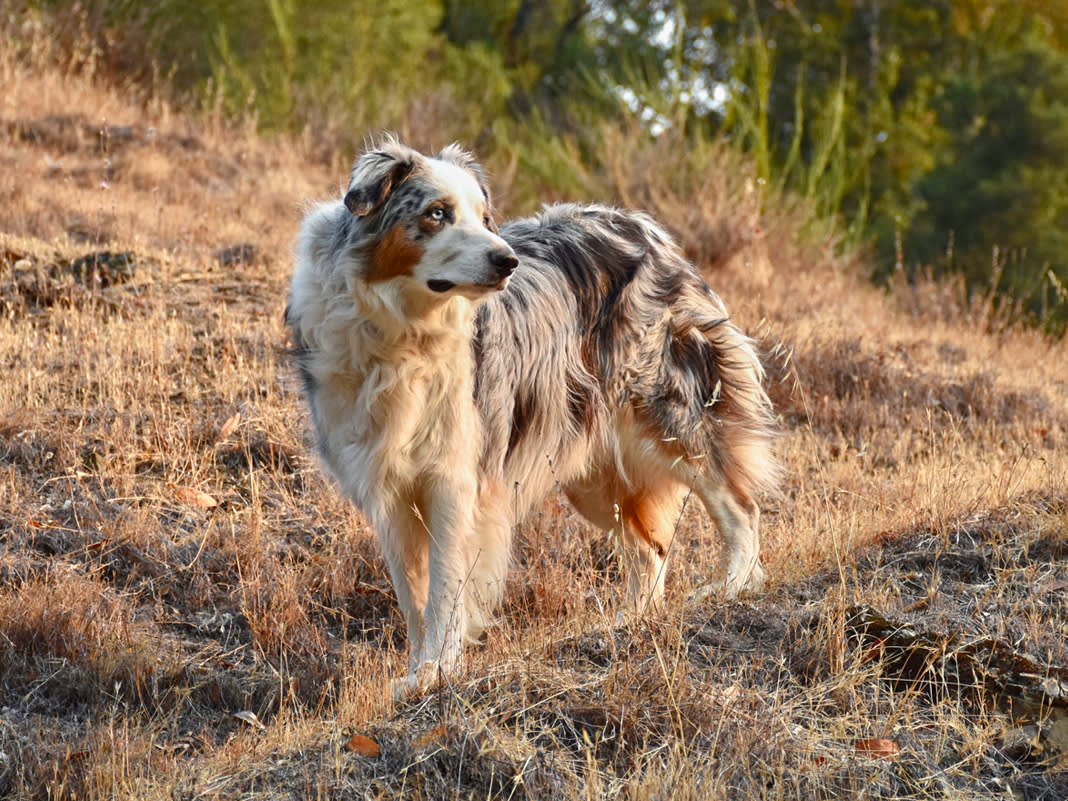
Search “hiking with your dog” and you will get a hundred versions of the same packing list. Water, poop bags, tick meds, done. The list is fine as far as it goes, but it quietly skips the two things that actually decide whether a hike goes well or turns into a story you tell at the emergency vet. Neither one fits in a backpack. The first is an honest assessment of what your dog can physically handle. The second is whether your dog comes when you call, every time, even with a squirrel involved.
Get those two right and the gear is easy. Get them wrong and no amount of gear saves the day. So let’s start there, then cover everything you stow in the pack.
The gut-check: is your dog actually trail-ready?
The short answer to “can I hike with my dog” is almost always yes. The useful answer is “yes, within limits you should be honest about.” Go easy at the start, know your own fitness too, and resist the urge to attack a hard trail on day one.
That honesty especially matters for certain dogs. Small dogs often cannot cover the distance a large breed can and may need weeks of conditioning first. Puppies, seniors, and flat-faced breeds that struggle to breathe in heat all sit lower on the range than a fit adult. And if your dog is overdue for a checkup, see your vet before you head out, not after.
The most common trail mistake I see isn’t a missing item, it’s a mismatch. An owner picks a hike that suits their own ambitions and assumes the dog will keep up. Heat, distance, and terrain injure far more dogs than wildlife does. Plan the day around your dog’s real conditioning and the forecast, and build up mileage over weeks the way you’d train yourself.
The recall piece is just as load-bearing. Plenty of trails allow dogs off-leash only under voice control, which is a polite way of saying your dog must genuinely come when called. On a shared trail you may meet other hikers, cyclists, horseback riders, and wildlife, and “he’s friendly” is not a plan. If the recall isn’t reliable yet, a leash is not a failure, it is the responsible choice while you build one.
Prep the trip before you leave
A little homework up front prevents most bad days.
- Start short and smooth. Before any ambitious hike, log some easy trails together to gauge how your dog handles distance and terrain.
- Confirm dogs are actually allowed. Search out which nearby trails welcome dogs, then double-check the rules for the exact path you have in mind. Local, state, and national parks all set different policies, and guessing wrong can end a hike at the trailhead. The National Park Service keeps a map of where pets are welcome.
- Learn the leash and hours rules. Many trails restrict when dogs are allowed and whether they must be leashed. Read the fine print rather than assuming.
- Pack a canine first-aid kit. Stash alcohol wipes, bandages, tweezers, and vet-approved Benadryl for an injury far from the car.
What to actually bring
Now the gear, and here is where the standard lists are right. A few items are genuinely non-negotiable.
Tick prevention, then a tick check anyway. A trail carries far more ticks than your neighborhood sidewalk, and dogs can get seriously ill from them. A monthly chewable preventative like NexGard keeps ticks from latching on at all, but even on prevention, comb your dog over carefully once you’re back, because ticks can be tiny and a long or light coat hides them well.
More water than you’d think, in a dog-friendly vessel
Extra drinking water is a necessity in every season. A
Heads up. or a dog water bottle with a built-in dispenser tucks into a pack and lets you stop and hydrate your dog with the view.
Poop bags, always
Some trailheads have dispensers; do not count on it. Carry
Heads up. and pack it out. It is courteous to other hikers and better for the trail.
A pack for the layers
Weather turns on trails, so dress in layers and bring a
Heads up. with room to stash a shed sweatshirt and your dog’s supplies. A useful trick from experienced hikers: keep more than one pair of shoes in the car, so you can make a game-time call between sneakers, hiking shoes, and rain boots based on conditions.
About water on the trail
If your route passes lakes or streams and your dog loves to swim, a few rules keep it safe. Big lakes are generally fine, but steer clear of any surface algae, and learn what blue-green algae looks like, since it is severely poisonous to dogs. Stagnant or dirty-looking water is a hard no. Shallow little streams are usually safe apart from sharp debris underfoot. Most important of all, confirm your dog is a capable swimmer before any water goes above their legs, and stay close enough to pull them out if things go wrong.
What’s new for trail season
Two developments are worth folding into your prep. First, tick range and season have expanded in much of North America, with ticks now active in more months and more regions than a decade ago, so the old habit of dosing only in high summer is out of date; year-round prevention is increasingly the veterinary default. Second, heat is the risk that has grown fastest. Hotter, longer summers mean more dogs arriving at clinics with heat exhaustion after hikes that would have been fine in cooler decades. The practical fixes are simple: hike early or late, choose shaded and water-adjacent routes on hot days, and treat a panting, lagging dog as a signal to stop, not to push.
References
- American Kennel Club. “Hiking With Dogs: Tips for Hitting the Trail.” akc.org
- National Park Service. “Pets in Parks.” nps.gov
- American Hiking Society. “Hiking With Dogs.” americanhiking.org
- U.S. Forest Service. “Hiking and Camping With Dogs.” fs.usda.gov
Common questions
What should I pack for a dog on a hike?
Non-negotiables: more water than you think you need plus a collapsible bowl, poop bags, tick prevention, and a basic canine first-aid kit with alcohol wipes, bandages, tweezers, and vet-approved Benadryl. Extra food or snacks in case the hike runs long round it out.
Do I need to keep my dog leashed on trails?
It depends on the trail, and you have to check in advance. Many trails require leashes; some allow off-leash travel only under reliable voice control. Off-leash is a privilege you earn with a recall that works around wildlife and other hikers, not a default.
Dr. Mehta is a board-certified veterinary nutritionist who evaluates pet food formulations, ingredient quality, and the science behind dietary trends. He writes and reviews all nutrition content at The Pet Times, including our food rankings and feeding guides.
Meet our experts ↗Keep reading
 LivingFlorida Tried to Outlaw Dogs' Heads Out Car Windows. The Bill Died. The Danger Didn't.Jordan Ellis · 4 min
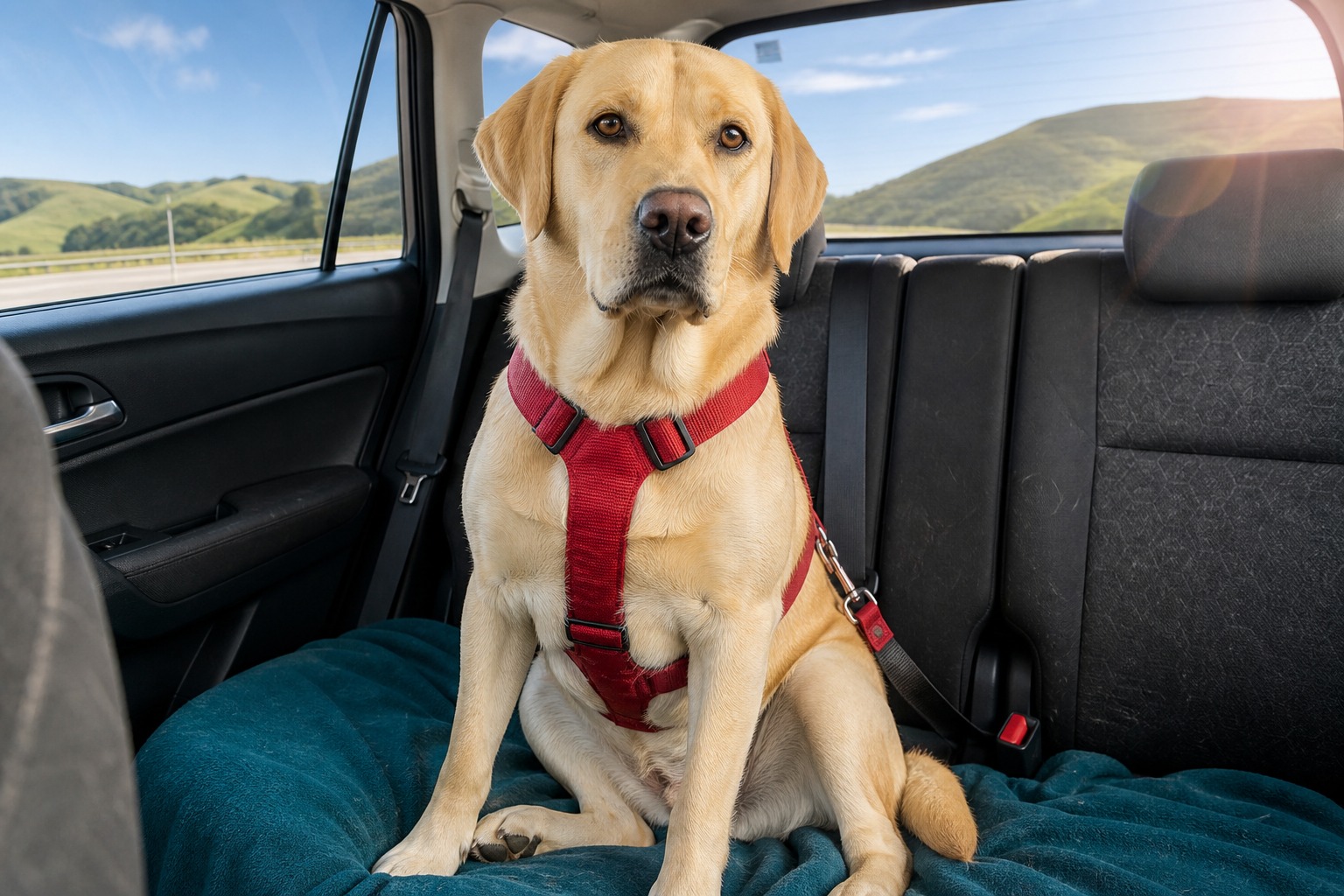 LivingYou Buckle Up. In a Crash, an Unrestrained Dog Is a Projectile.Dr. Priya Nair · 7 min
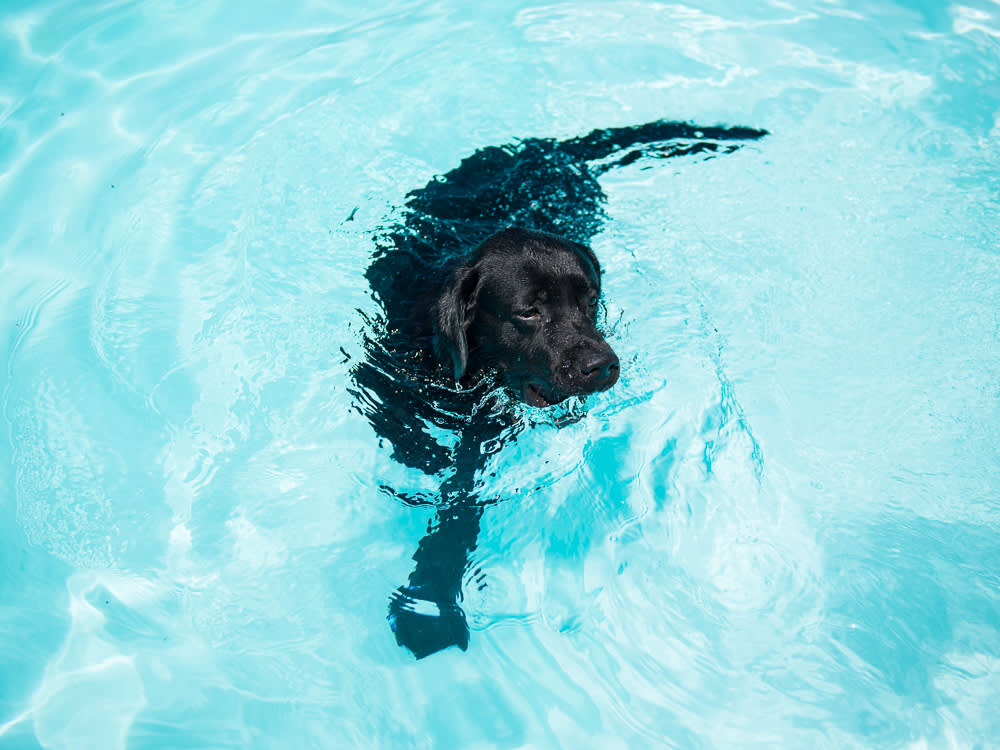 Health & WellnessA Pool, a Lake, and the Ocean Will Kill Your Dog in Three Different WaysDr. Lena Park · 8 min
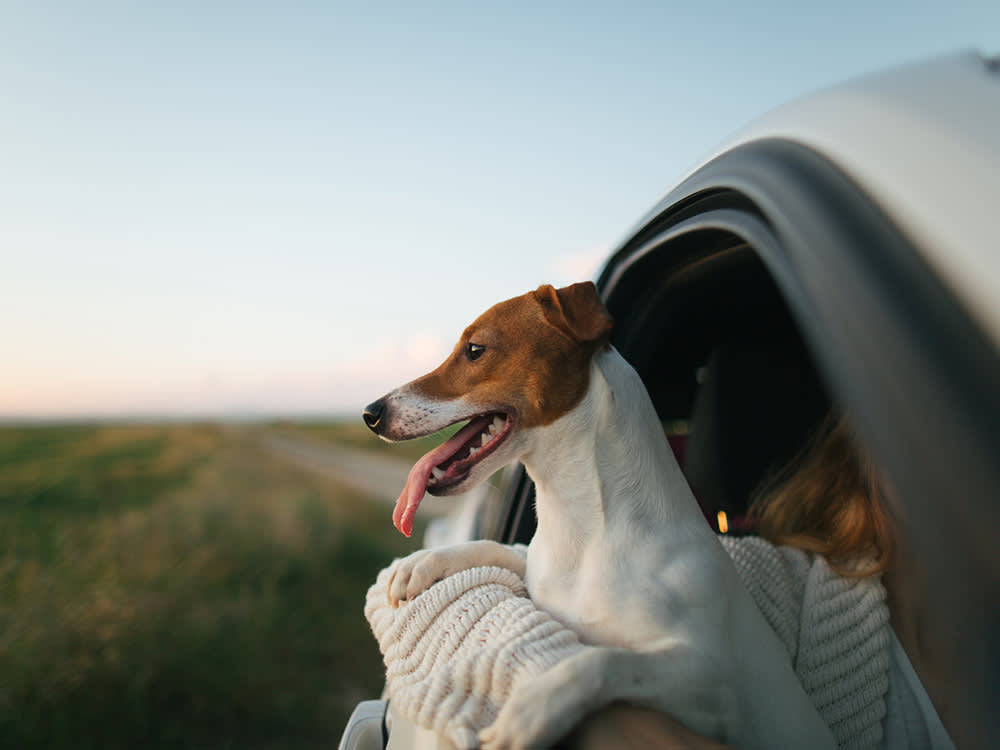 Health & WellnessThe Backseat Habits That Turn a Dog Road Trip DangerousDr. Ravi Mehta · 6 min
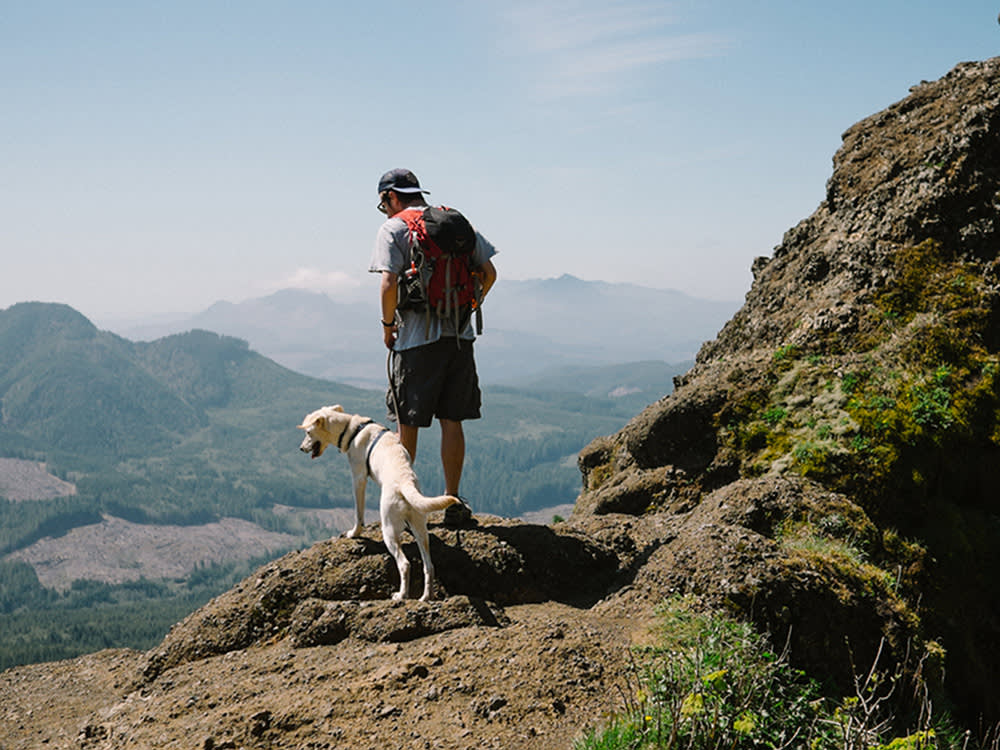 LivingEvery Trail Closed to Dogs Was Closed Because of a Dog OwnerMarcus Webb · 8 min
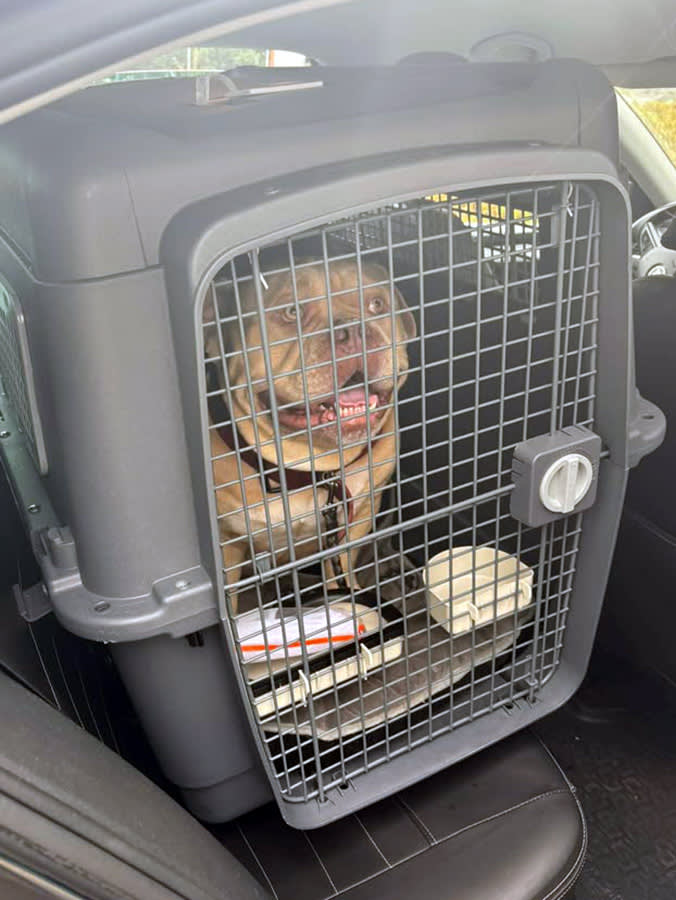 LivingA Woman Left Her Dog at the Airport. The Breed Ban That Set It Up Is the Real Story.Jordan Ellis · 4 min