


Anyone Can Feed a Cat. Great Pet Sitters Do These Four Things
Filling a bowl is the easy part. The sitters clients rave about and rebook manage the human's anxiety as carefully as the pet's routine. Here are the four habits that separate a great sitter from an average one.

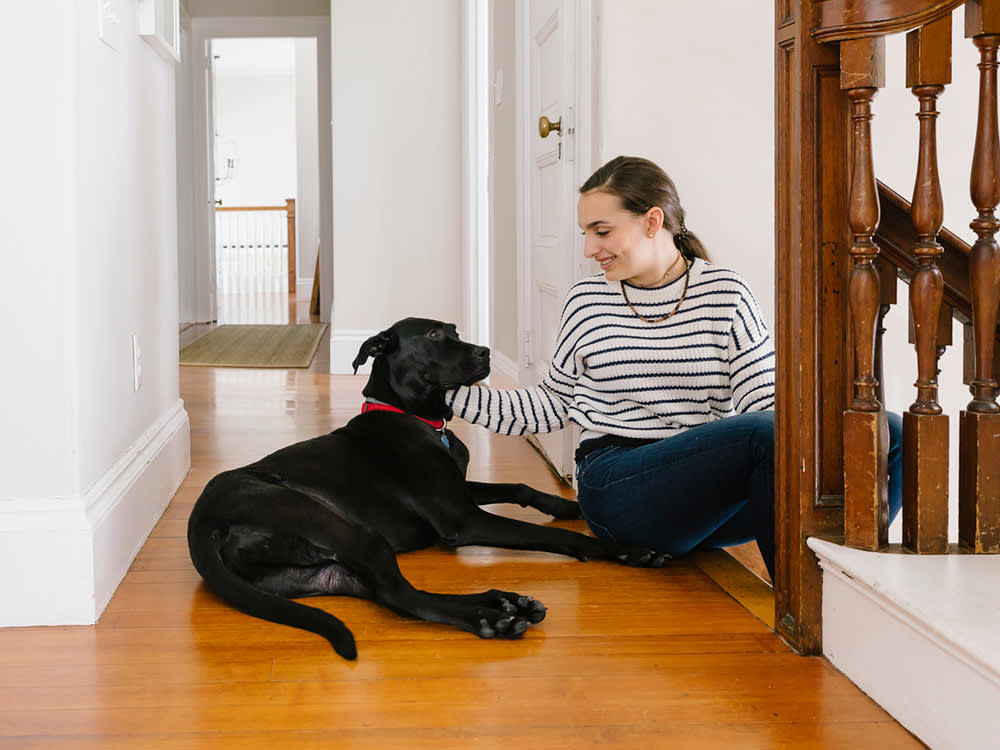
Here is the uncomfortable truth about pet sitting: almost anyone can do the literal job. Scoop the food, refill the water, scoop the litter, take the dog around the block. If that were all it took, every sitter would get five stars and a rebooking. They do not, and the reason has almost nothing to do with the pet’s bowl. It has to do with the person who left, and how much they trusted you with the anxious, guilty feeling of walking away from a family member.
That is the real product a great sitter sells: peace of mind for a worried human. Get that right and your phone rings off the hook. Get it wrong and you are a one-time hire, no matter how clean the litter box was. Everything below is organized around that single idea, and it comes down to four habits.
1. Manage expectations from the first conversation
The habit that quietly decides whether a job succeeds or fails is the one most beginners treat as an afterthought: getting crystal clear, up front, about what you will and won’t do. Managing the owner’s expectations before the trip prevents the small letdowns that curdle into bad reviews.
If, during your first meeting, you realize the client wants something you cannot deliver, say so on the spot. Honesty before the trip beats a disappointed owner during it. Walk through what each visit will actually involve and describe a normal day in the life of their pet, so you are both picturing the same thing. Be realistic about arrival times and how long you will stay, and nail down any secondary tasks they are expecting, watering plants, bringing in mail and packages, rotating lights, taking out the trash. Surprises are the enemy here. Alignment is the whole game, and it is why this comes first.
2. Know the household before you’re alone in it
Great sitting depends on a meet-and-greet in the client’s home while they are still there. This is where you earn the trust of the animal and the owner alike, and yes, the owner counts just as much. Plenty of us are wonderful with animals and awkward with humans, but this is the moment to step out of that comfort zone. Ask questions. What are the owner’s primary worries? What are their pain points, and how will you make them disappear?
Then get down on the pet’s level and actually interact, so both animal and owner can picture you caring for them well. Keep in mind how much stress a departure puts on everyone in the household, pet and person, and reassure the client you will treat their cat or dog the way they would.
Practically, this visit is your one shot to gather everything, because you may not lay eyes on the owner again until the job is over. Write down emergency contacts, the vet’s information, exact feeding instructions, medication details and schedules, alarm codes, and anything else that keeps the household running. Be almost annoyingly thorough. The information you forget to ask for is the information you will desperately need at 9 p.m. on day three.
3. Have a real emergency plan
Here is the habit the average sitter skips, and it is the one that most separates a professional from a hobbyist: walking in with a plan for the day things go wrong. Pets get sick, escape, or stop eating, and the sitter who has already thought it through is the one clients trust with the next trip too.
Before the owner leaves, settle the what-ifs while you still can. Confirm the nearest 24-hour emergency vet and put the address in your phone alongside the regular clinic. Ask the owner to leave written authorization and a spending limit for veterinary care, so you are not frozen at a clinic desk unable to approve treatment. Get a local backup contact, a neighbor, friend, or family member who can step in if you are ever unreachable or the pet needs two hands. Learn where the pet’s carrier, leash, medications, and a recent photo are, in case you have to move fast or a dog slips out a door. None of this is dramatic on a normal trip, and all of it is priceless on the one bad one. Owners can feel the difference between a sitter who is winging it and one who has a plan, and that feeling is what earns the rebooking.
4. Go above and beyond once the job is underway
With expectations set, the household learned, and a safety net in place, the difference between fine and unforgettable is proactive care, for the pet and the person.
Do not wait for the client to check in on you. Reach out first. Text when you arrive with a quick status update: everyone is fine, everything is in order. Read each pet’s needs and respond to them, staying patient and calm with the shy or scared ones, because pets are sensitive to change and are often missing their people. Keep their routine as close to normal as you can, since predictability is comforting when their humans have vanished. When a pet relaxes enough to show it, send photos, the smiling face of their dog or the curled-up contentment of their cat tells the owner, better than any words, that they hired the right person.
On the final visit, leave the place better than a bowl-filler would. Tidy up, brush the pets so they look their best for the homecoming, and leave a short handwritten note sharing a story or two from your time together. Express genuine gratitude and let the client know you would love to sit for them again and that they can reach you with any questions. These are small gestures, and they are exactly what people remember.
The best sitters I know treat the owner as a client, not an afterthought. The pet gets fed either way. What people are really paying for is to stop worrying, so the sitter who over-communicates and has a plan for the worst day wins every time, even if the cat barely noticed they were there.
What newer research adds
The pet-sitting landscape has professionalized in ways that reward exactly these habits. Booking platforms now run on public reviews and repeat bookings, so the sitters who communicate proactively and document their visits, timestamped photos, arrival notes, a short recap, build the visible track record that turns into steady work. The soft skills in this piece are increasingly the measurable ones.
There is also more emphasis now on formalizing the safety net that used to be informal. Many professional sitters carry pet-sitting insurance and bonding, and increasingly ask clients to sign a simple service agreement that spells out veterinary authorization, spending limits, and emergency contacts before the trip begins. It is the same instinct as rule four, just written down: the sitters who treat the worst-case scenario as something to prepare for, not improvise around, are the ones clients keep calling back.
References
Nina Vasquez writes about life at home with pets and the relationships at the heart of it. Her work covers day-to-day living, people-and-pet stories, and the products that fit into a real household, with a warm, grounded take on everyday pet ownership.
Meet our experts ↗Keep reading
 LivingShoot Your Pet Like a Cover Star: 7 Phone-Portrait Rules From a ProSasha Ford · 4 min
 LivingThis Bright Yellow Bus Is Basically Uber, but Every Passenger Has Four LegsNina Vasquez · 4 min
 LivingYour Cat Ruins Your Meditation by Sitting on Your Chest. That's the Practice.Jordan Ellis · 5 min
 LivingIn Gemini Season, Your Pet Contains Multitudes TooJordan Ellis · 5 min
 LivingThe Cat-or-Dog Sleep Gap Is About Physics, Not LoveSara Lim · 7 min
 LivingThe Best Pet Portraits Are the Least Dignified OnesSasha Ford · 4 min