


A Celebrity Chef's 3-Ingredient Frozen Dog Treat, and the Two Label Traps in It
Chef Dan Churchill's frozen blueberry dog treats need blueberries, honey, and yogurt, plus five minutes at the stove. The recipe is genuinely great. Two of the three ingredients just require reading the label like your dog's life depends on it, because it might.

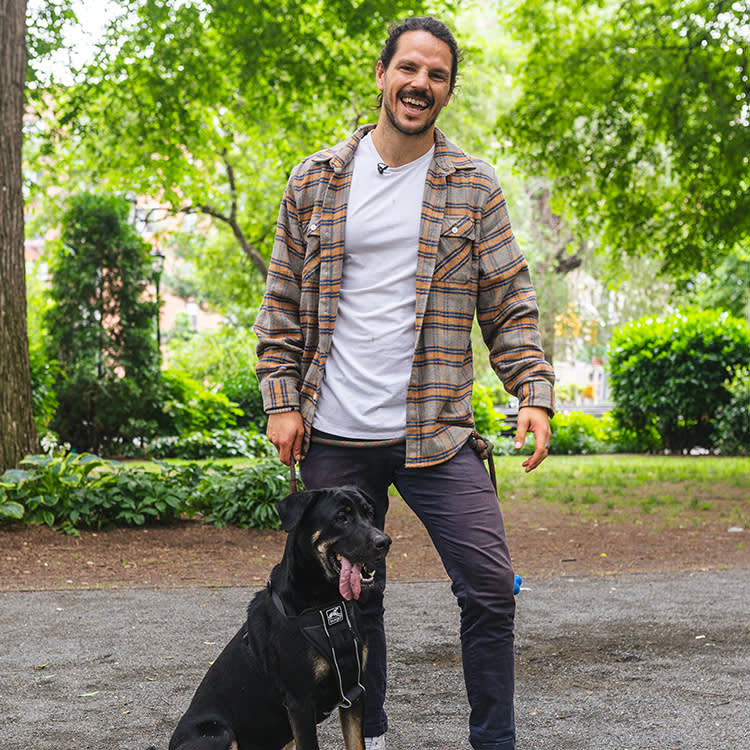
Dan Churchill knows his way around an impressive kitchen resume: MasterChef Australia alum, executive chef of Charley St, the Australian-inspired, impact-driven cafe in New York City, and host of The Epic Table, a podcast about environmentalism in cooking with a habit of star-studded guest lists. His dog, Mav, knows none of this. What Mav knows is that the man makes treats.
After his first viral hit for dogs, the Epic Homemade Dog Treats built on dates, oats, and peanut butter, Churchill followed up with a summer edition: frozen blueberry treats, designed to keep a hot dog cool. The recipe is three ingredients and nearly foolproof. The shopping for it is where a dog owner can go wrong, so let’s do the recipe first and the label lecture second.
The recipe
Ingredients: 2 cups blueberries, 1 tablespoon honey, 1 cup yogurt.
Directions: Put the berries, the honey, and half a cup of water into a saucepan, bring the heat up, and give it five minutes, by which point you should have a loose jam. Let it cool. Now go cube by cube through an ice tray: a tablespoon of yogurt into each well, half a tablespoon of the jam on top, then drag a skewer through to marble the two together for the marbled look. Freeze for three hours.
That’s it. Blueberries themselves are one of the safest fruits you can share with a dog, low-calorie, packed with antioxidants, and conveniently bite-sized. The freezing does the summer work. The two supporting ingredients are where the labels matter.
Trap one: the yogurt aisle
The yogurt in this recipe should be plain yogurt, and “plain” is doing heavy lifting. Flavored and “light” yogurts can contain xylitol, a sugar substitute also sold as birch sugar, which is genuinely dangerous to dogs; even small amounts can trigger a life-threatening insulin release and liver damage. Xylitol hides in exactly the products people consider healthy, sugar-free and low-sugar versions especially. If the ingredient list has any sweetener you don’t recognize, put it back.
The second yogurt consideration is gentler: lactose. Many adult dogs digest dairy imperfectly, and while the live cultures in yogurt reduce its lactose load, a dairy-sensitive dog can still answer this treat with an upset stomach. If you know or suspect your dog is lactose intolerant, swap in a plain lactose-free yogurt or an unsweetened dairy-free alternative, and with any dog trying yogurt for the first time, start with a single cube and see how the day goes.
Trap two: the honey jar
Honey is safe for healthy adult dogs in small amounts, and this recipe’s single tablespoon, divided across a whole tray of treats, is a textbook small amount. But two categories of dogs should skip it. Puppies under about a year shouldn’t have raw honey: it can carry Clostridium botulinum spores, and an immature immune system is less equipped to shrug them off, the same reason pediatricians say no honey for human babies. And for diabetic or immunocompromised dogs, honey’s sugar and microbial load make it a poor fit; for a puppy batch or a diabetic dog’s batch, simply leave the honey out. The blueberries carry the recipe fine without it.
“Three-ingredient recipes are where I see the most label complacency. People audit a twelve-ingredient dog biscuit and then pour in whatever yogurt is open in the fridge. The short recipes deserve the same thirty seconds of reading,” says Dr. Priya Nair.
Portion notes from the real world
Frozen treats invite generosity, they’re basically dog popsicles, so it helps to remember the standard math: treats of all kinds should stay under roughly 10 percent of a dog’s daily calories. For a small dog, one cube on a hot afternoon is the whole show. Sized sensibly, this is about as low-risk as homemade treats get: no baking, no dough for anyone to sneak raw, and a fruit base most dogs treat as candy.
Churchill’s brand of healthy eating has always been the laid-back, unfussy kind, and this recipe fits: five minutes at the stove, three hours of freezer patience, and a dog who thinks you’re a genius. Read two labels carefully and you’ve earned it.
References
Not a substitute for your vet. Our guidance is educational. For urgent symptoms, contact a vet or emergency clinic right away. Editorial standards
Leila Torres leads our Living coverage, from home life and travel to the products and rescue stories that come with sharing a life with animals. She edits and writes across the section, with a soft spot for pieces about the bond between people and their pets.
Meet our experts ↗Keep reading
 FoodThe 4-Ingredient Frozen Dog Treat (Check the Label First)Sara Lim · 5 min
 FoodMake Your Dog's Peanut Butter at Home, and Skip the Ingredient That Can KillSasha Ford · 5 min
 FoodTurmeric Barely Absorbs in Dogs. This Treat Recipe Fixes the Flaw.Dr. Nina Kohl · 5 min
 FoodThe Chicken Jerky Recipe That Fixes the One Step Most Home Cooks SkipDr. Nina Kohl · 5 min
 Food6 Ingredients, One Sitcom's Worth of Time: The Dog Cookie Worth Turning the Oven On ForDr. Mara Chen · 5 min
 FoodThe Store-Bought Cracker Is Wrecking Your Dog's Snack. This 4-Ingredient Biscuit Fixes It.Dr. Priya Nair · 5 min