


Why Your Late Pet Keeps Showing Up in Your Dreams
Dreaming about a pet who has died isn't morbid or random. Grief specialists see it as the mind doing repair work, and the kind of dream you have often tracks where you are in your grief.


If you’ve lost a pet, they’ve probably found their way back into your dreams, sometimes years later. For a few minutes of sleep, your dog is bounding across a field again, or your cat is a warm weight on the bed, and it feels less like a dream than a visit. Then you wake, remember, and feel the loss fresh. But the visit itself can be a small mercy, a way to spend a little more time together after time together ran out.
These dreams are common, and specialists who work in pet bereavement tend to see them as a good thing, not a symptom. Understanding what they might mean can make them easier to receive.
The idea that reframes the whole thing
For a long time, grief was described as a process of “letting go,” as if healing meant severing the connection to who you’d lost. Modern grief research leans the other way, toward an idea called continuing bonds: the notion that keeping a relationship with a loved one alive, in memory, ritual, and yes, dreams, is often more healing than trying to cut it off.
Through that lens, a dream about your pet isn’t your mind failing to move on. It’s one of the ways you maintain the bond, and it can be part of how you heal rather than proof you’re stuck. Grief counselors who work with pet loss often describe these dreams as the brain’s way of comforting you, and overwhelmingly people experience them as positive.
“So many people apologize for still dreaming about a pet who died years ago, like it means they never healed,” says Leila Torres. “I try to flip that. The dream is usually the relationship continuing in a form you can still hold. That’s not a wound that won’t close. That’s love that found somewhere to go.”
The kinds of dreams people have, and what they may mean
Grief dreams about pets tend to fall into recognizable types, and which one shows up often reflects where you are in the grieving process. Here are the ones people describe most, plus one that surprises people.
The vivid, physical dream
You feel your dog’s tongue on your face, or your fingers in your cat’s fur, so real that the sensation lingers after you wake. These tend to arrive early in grief, when the longing for physical closeness is sharpest. Even after a pet is gone, the nervous system remembers the texture of them, and re-experiencing that touch in a dream may help the mind begin to absorb the loss while leaving you feeling, for a moment, loved and safe.
The dream where they’re young and whole again
You see your pet at their happiest and healthiest, maybe running free somewhere beautiful. This one tends to bring real comfort, and it can be a sign of movement, from raw sadness toward acceptance, and toward being able to remember them with joy instead of only ache. That image of them at their best can help carry you toward peace.
The dream where you relive their death
Less often, and usually when the loss involved trauma, a sudden accident, a fast illness, a pet who died too young, people replay the death itself, sometimes on a loop. It can surface guilt and the unbearable “what if I’d done something differently.” When these dreams are frequent and distressing, they can look a lot like the intrusive replaying seen in post-traumatic stress, and it’s worth knowing that trauma-focused therapy exists and helps. You don’t have to white-knuckle through it alone.
The dream where they’re suddenly back
They’re just… home again, as if the death was a mistake or never happened. In the first months after losing my own dog, I had this one constantly. Grief specialists read it a few ways: as disbelief, the mind struggling to accept something final; as wish fulfillment, pure and simple; or as a kind of symbolic message that they live on in you. Any of those can be true at once.
The dream where they speak to you
Your pet communicates, sometimes almost telepathically, sometimes just a look that says they’re okay. You might wake and sense them in the room. These often arrive later, closer to acceptance, and people tend to describe them as reassuring, even as a form of closure, a quiet teaching that your pet is gone from here but somehow all right where they are.
The dream where you’re searching and can’t find them
This is the one that catches people off guard, and it’s common enough to name: you spend the whole dream looking for your pet, calling, opening doors, and never finding them. It’s not a bad omen. It’s often the mind literally working through absence, the daytime feeling of reaching for someone who isn’t there, rendered as a search. Like the “they’re back” dream, it tends to soften as acceptance grows.
What if you never dream about them?
If your pet has never once appeared in your dreams, that’s completely normal too, and it doesn’t mean you loved them less. You may simply not remember your dreams. You may not need them, because you’ve already found your way to acceptance, or because your beliefs make death feel less distressing. Or the comfort may reach you while you’re awake instead, a “felt sense” that they’re still nearby, like the phantom awareness of a missing limb, or the friendly impression of them padding through a room.
Some grieving people even briefly see or hear their pet, a flash of a tail, the jingle of a collar, sometimes called a bereavement hallucination, and while the term sounds clinical, the experience is usually comforting rather than frightening. Grief looks different on everyone, and every loss is processed in its own way.
Gentle ways to invite the connection
If you’re longing to feel closer to a pet you’ve lost, whether in dreams or in waking life, there are small rituals that can help. Some people set an intention before sleep, quietly asking for a sense of their pet. Others journal, or spend time in a place they shared, a trail, a spot on the couch, treating it as a space for connection. And holding onto an object that carries them, a collar, a favorite toy, and letting yourself remember can be its own kind of nearness. None of this forces a dream. It just leaves the door open.
A note: grief after losing a pet is real and can be heavy, and it sometimes overlaps with depression, trauma, or anxiety. If your grief feels unmanageable, or if distressing dreams are affecting your sleep and daily life, please consider reaching out to a mental-health professional or a pet-loss support line. If you’d like, I can help you find grief resources.
References
- Klass, Dennis, Phyllis R. Silverman, and Steven Nickman, eds. Continuing Bonds: New Understandings of Grief. Taylor & Francis, 1996. https://www.tandfonline.com/doi/full/10.1080/07481187.2023.2223593
- Packman, Wendy, et al. “Continuing Bonds and Psychosocial Adjustment in Pet Loss.” Journal of Loss and Trauma, vol. 16, no. 4, 2011, pp. 341–357. https://www.tandfonline.com/doi/abs/10.1080/15325024.2011.572046
Nina Vasquez writes about life at home with pets and the relationships at the heart of it. Her work covers day-to-day living, people-and-pet stories, and the products that fit into a real household, with a warm, grounded take on everyday pet ownership.
Meet our experts ↗Keep reading
 Health & WellnessCan't Afford the Vet Bill? Don't Panic-Post a GoFundMe YetMarcus Webb · 8 min
 LivingBroadway Barks Rehomed 2,000 Animals by Hijacking Actors' One Daily BreakNina Vasquez · 4 min
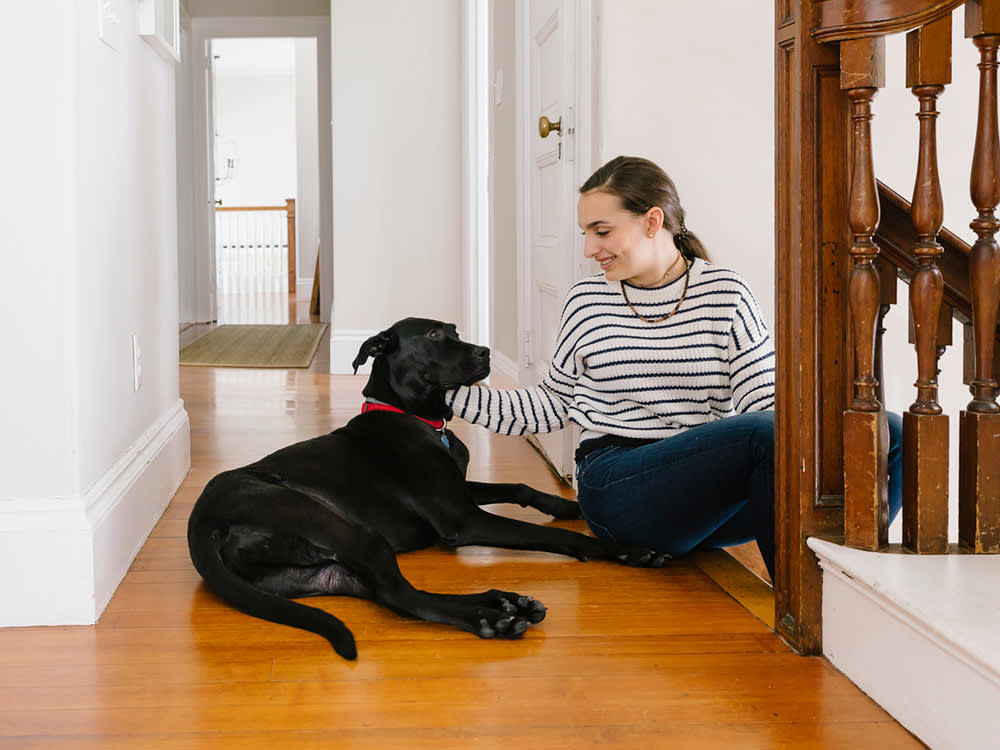 LivingAnyone Can Feed a Cat. Great Pet Sitters Do These Four ThingsNina Vasquez · 6 min
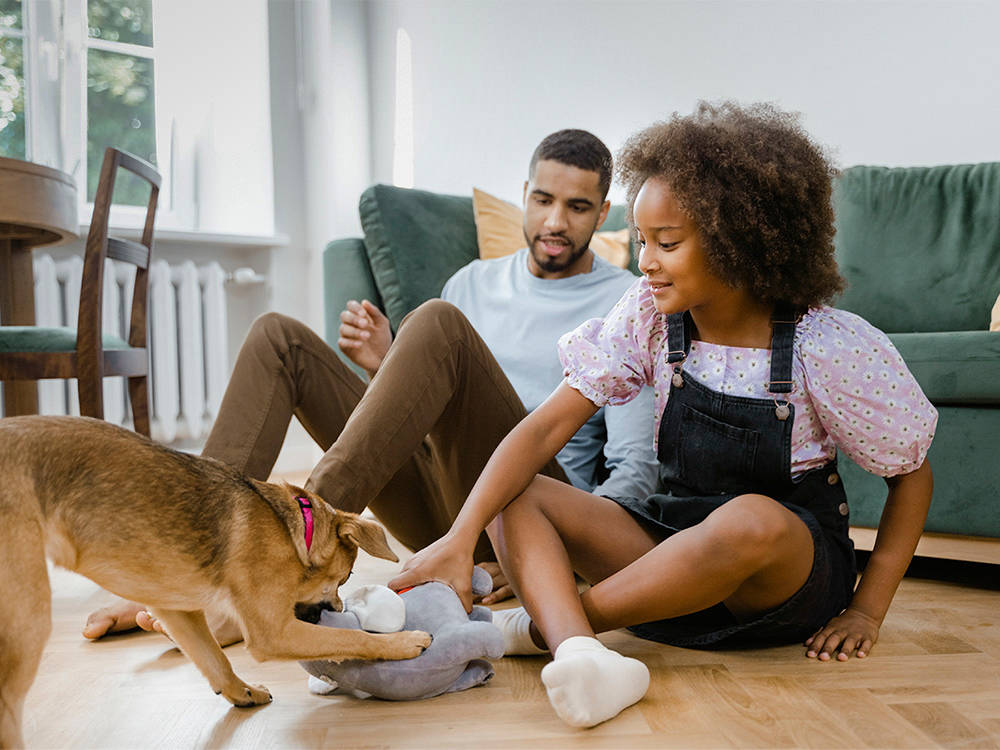 LivingFostering Pets With Kids Isn't a Liability. It's the Best Empathy Class They'll Take.Nina Vasquez · 7 min
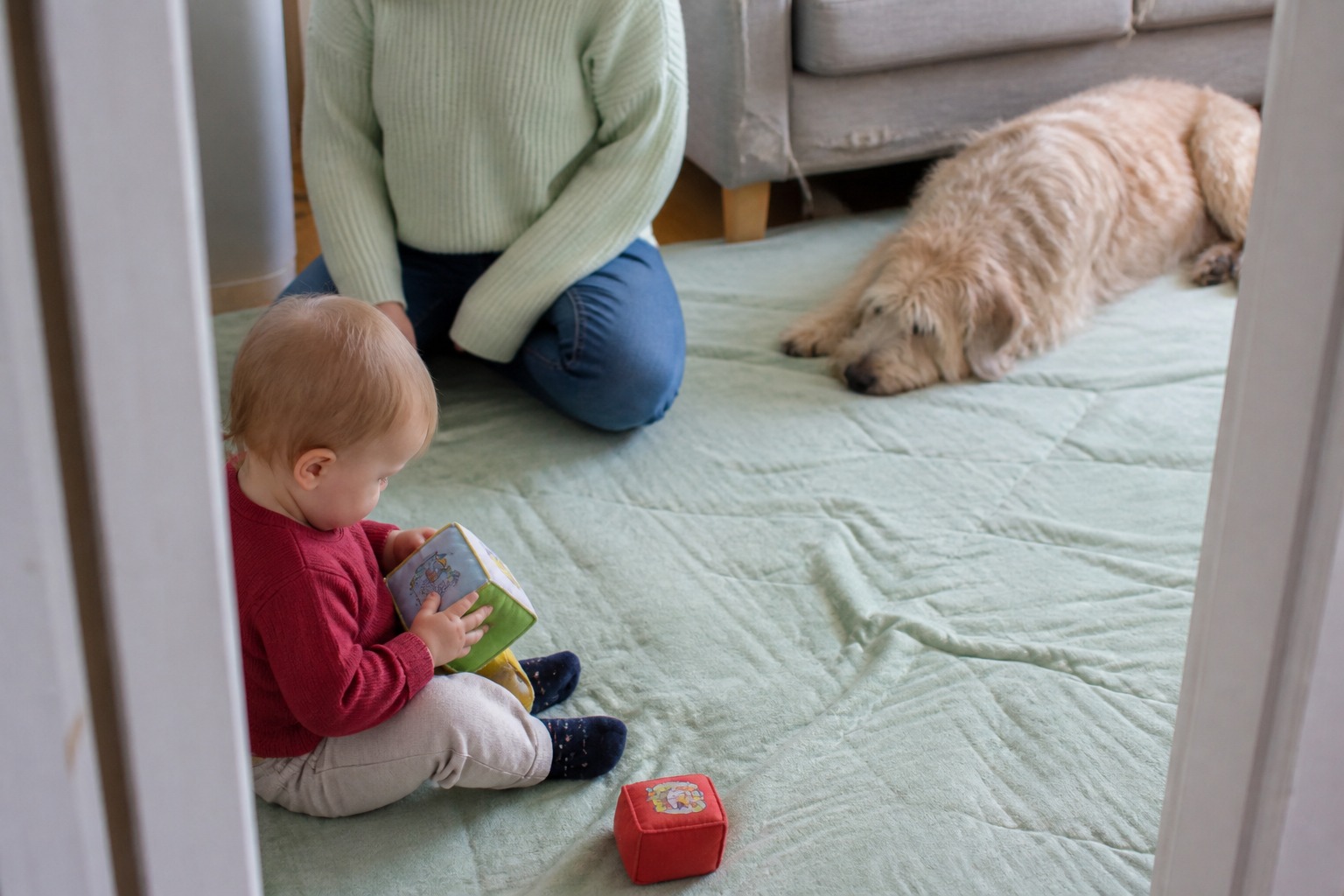 LivingKeeping the Baby Away From the Dog? The Science Says You Have It Backwards.Dr. Lena Park · 5 min
 LivingThe Weird Little Rituals Pet Parents Refuse to SkipMarcus Webb · 5 min