


Your Dog Has a Sweet Tooth. That's Exactly the Problem.
Dogs really can taste sugar and many genuinely like it, an appetite they inherited from living alongside us. Here's why that shared sweet tooth is more risk than treat.


We spend a lot of energy telling people that dogs can’t taste sweet the way we do, that they don’t care about dessert, that the begging is just for the meat. It’s a comforting story, and it’s mostly wrong. Dogs can taste sugar. A great many of them like it. And the reason that appetite exists is one of the more remarkable facts about the animal on your couch.
Here’s the point this article is built around: the sweet tooth is real, your dog probably inherited it from thousands of years next to your ancestors, and that shared craving is precisely why sugar is something to manage rather than indulge. The danger isn’t that dogs are indifferent to sweets. It’s that they aren’t.
Dogs can taste sweet, and here’s why
A dog’s tongue carries taste receptors for the same five basic categories people register: sweet, salty, bitter, sour, and umami. Among them are receptors that respond to sugars like glucose and fructose, and a dog’s brain may read that sweetness as a flag for quick energy.
There’s a compelling theory for why. Over thousands of years of domestication, dogs ate largely what we ate, a diet with far more plant matter and starch than a wolf’s. Living on human scraps, dogs that could detect and use sweeter, starchier food had an edge. So the sweet receptor isn’t a quirk, it looks like a souvenir from the longest interspecies partnership in history. Your dog’s interest in your cookie is, in a small way, a fossil of that shared table.
What dogs don’t have is our resolution. With about 1,700 taste buds to our 9,000, a dog’s sense of taste is blunter, so it may miss the subtler sweet notes we savor. But the headline registers loud and clear: this is sweet, this is energy.
Liking sweet isn’t the same as wanting sweet
Here’s the twist that keeps dogs from being little dessert monsters. Taste is only part of the experience. Smell, texture, temperature, and memory all shape whether a dog actually wants a food, and on those axes dogs are wired toward meat, not cake.
Studies consistently find dogs gravitate to savory, umami-rich flavors and to warm, moist textures, an echo of an ancestral diet built around animal protein. So a dog can taste the sweetness in a treat and still choose the chicken every time. The sweet tooth is present but not dominant. That’s why your dog will hoover a scrap of steak and merely investigate a strawberry.
The mistake I see is people treating ‘dogs can taste sweet’ as permission. A dog can enjoy something sweet and still have no biological need for it. Their sweet tooth is a leftover from evolution, not a nutrition requirement, and it’s a lot easier to feed than it is to burn off.
Where the sweet tooth turns dangerous
This is where the shared craving stops being charming. Because dogs can enjoy sweet foods, they’ll happily eat things that hurt them, and some of the most dangerous items in the house are the sweet ones.
Chocolate is the obvious offender, toxic to dogs even though many like the initial taste. Grapes and raisins can cause kidney failure. Macadamia nuts bring on weakness and tremors. And xylitol, the sugar substitute in many “sugar-free” gums, candies, and even some peanut butters, is severely toxic to dogs in tiny amounts, causing a crash in blood sugar and liver damage. A dog’s inability to know these foods are dangerous, combined with a real appetite for sweet, is a bad pairing.
There’s a silver lining in canine biology worth noting: if a dog does get sick from a sweet food, it often forms a lasting aversion to anything that tastes or smells similar, a protective instinct against repeating the mistake. But you never want to rely on that. Prevention beats a hard-won lesson.
The quieter risk: sugar you’re “allowed” to give
Toxins get the headlines, but the everyday problem is subtler. Even non-toxic sweets pile on calories, sugar, and fat that a dog’s body doesn’t need. High-fat desserts like ice cream, cake, and buttery pastries can trigger digestive upset or serious pancreatitis. Dairy-heavy sweets like cheesecake and custard commonly cause vomiting and diarrhea, since many dogs handle lactose poorly.
And for dogs with certain conditions, the stakes climb. A dog with diabetes or one already carrying extra weight really shouldn’t be getting sugary treats at all. Even a healthy dog should get the vast majority of its calories from balanced dog food, with treats and table scraps kept to a small fraction of the day’s intake. A sweet tooth your dog can’t self-regulate is one you have to regulate for them.
Sweets you can actually feel good about
You don’t have to ban sweetness, just source it well. The best sweet treats for dogs are whole foods with built-in nutrients and less sugar than anything processed:
- Berries like blueberries, raspberries, and strawberries, lower in sugar and rich in useful nutrients
- Fruits like watermelon, cantaloupe, and banana, fine in moderation
- Sweet vegetables like sweet potato, butternut squash, and carrot
- Peanut butter (xylitol-free), a good option if your dog tolerates higher-fat snacks
If you want a homemade treat, keep added sugar minimal and every ingredient dog-safe, a simple frozen yogurt-and-banana bite does the job. And remember that toppers and treats add to the daily calorie total, so trim the main meal a bit to keep things balanced.
The bottom line
Dogs can taste sugar, many like it, and that appetite is a genuine inheritance from a life spent alongside people. Treat it as what it is: real enough to tempt your dog into trouble, and not remotely a need. Feed the sweet tooth sparingly, with whole foods, and keep the truly dangerous sweets where a curious nose can’t reach.
What’s new since this was written
Nutrition researchers have increasingly framed dog obesity as the central issue lurking behind the sweet-treat question, and the numbers keep climbing, with recent surveys estimating that more than half of dogs in the U.S. are overweight or obese. The practical takeaway that’s gained traction is the “10 percent rule”: treats of any kind, sweet included, should make up no more than about 10 percent of a dog’s daily calories, with the rest coming from complete, balanced food. It’s a simple ceiling that turns the abstract worry about sugar into a number you can actually use at the treat jar.
References
- Spence, C. “Gastrophysics for Pets: Tackling the Growing Problem of Overweight/Obese Dogs.” Applied Animal Behaviour Science, 2022, 256, 105765. https://doi.org/10.1016/j.applanim.2022.105765
- Kurihara, K. “Canine Taste Responses to Elements of Food Deliciousness Closely Resemble Those of Human Responses, While Rodent Responses Are Very Different from Canine Responses.” SM Journal of Nutrition and Metabolism, 2020, 6(1), 9. https://dx.doi.org/10.36876/smjnm834643
- Breslin, P. A. S., and Spector, A. C. “Anatomy and Development of the Human Taste System.” Handbook of Clinical Neurology, 2019. https://doi.org/10.1016/B978-0-444-63855-7.00010-1
- Association for Pet Obesity Prevention. “U.S. Pet Obesity Statistics.” https://www.petobesityprevention.org/
Common questions
What sweet foods are safe to share with my dog?
Stick to whole foods in small amounts: berries such as blueberries and strawberries, a little watermelon, cantaloupe, or banana, sweet vegetables like sweet potato and carrot, and xylitol-free peanut butter if your dog handles higher-fat snacks.
Which sweets are dangerous for dogs?
Keep chocolate, grapes, raisins, macadamia nuts, and anything with xylitol completely out of reach, they are toxic. Also skip high-fat and dairy desserts like ice cream and cake, which can trigger stomach upset or pancreatitis.
Not a substitute for your vet. Our guidance is educational. For urgent symptoms, contact a vet or emergency clinic right away. Editorial standards
Dr. Kohl is a board-certified veterinary dentist with a particular interest in preventive oral care. She reviews all dental health content at The Pet Times and contributes practical guides on home dental routines, professional cleaning, and oral disease prevention.
Meet our experts ↗Keep reading
 FoodYou're Probably Guessing Your Dog's Portions. Here's the Math.Dr. Ravi Mehta · 8 min
 FoodOnly 6% of Homemade Dog Diets Are Complete. Yours Is Probably in the Other 94%.Dr. Amara Solis · 12 min
 FoodStop Measuring Your Dog's Food in Cups. Here's the Number That Matters.Dr. Amara Solis · 7 min
 FoodHome-Cooked Dog Food Can Run $3 a Day. The Real Price Is Your Sundays.Dr. Amara Solis · 9 min
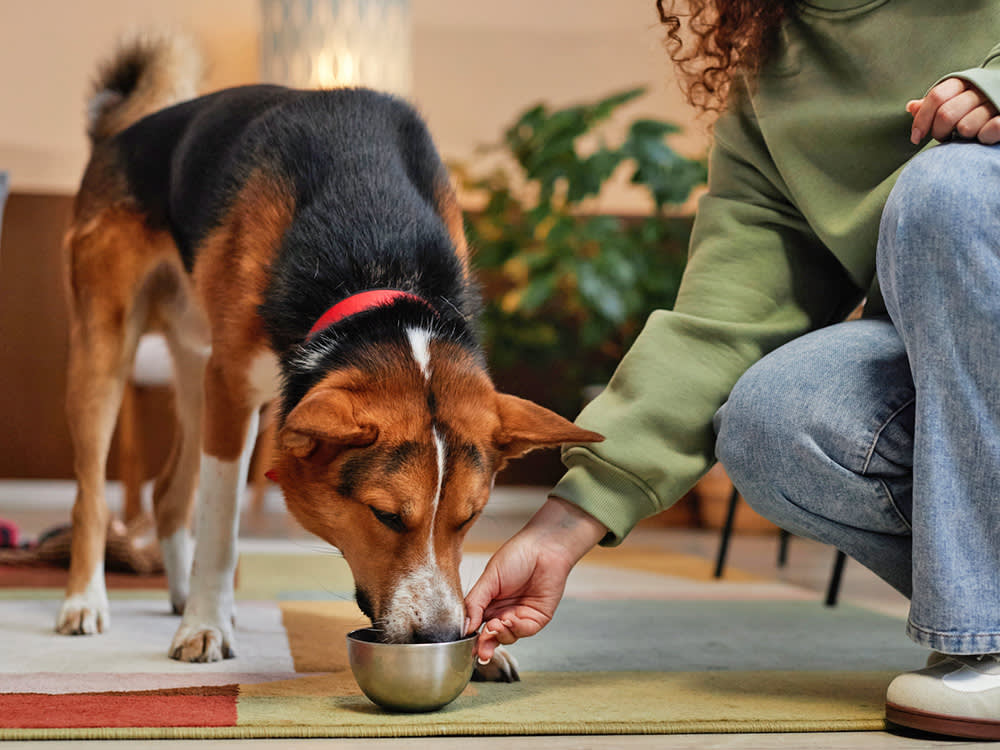 FoodWhy Adult Dogs Shouldn't Live on Puppy Food Comes Down to One MineralDr. Lena Park · 8 min
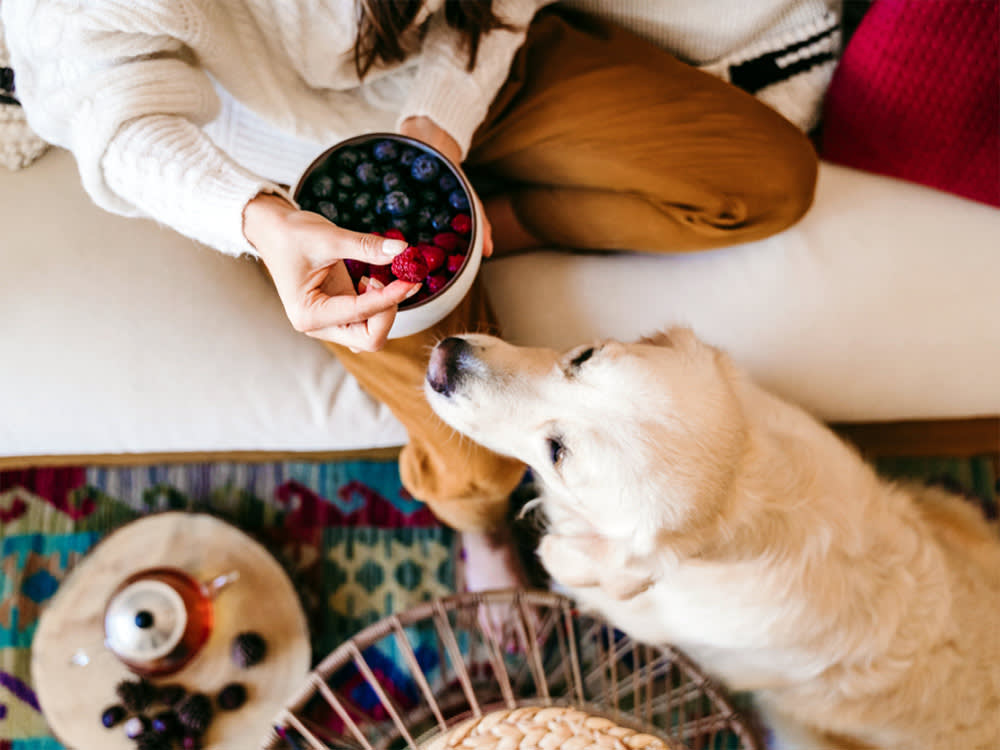 FoodThe Xylitol in Raspberries Sounds Scary. The Math Says Feed Them AnywayDr. Mara Chen · 6 min