


Your Dog Really Does Have a Best Friend. The Science Backs It.
That one dog your pup lights up for at the park isn't a coincidence. Dogs form genuine preferred bonds, and there's brain chemistry underneath the tail-wagging.

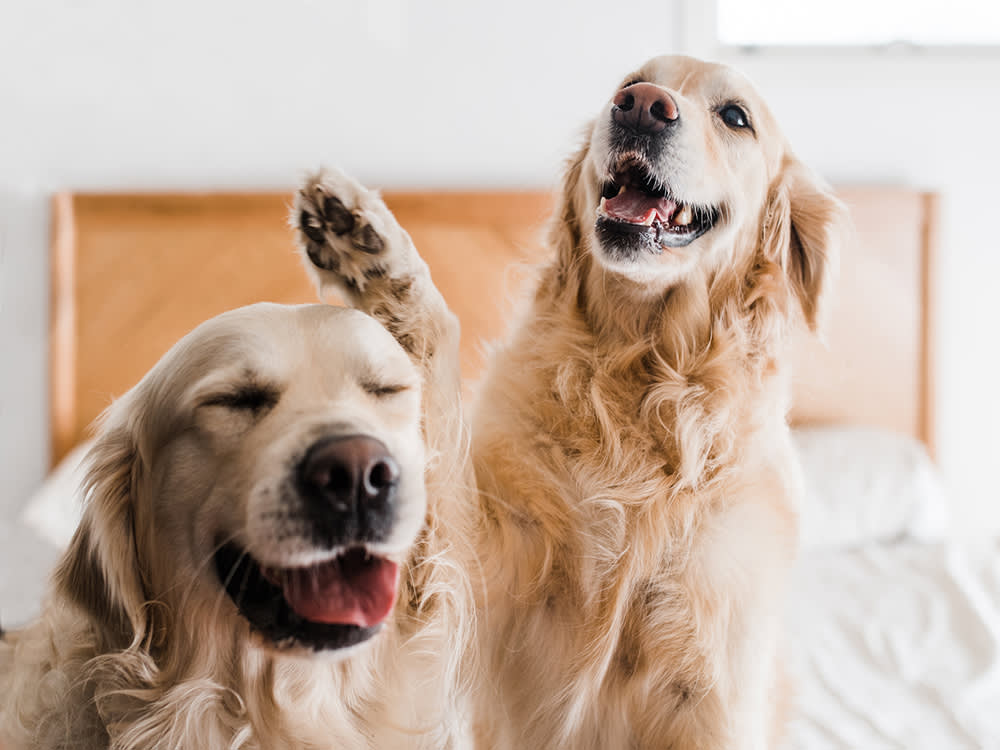
There is a dog at your park your dog loves. Not tolerates. Loves. They spot each other across the grass and the whole body changes, and for the next twenty minutes nothing else exists. You have probably wondered if you are imagining it, projecting a human friendship onto two animals sniffing each other. You are not. Dogs really do pick favorites, and there is now enough science to say so without flinching.
The honest framing matters here, because the truth is more interesting than either extreme. Dogs are not forming friendships identical to ours, with shared secrets and mutual sacrifice. But they are also not indifferent social vending machines who treat every dog the same. The reality sits in between, and it is worth understanding, because it changes how you think about your dog’s social life.
Not quite human friendship
Scientists have spent years documenting play and bonding in dogs, and they are careful with the word “friendship.” Studies note that dogs form “friendship-type” relationships and have “preferred canine companions,” but that these bonds lack the steady loyalty, the give-and-take, and the mutual protection you see in animals like chimpanzees and dolphins. Science writer Carl Zimmer, reviewing that literature, reached a deflating-but-honest verdict: the “best friend” label oversells what dogs really form, with us or with each other — which takes nothing away from how warm and devoted they are as companions.
That sounds deflating until you flip it. The point is not that dogs feel nothing. It is that they feel something real that simply is not the human version.
People hear ‘it’s not true friendship’ and assume that means it’s nothing, and that’s the wrong takeaway entirely. What we see is a dog who consistently chooses one particular companion over all the others in the room. That’s a preference with weight behind it, and pretending it’s random does the dog a disservice.
The chemistry underneath
Here is the piece the old “dogs just like everyone” story leaves out. Bonding in dogs is not only behavioral, it is chemical, and researchers have measured it. In work published in the Proceedings of the National Academy of Sciences, dogs given oxytocin, the same hormone tied to social bonding in humans, initiated play more often, played longer, and directed more affiliative, approaching behavior toward both their people and their dog partners than dogs given a placebo. And crucially, the dogs’ own oxytocin levels rose after they engaged in friendly contact with a dog partner.
In plain terms: when your dog plays with a dog they like, their body releases the bonding hormone, which makes them want more of that dog. That is the biological signature of a relationship forming, and it is the same machinery that underlies attachment across mammals. The “best friend” at the park is not a story you are telling yourself. It is a loop of behavior and chemistry reinforcing itself.
More like extended family than a spouse
A useful way to picture these bonds is not “best friend forever” but “close relative you see often.” Your household, human and animal, is your dog’s primary pack. The dogs they see regularly and adore become something like extended family, the nieces and nephews who do not live with you but who everyone is genuinely glad to see. They are featured players, not primary cast, and that is not an insult. Those relationships can still run deep enough that dogs grieve a lost companion or move to help one they sense is in trouble.
And no, a dog having dog friends does not dilute their bond with you. They still seek you out and adore your company. It was never one or the other. Access to dog friends tends to make dogs happier, and happier dogs make better companions at home. Everyone wins.
The real benefits
The case for helping your dog build these bonds is practical, not just sweet. Friendship is well documented to support mental and physical health in people, and while the canine research is thinner, the everyday benefits are visible. Dog friends tire each other out, stimulate each other’s bodies and minds, and can offer a genuine alternative to a kennel or a long day home alone: many bonded dogs happily visit each other’s homes. A steady companion can even provide stability when a dog’s world gets shaken up, like the loss of another pet in the household.
How to help your dog find their person
Socialization is the foundation. The critical window runs roughly from three to sixteen weeks of age, and gently exposing a puppy to different dogs, people, and settings during that time lowers the odds they grow into a fearful adult. If you adopted an adult who is shy, do not despair, you can still help. Try a variety of parks and small meetups and pay attention to where your dog actually relaxes and has fun.
Two rules make the difference. First, read the room: watch for dogs who turn territorial or pushy, and if a space is dominated by one, move on to another. Second, never force it. Let your dog approach and, just as importantly, reject other dogs on their own terms. You would not have warmed to a friendship your parents shoved on you either. Give your dog the same courtesy, and let them find the one they light up for.
Common questions
Can dogs have a best friend?
Yes. Dogs form stable, preferred bonds with specific individuals, seeking them out, playing longer with them, and staying close. Researchers are careful not to call it 'friendship' in the human sense, but the preference is real and measurable.
Do dogs miss their dog friends?
They can. Dogs may grieve the loss of a companion animal they were bonded to, showing changes in appetite, sleep, and activity, which suggests the relationship mattered to them.
How do I help my dog make friends?
Socialize early if you can, ideally between three and sixteen weeks, and as an adult, let your dog set the pace. Try different parks and small meetups, watch for a dog they click with, and never force an interaction.
Dr. Solis is a board-certified veterinary dermatologist with over twelve years of clinical experience. She advises on skin conditions, allergies, and grooming practices that affect coat and skin health. All dermatology and allergy content at The Pet Times is reviewed by her team before publication.
Meet our experts ↗Keep reading
 LivingA 'Soul Dog' Isn't Magic. It's Fluency, and You Can Build It.Jordan Ellis · 8 min
 Health & WellnessA Loose Dog Is Charging You. Your Instincts Are Wrong.Dr. Nina Kohl · 6 min
 TrainingYour Dog Isn't Reading Your Face. They're Reading Your Hand on the Leash.Dr. Lena Park · 8 min
 TrainingScientists Found What Makes a 'Genius' Dog. You Can't Train It In.Nina Vasquez · 5 min
 TrainingSome Dogs Sort Their Toys the Way a Toddler WouldDr. Amara Solis · 6 min
 TrainingYour Dog Has a Favorite Person. Here's How to Make Sure It's You.Dr. Mara Chen · 8 min