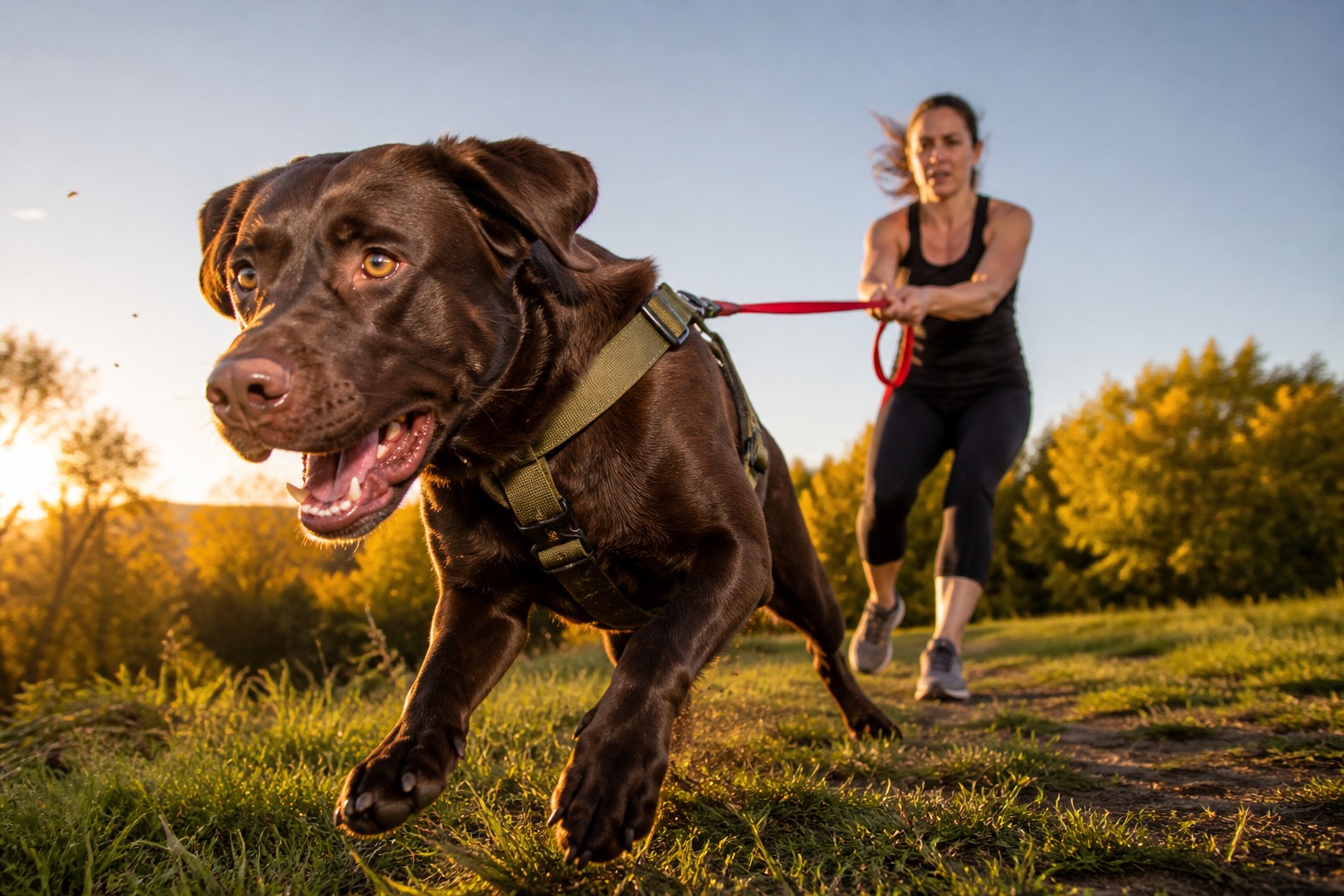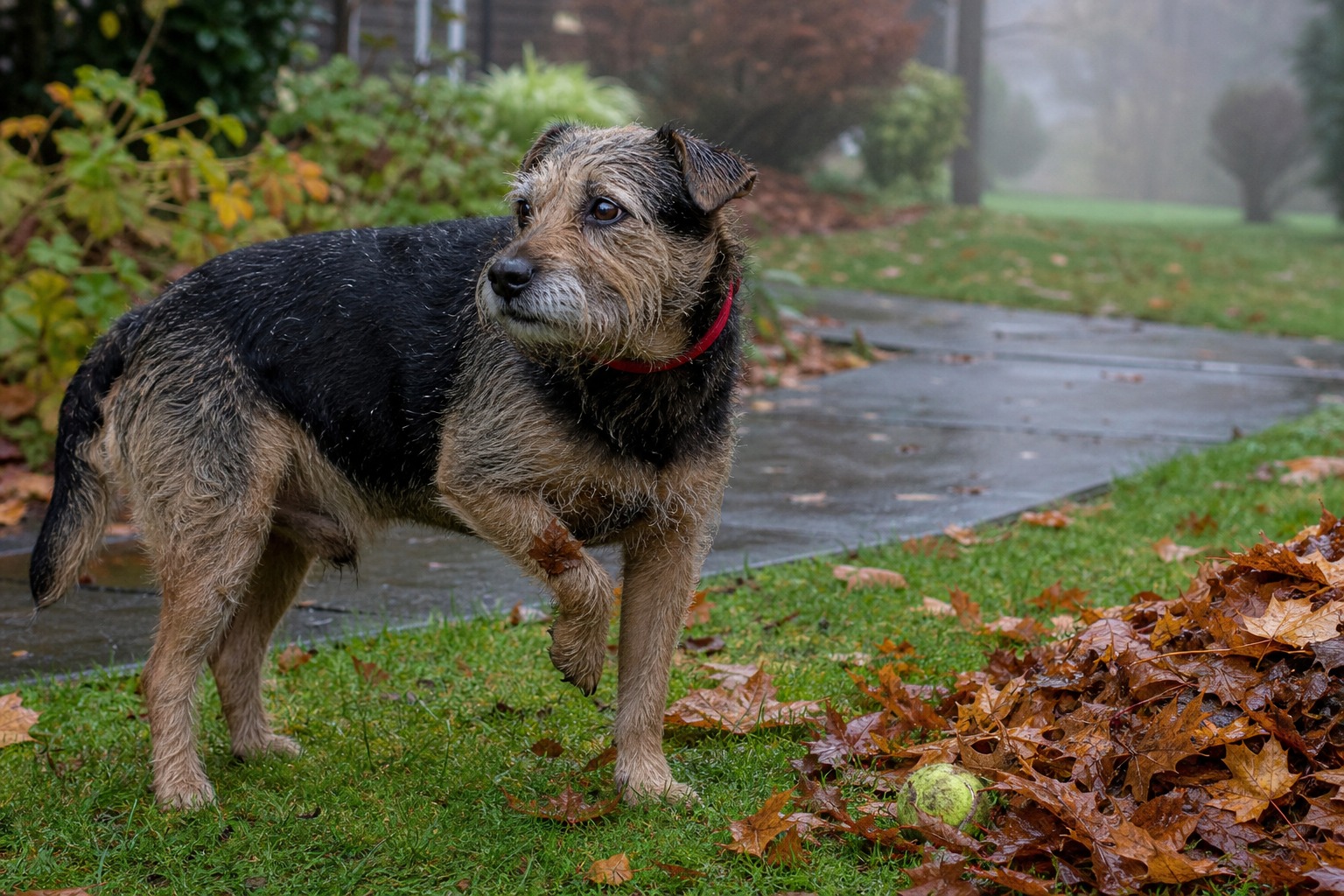

Your dog comes out of the groomer transformed: trimmed, fluffed, smelling of lavender, and walking like they own the building. The chest is out, the tail is up, the energy is unmistakable. They look good and, you’d swear, they know it. And on the days the cut goes badly, the opposite, the slunk shoulders, the hanging head, the dog who seems quietly humiliated.
It’s one of the most relatable things we project onto pets. It’s also, according to the people who study animal cognition, not what’s happening at all, because the strut requires an ability your dog simply doesn’t have. But stay with this, because the real explanation isn’t a letdown. It’s that your dog is doing something more impressive than admiring themselves in the mirror. They’re reading you.
Step one: your dog can’t picture themselves
For vanity to exist, an animal first has to know what they look like. And dogs, as far as the science can tell, don’t.
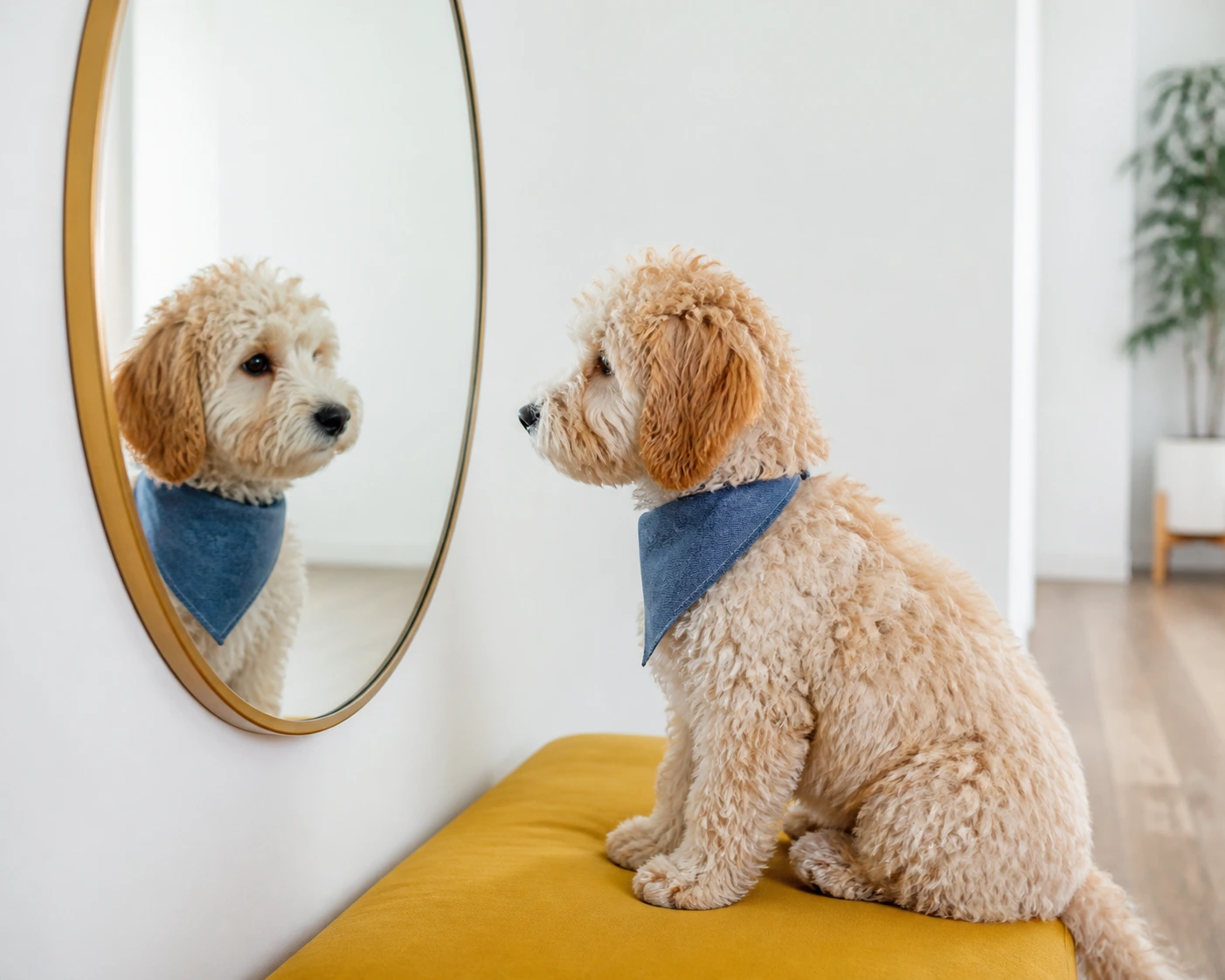
“Dogs don’t visually recognize themselves in a mirror,” says certified canine behavior consultant Marcus Webb. This is the crux. The classic test of self-recognition, the “mark test,” checks whether an animal, seeing a mark on its body in a mirror, understands the reflection is them and investigates the mark on its own body. Dogs reliably fail it. They may bark at the reflection, ignore it, or treat it as another dog, but they don’t grasp that the dog in the glass is them. Cats fare no better.
Without that, the whole edifice of caring-how-you-look collapses. “If a dog can’t know what they look like, they certainly can’t judge it as beautiful or ugly,” Webb says. “And even if they somehow could, why would their standard match ours?” He has a point that cuts deeper than it first seems. As animal behavior specialist Claire Sutton notes, even humans don’t share a single objective standard of beauty, “so the idea that a dog would independently arrive at our aesthetic preferences doesn’t hold up. Dogs feel real emotions, joy, fear, affection, even love, but the research suggests their emotional range is more limited, closer to a young toddler’s. They don’t appear to experience the self-referential ones, like embarrassment, pride, or shame.” And pride is the exact ingredient a strut-of-vanity would require.
There’s also the matter of which sense a dog leads with. “Dogs are scent animals first,” Webb says. “When one dog is drawn to another, they’re responding to smell and biology, not to how the other dog looks. Appearance barely figures into a dog’s world the way it dominates ours.” The mirror is, to a dog, mostly irrelevant furniture.
Step two: so what’s the strut?
If it isn’t pride in the haircut, what’s powering that confident exit from the salon? Two things, and neither is vanity.
The first is plain relief and physical comfort. “That burst of energy is usually about the experience being over, or about feeling physically better, lighter, cooler, free of mats,” Webb says. Grooming is stressful for a lot of dogs, and pent-up stress tends to discharge as the zoomies. “Dogs release that built-up tension through hyperactive, playful behavior, and we look at it and call it ‘showing off.’ But showing off isn’t a thing dogs do. We’re narrating their relief as vanity.”
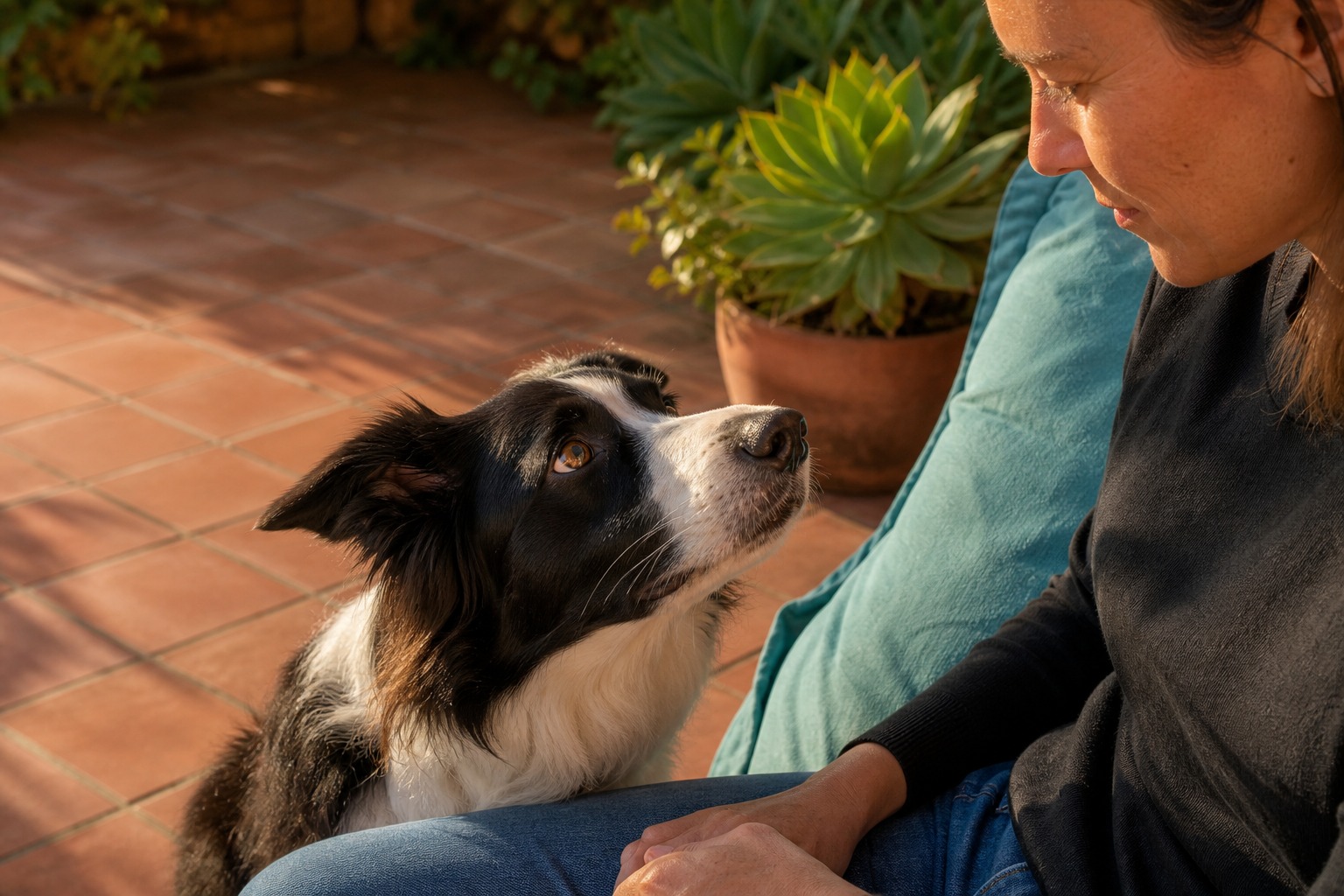
The second, and this is the good part, is you. Dogs are exceptional readers of human emotion. “Dogs pick up our posture, our movements, our tone of voice, even our facial expressions, smiles, frowns,” Sutton says. “And they don’t just observe it, they catch it. There’s solid evidence dogs feel a form of empathy and mirror our emotional states.” So when your freshly groomed dog trots out and you light up, delighted, cooing, beaming, your dog absorbs that and feels good, and acts good. Flip it around: if you’re visibly unimpressed by a bad cut, your dog reads the disappointment and mirrors that instead. “The dog doesn’t know they have a ‘bad haircut,’” Sutton says. “They know you seem off, and they respond to that.”
In other words, the strut is real, you’re just misattributing the author. Your dog isn’t admiring the cut. Your dog is reflecting your reaction to it. The vanity in the room is yours, generously loaned to a creature who can’t have it.
And the dog who seems genuinely down afterward?
Sometimes a dog really does come home subdued, and it’s worth knowing it’s still not about looks. “If a dog seems low after grooming, the likeliest culprit is smell, they often dislike whatever fragrance got put on them,” Webb says. Two other explanations: “After a close shave or a thorough comb-out, there can be sore spots or skin irritation, so they’re avoiding touch, not sulking. And if the appointment itself was stressful, their stress hormones need a while to drain back to baseline.” None of that is shame. It’s a nose, a body, or a nervous system recovering, which calls for patience, not reassurance about their appearance.
What about cats?
The cat verdict is even more emphatic. “Nothing in the research suggests a cat gives any thought to how it looks,” says feline behavior consultant Leila Torres. “Human appearance-anxiety is largely social, and a cat’s social world simply does not grade on looks.” They also, she notes, lack the cognitive machinery to evaluate their own looks, and “we don’t think cats understand mirrors either, so it’s hard to be vain about a self you can’t even conceive of.”
Which raises the obvious counterexample: those videos of cats given lion cuts looking utterly mortified. “Cats can’t feel embarrassment,” Torres says flatly. “What you’re seeing is a cat responding to the humans, who are probably acting strangely and laughing, or to a stressful grooming session they just survived, or to being shoved back in a carrier. The cat is working out whether they need to flee, not whether they look ridiculous.” Same misread as the dog strut, in reverse: we see a haircut and a facial expression and write a story about self-image onto an animal who isn’t in that story.
Grooming still matters, just not for the reason you think
None of this means skip the groomer. It means re-aim your reasons. Grooming is about comfort and health, not aesthetics. Matted fur is genuinely painful for cats and can damage the skin underneath, leading to infections and other problems, so maintaining a coat is real care, even if you’re the only one in the household who appreciates the fluffy results.
And honestly, the best thing about pets being immune to appearance is that the immunity runs both ways. They don’t care how you look either. Skip the shower, wear yesterday’s sweatpants, let your hair do whatever it’s doing. As far as your dog or cat is concerned, you look perfect. They just want dinner, and a person who seems happy, which, it turns out, is the only mirror they’re really watching.