


The Real Reason Dog People Know Everyone on the Block
A new study out of Japan found dog owners are more woven into their neighborhoods than non-owners. The interesting part isn't that dogs make friends. It's the very specific kind of tie they build, and why it does more for your sense of belonging than a friendship would.
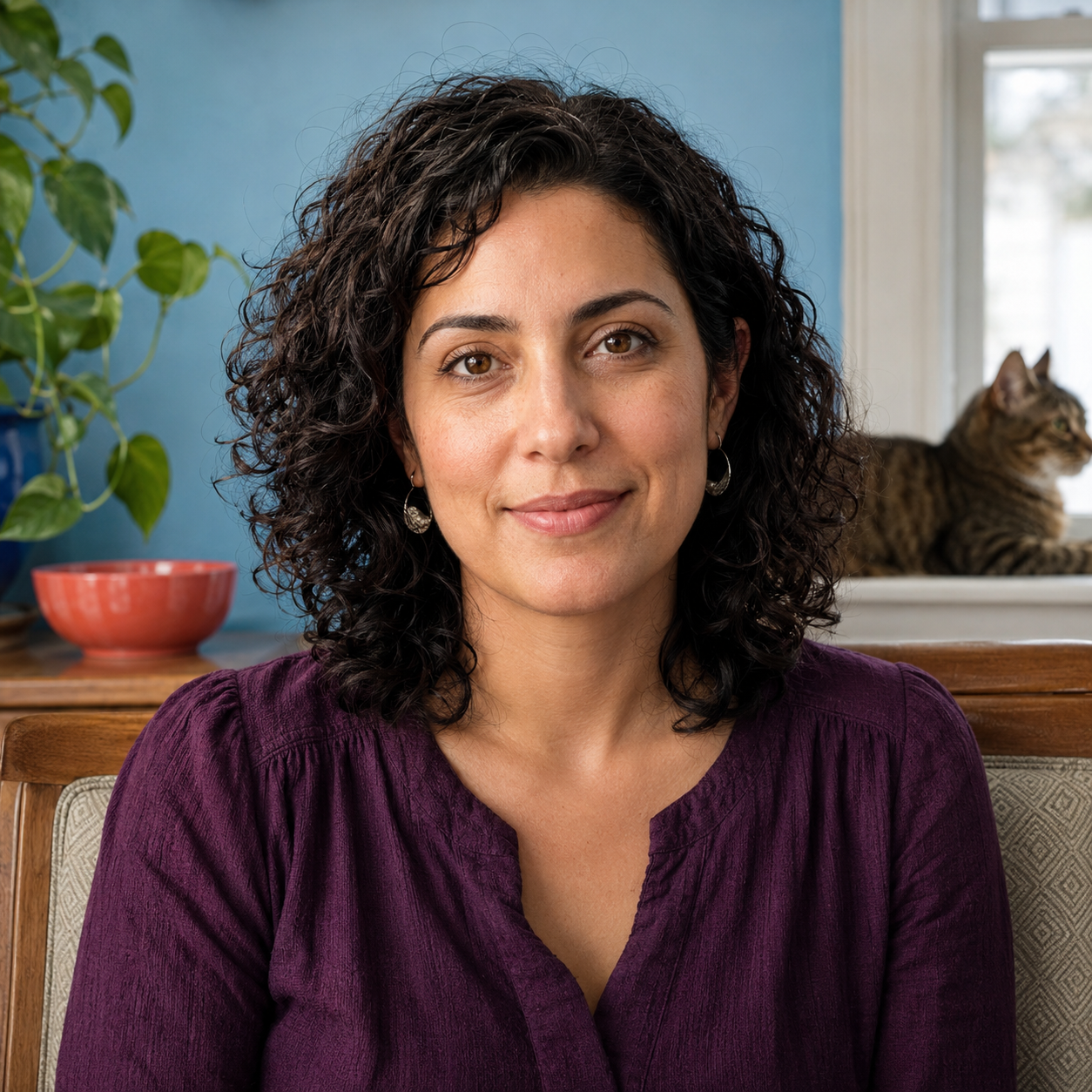
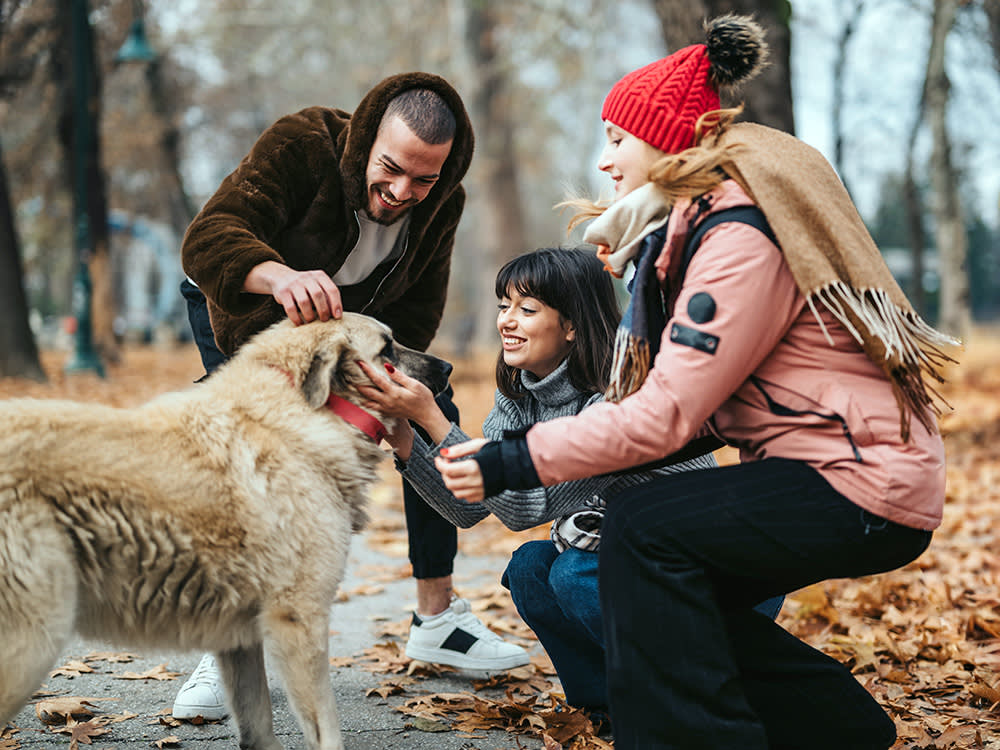
If you have a dog, you probably know a strange thing about your neighborhood: you recognize a dozen people you’ve never actually met. The woman with the two greyhounds. The older man who’s always on the corner at 7 a.m. The kid whose golden retriever loses its mind with joy every single time. You don’t have their phone numbers. You might not know their names. But you’d notice if they stopped showing up.
A study published in PLOS ONE put a name to that quiet web of near-strangers, and found that it may be one of the most underrated benefits of living with a dog. Owning a dog, the researchers found, is strongly linked to feeling like you belong where you live, and the reason is more specific and more useful than “dogs are good icebreakers.”
What the researchers actually looked at
A team led by Dr. Itaru Ishiguro at Rikkyo University, working with colleagues at Azabu University, surveyed 377 adults in the suburbs of Tokyo, recruited through posters, community events, and dog-owner groups. They compared people with dogs and people without on three different flavors of neighborly connection, and the distinction between those three is the whole point of the study.
The first is the brief, spontaneous chat, the “nice morning” exchanged in passing. The second is a close neighborhood relationship, the kind that edges toward friendship. The third is what the researchers call an “anchored relationship,” and it’s the one that turned out to matter most.
The “anchored relationship” is the secret ingredient
An anchored relationship is a connection rooted in a shared place, time, or activity rather than in personal closeness. It’s the barista who knows your order, the regulars at the same morning bench, the faces you see because you’re both reliably in the same spot doing the same thing. You’re bonded by the routine, not by having become friends.
Dogs, it turns out, are anchored-relationship machines, and the researchers predicted exactly that going in. A dog needs walking, walking tends to follow a route, and a route means you pass the same parks and the same corners at roughly the same times. Do that daily and you start running into the same people, over and over, until recognition quietly turns into a nod, then a chat, then a genuine sense that these are your neighbors. Two dogs in the mix raises the odds even more, because the dogs themselves break the ice, greeting each other and pulling their humans into a conversation that would never have started otherwise.
The magic here isn’t charisma, it’s repetition. A dog drops you into the same place at the same time day after day, and that steady, low-stakes contact is exactly what turns a street full of strangers into a place that feels like yours.
What they found
People with dogs reported more anchored relationships and more of those brief, incidental chats than people without dogs. And the anchored relationships did real work: they were tied to a stronger overall sense of community, and they were more likely than passing chats to be experienced as genuine neighborly ties and to build feelings of trust.
In other words, the daily walk wasn’t just producing hellos. It was producing the specific kind of repeated, place-based contact that people actually register as belonging.
The honest limits
Worth being clear-eyed here, because the researchers were. The anchored relationships dogs foster didn’t tend to deepen into close friendship. People connected by the morning walk mostly weren’t swapping numbers or visiting each other’s homes. This is belonging of a particular texture: wide, warm, and shallow rather than intimate.
The study also has real boundaries. It covered one specific region of Japan, so it doesn’t automatically describe the rest of the world. And because it relied on a survey, people who already felt tied to their community may have been more inclined to take part, which can nudge the results. Correlation isn’t proof that the dog caused the connection.
What newer research adds
This study slots into a fast-growing body of work on dogs and human wellbeing, and the through-line is consistent: the benefits of dog ownership are often social, not just emotional. Other research has linked spending time with dogs to lower stress and even measurable changes in brain activity when people pet them, and large public-health reviews keep pointing to companion animals as a support for mental and physical health. What the anchored-relationship idea adds is a mechanism, a concrete explanation for how a dog translates into a feeling of community: not through the dog’s charm, but through the humble structure of a daily route.
How to actually use this
If you want the community perk and not just the exercise, lean into the routine instead of fighting it. Walk roughly the same loop at roughly the same time. Say hello to the regulars before you have any reason to. Let your dog do the introducing at the park; that’s literally their strongest skill. The point isn’t to manufacture best friends. It’s that a handful of reliable, place-based nods can make a neighborhood feel like home, and your dog will drag you out to collect them whether you’re in the mood or not.
References
- Ishiguro, Itaru, et al. “Dog Ownership and Neighborhood Social Ties: The Role of Anchored Personal Relationships.” PLOS ONE, 2025. https://journals.plos.org/plosone/article?id=10.1371/journal.pone.0336957
- Powell, Lauren, et al. “Companion Dog Acquisition and Mental Well-Being: A Community-Based Three-Arm Controlled Study.” BMC Public Health, vol. 19, 2019, article 1428. https://bmcpublichealth.biomedcentral.com/articles/10.1186/s12889-019-7770-5
Nina Vasquez writes about life at home with pets and the relationships at the heart of it. Her work covers day-to-day living, people-and-pet stories, and the products that fit into a real household, with a warm, grounded take on everyday pet ownership.
Meet our experts ↗Keep reading
 LivingHe Took a Puppy Out of an Abuser's Hands. A Cop Watched and Shrugged.Nina Vasquez · 6 min
 LivingHow a Pug Named Ziggy Helped Cake Artist Alana Jones-Mann Find Her Joy AgainNina Vasquez · 6 min
 LivingPenny Survived Abuse, Lost a Leg, and Still Won the Dog LotteryNina Vasquez · 3 min
 LivingNetflix Gave Queen Charlotte Her First Pomeranian. History Says She Brought Her Own.Sasha Ford · 6 min
 LivingThe Kelces Lost Two Wolfhounds in Two Years. That's the Deal With Giant Dogs.Sasha Ford · 6 min
 LivingYour Dog Isn't Upset When You Argue. They're Trying to Stop You.Jordan Ellis · 6 min