


The Summer Dog Mistake That Lands Pups in the ER
Heat risk isn't the same for every dog, it clusters by body type. Here's the honest tier list of which dogs overheat fastest, the shaving myth that makes it worse, and the red-line symptoms that mean vet, now.

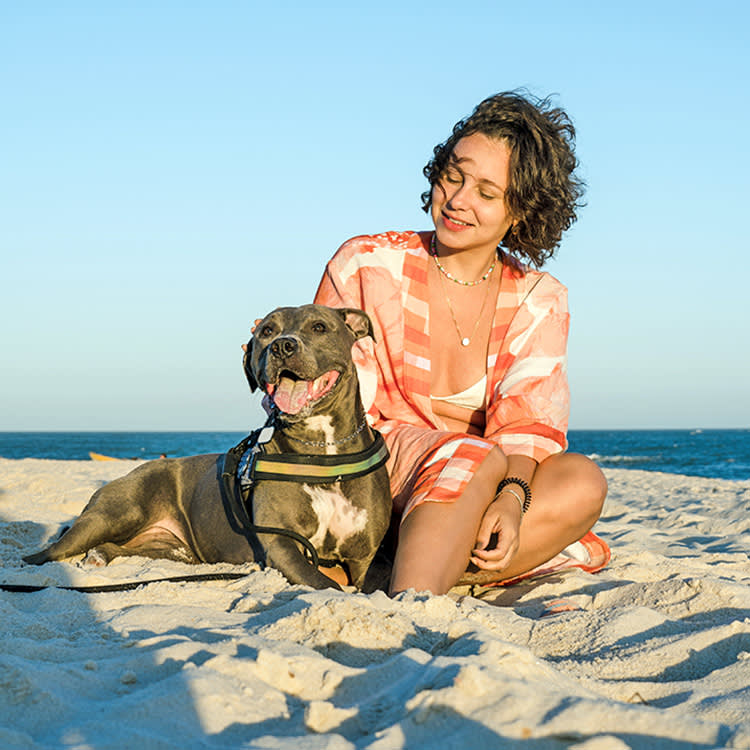
Your dog is a terrible judge of their own limits in the heat. It’s ninety degrees, they’re panting like a freight train, and they’re still hauling you forward on the leash, absolutely certain they can do another twenty minutes. This is one of those moments where love means saying no, because a dog will happily run itself into heatstroke, and it’s your job to be the adult about it.
But here’s the thing most summer-safety advice gets wrong: it treats every dog the same. It doesn’t work that way. Heat risk clusters by body type, and if you know which category your dog falls into, you can skip the generic tips and protect against the specific thing most likely to hurt your dog. So instead of a random parade of breeds, this is a tier list, from the dogs in the most danger to the ones who just need common sense, plus the one mistake that quietly makes summer worse for a huge number of dogs.
First, the part that applies to all of them.
How dogs actually cool down (and the red lines)
Dogs barely sweat. They shed heat mainly by panting, which is far less efficient than a human’s full-body sweat system, and that single fact is why heat hits them harder and faster than it hits you. Anything that interferes with panting, a squashed airway, a heavy coat, a hot enclosed space, tips a dog toward crisis quickly.
Learn these warning signs before summer starts, because minutes matter. Early overheating looks like heavy panting, drooling, weakness, bright red or pale gums, a rapid heartbeat, and disorientation. Full heatstroke is worse and is a true emergency: extremely rapid breathing, collapse, seizures, a body temperature above 104°F (40°C), unresponsiveness, and pale, tacky gums. If you see the heatstroke signs, start cooling your dog with room-temperature (not ice-cold) water and get to a veterinarian immediately. And the non-negotiables for every dog, every summer: a parked car is off-limits, always, and no hard exercise while the sun is at its peak.
Heatstroke isn’t a slow build you can watch and manage, it can turn from panting to an emergency in minutes, especially in flat-faced and double-coated dogs. I’d rather an owner cut a walk short a hundred times for nothing than push through once and end up in my exam room.
Tier 1: highest risk, the flat-faced dogs
If your dog has a short, pushed-in face, this is you, and you need to treat heat as a genuine hazard, not an inconvenience.
French Bulldog. America’s most popular breed is also one of its most heat-vulnerable. That adorable flat face means a compromised airway, and Frenchies struggle to breathe efficiently in hot, humid weather, which is exactly when they most need to pant. Keep the AC running for them, keep them hydrated, and allow no intense activity in the heat at all. Even short walks call for close monitoring.
Pug. Everything true of the Frenchie is true of the Pug, another brachycephalic breed whose charm comes packaged with a narrow airway. Pugs overheat fast and can’t cool themselves well, so they belong indoors in the AC on hot days, with only brief, gentle outings in the cool hours. Watch for any change in breathing effort.
Boxer. Boxers are athletic and don’t look as compact as a Pug, which fools people, but they’re brachycephalic too, and their drive to play can outrun their ability to cool down. In the heat, cap the intensity, favor early-morning and evening activity, and don’t let a Boxer’s enthusiasm talk you into a midday game of fetch.
Tier 2: the double-coated dogs, and the shaving trap
These dogs carry a dense two-layer coat built for insulation. They can absolutely enjoy summer, but they overheat if you’re careless, and there’s one mistake that makes it dramatically worse.
Do not shave a double-coated dog. This is the single biggest summer error owners make with these breeds. That coat insulates against heat as much as cold, and it protects the skin from the sun. Shave it and you expose the skin to sunburn, raise the risk of heat stress, and often cause the coat to grow back patchy and less effective. The right move is regular brushing to strip out the loose undercoat, which improves airflow without stripping the protection.
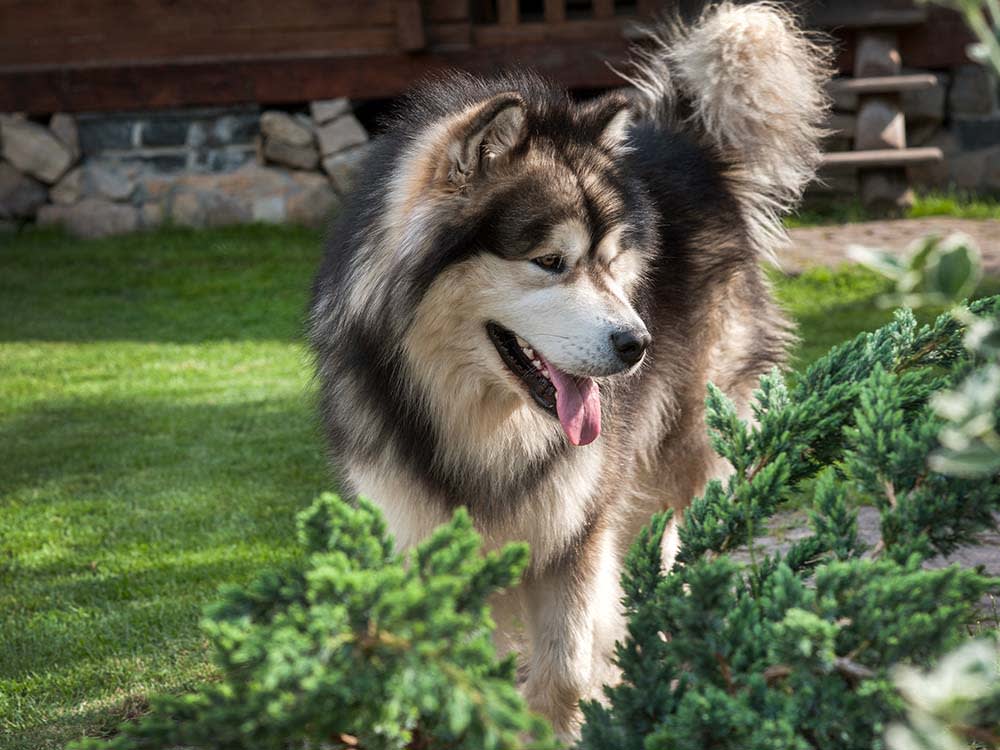
Siberian Husky. Built for the Arctic, Huskies are highly prone to overheating in summer. Give them cool environments and plenty of shade and water, exercise them early or late to dodge the midday peak, and never, ever shave that double coat.
Corgi. Herders at heart, Corgis love activity, but once temperatures climb past about 85°F they start to feel uncomfortable despite that insulating coat. Keep them in a temperature-controlled space as much as possible, find shade outdoors, and reach for a cooling vest. Read their posture and panting for overheating cues, and if you can’t tell, take their temperature.
Shiba Inu. Another dense double coat that traps heat, so Shibas need close monitoring for overheating and heat exhaustion. Skip the shave, brush regularly for airflow, and be alert on warm days.
Australian Shepherd. Aussies are high-energy and highly intelligent, and if you cut their exercise for the heat without replacing it, they get destructive. The fix is to swap physical exertion for mental work: exercise early and late, then run indoor training games and enrichment so their brains stay busy while their bodies stay cool. A cooling vest helps for longer stretches outdoors.
German Shepherd. Working dogs who thrive on a job, GSDs can turn sluggish in the heat and may lose their appetite. Support them with hydrating, easily digestible food and cooling ingredients to keep them nourished and hydrated, and adjust their workload down on hot days.
Tier 3: the body-shape and size risks
These dogs don’t have flat faces or heavy coats, but their build or size creates its own summer weak points.
Dachshund. Being low to the ground puts a Dachshund right in the heat radiating off pavement and other surfaces, so they absorb more of it than a taller dog. Walk them on grass or shaded paths, and watch short-haired or light-coated Dachshunds for sunburn.
Chihuahua. Tiny dogs are poor at holding a steady internal temperature, the same reason they shiver into sweaters in winter and, less obviously, why they cook in summer. In the heat, keeping them cool is the whole assignment. Skip the hottest hours, give them a chilled mat or a shallow kiddie pool to retreat to, and mind those tiny paws, if the ground burns your hand, it burns them, so paw wax earns its place.
Golden Retriever. Bred to swim, Goldens are drawn to any body of water they can find, but two features turn that into a summer liability: a thick, water-shedding coat and heavy hanging ears, a combination that invites hot spots and ear infections. Towel them off well after every swim, get right inside the ears, keep to a regular ear-cleaning routine so moisture doesn’t sit, and hold the line on tick-and-flea prevention, because a long coat is a great hiding place for parasites.
Labrador Retriever. Labs share the Golden’s water love and dense coat, plus a famous, genetically driven appetite that makes many of them overweight, and extra weight is its own heat-stress risk. Keep a Lab lean going into summer, dry them well after swims, watch the ears, and don’t let their bottomless enthusiasm for fetch override your judgment on a hot day.
Pit Bull-type dogs. These dogs have real energy and need mental enrichment to stay happy, so heat forces a trade-off. Plan outdoor activity for early morning or later evening when it’s cooler, and watch closely for excessive panting, weakness, or disorientation. On hot days, burn off energy with indoor games or play in shaded parts of the yard instead of pushing through the heat.
My dog’s body type isn’t listed. Now what?
The tiers cover the common cases, but the rules generalize. Match your dog to the closest category: flat face means treat heat as a hazard, heavy double coat means never shave and brush instead, low or tiny body means mind the pavement and thermoregulation, dense coat plus water love means dry the ears. Beyond that, the universal rules carry the day: never leave a dog in a hot car, avoid exercise in the peak heat, keep water and shade available, and learn the overheating and heatstroke signs cold so you can act fast. When in doubt on a hot day, the safest walk is often the one you don’t take.
What’s new this season
Summers are trending hotter and the risky stretches are getting longer, which is nudging veterinary guidance toward more caution, not less: more emphasis on avoiding midday activity entirely during heat waves, and on watching brachycephalic dogs especially closely as extreme-heat days pile up. Warmer, longer seasons are also extending tick and flea activity, so year-round parasite prevention matters more than the old spring-to-fall calendar suggested, another reason to keep those long-coated dogs on a steady prevention plan. The core advice hasn’t changed. There’s just more summer to get through, and less room to wing it.
References
- American Veterinary Medical Association. “Warm Weather Pet Safety.” https://www.avma.org/resources-tools/pet-owners/petcare/warm-weather-pet-safety
- American Kennel Club. “Brachycephalic Dog Breeds and Heat: What Owners Should Know.” https://www.akc.org/expert-advice/health/brachycephalic-dogs-and-heat/
- Hall, Emily J., et al. “Incidence and Risk Factors for Heat-Related Illness (Heatstroke) in UK Dogs Under Primary Veterinary Care in 2016.” Scientific Reports, vol. 10, 2020, article 9128. https://www.nature.com/articles/s41598-020-66015-8
Common questions
How hot is too hot for a dog walk?
Adjust by dog, but as a rule avoid exercise during the hottest part of the day and use the pavement test: press the back of your hand to the ground for seven seconds. If it's too hot for your skin, it's too hot for their paws. Flat-faced and double-coated dogs need the most caution, sometimes staying in on very hot days.
What are the warning signs of overheating in a dog?
Watch for heavy panting, drooling, weakness, bright red or pale gums, a rapid heartbeat, and disorientation. Heatstroke is more severe: extremely rapid breathing, collapse, seizures, a body temperature over 104°F (40°C), and unresponsiveness. Heatstroke is an emergency, cool the dog and get to a vet immediately.
Not a substitute for your vet. Our guidance is educational. For urgent symptoms, contact a vet or emergency clinic right away. Editorial standards
Dr. Solis is a board-certified veterinary dermatologist with over twelve years of clinical experience. She advises on skin conditions, allergies, and grooming practices that affect coat and skin health. All dermatology and allergy content at The Pet Times is reviewed by her team before publication.
Meet our experts ↗Keep reading
 TrainingThe 'Invisible Fence' Isn't a Fence. That's the Whole Problem.Dr. Amara Solis · 7 min
 Health & WellnessThe Summer Hazards That Actually Land Dogs at the Vet: 10 to WatchDr. Ravi Mehta · 10 min
 Health & WellnessStop Shaving Your Dog for Summer. Here's What It Actually Does.Dr. Nina Kohl · 5 min
 Health & WellnessNo One Regulates Lead in Dog Toys. Here Is How to Shop Around the GapDr. Nina Kohl · 5 min
 Health & WellnessSummer Grooming Isn't About the Haircut. It's a Health Check.Tom Hadley · 5 min
 FoodTo Your Dog, Spicy Food Isn't a Flavor. It's a Burn AlarmDr. Priya Nair · 9 min