


Your Dog's Teenage Months Are the Riskiest of Their Life. Here's How to Survive Them
Adolescence is when most dogs are surrendered, and science now shows why the phase is so hard. Here is what is happening in your dog's brain and body, and a playbook for keeping the bond intact.

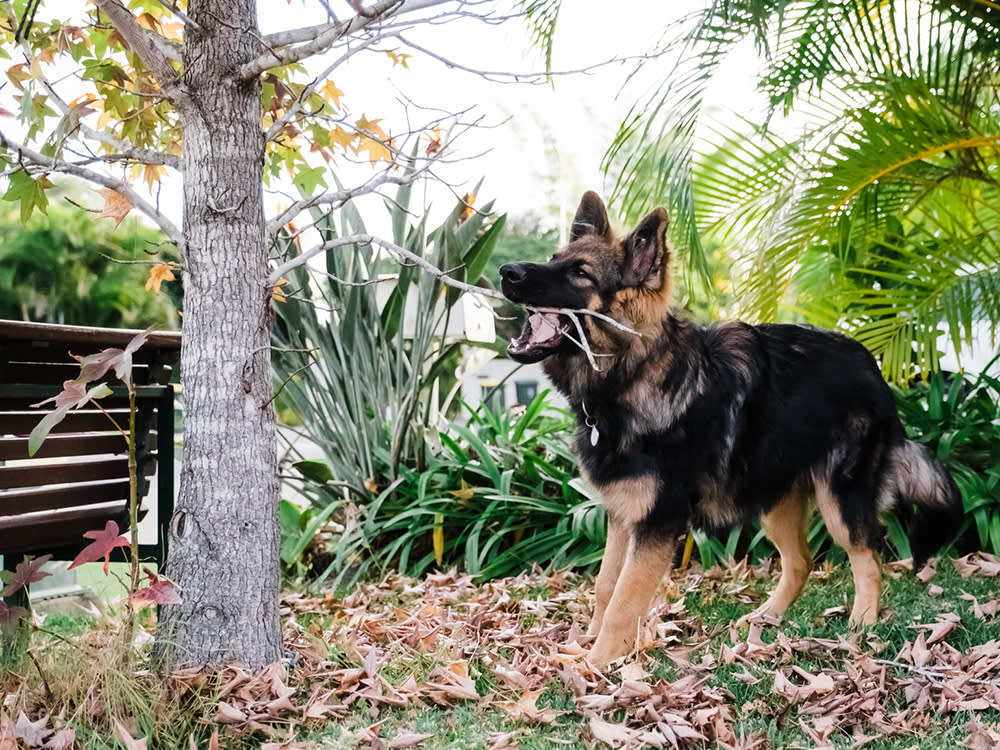
Here is the fact that should reframe how you think about your dog’s teenage months: adolescence is the single most common age at which dogs are surrendered to shelters. Not puppyhood, with its chewed shoes and 3 a.m. potty trips. Adolescence, the stretch from roughly six months to two years, is when the relationship gets tested hardest, and it is when too many people give up right before things get good again.
That is the stakes-raising part most “what to expect” guides bury. The behavioral changes of adolescence are not just inconvenient; they are the point in a dog’s life when the bond is most fragile, and how you respond over these months genuinely shapes the adult dog you end up with. The good news buried inside that warning is just as real: this phase is temporary, it is developmentally normal, and there is now solid science explaining exactly what is happening, which makes it far easier to ride out with your relationship intact.
The science caught up to what trainers always knew
For years, the “teenage dog” was a folk concept. Then researchers put numbers on it. A 2020 study published in Biology Letters tracked dozens of young dogs through puberty and found genuine evidence for an adolescent-phase behavior shift, including a measurable, temporary dip in trainability and responsiveness to their owner’s cues right around the onset of puberty. The dogs were not being defiant; they were moving through a developmental window, and the dip resolved as they matured.
The study turned up something even more striking about attachment. Dogs that scored higher on anxious or insecure attachment to their owners actually entered puberty earlier, around five months, compared with about eight months for more securely attached dogs. And the conflict behavior, the ignoring and the testing, was more pronounced in the dogs with less secure attachments. In plain terms: a calm, predictable, trusting relationship does not just feel nicer, it appears to smooth out the whole phase.
This matters because it flips the usual narrative. The adolescent dog who blows off your recall is not telling you the training failed or the bond is broken. They are telling you they are a teenager, and the research says your steadiness now is part of what carries them through.
“Owners read the cue-ignoring as betrayal, and it is the exact opposite,” says Dr. Nina Kohl, a veterinary behaviorist on our advisory roster. “An adolescent dog who tests you is a dog who feels secure enough to explore. The worst thing you can do is meet that with frustration, because frustration is the one thing the science says makes the phase harder.”
What is actually changing, and when
A dog’s life unfolds in fairly predictable stages. The first six to eight months are puppyhood. From roughly six to eight months until somewhere between 18 months and two years is adolescence. From there until about 75 percent of their expected lifespan, which varies by size and breed, they are adults; smaller dogs mature and age more slowly than giant breeds. The final quarter of life is the senior, or “gray hair,” years.
Adolescence is its own chapter, separate from and harder than puppyhood, even though puppyhood is the one that comes with potty messes and sleepless nights. The reason it blindsides people is that almost no one warns them it is coming, and the changes land right after the irresistible puppy stage. Here is what to expect, and why each one is normal.
Sudden independence
The shadow puppy who never left your side discovers the wider world. Adolescent dogs explore more, wander farther, and care less about keeping you in sight. It can feel like rejection, as if they suddenly need you less, or love you less. They do not. They have simply developed the confidence to follow their nose, which is exactly what a healthy young animal should do. Your dog loves and needs you every bit as much as before.
A maddening dip in responsiveness
This is the change the 2020 study put a name to. Cues your dog knew cold suddenly produce a blank stare. The flawless recall that once made you proud evaporates. You call “Come!” with treats ready and a chase game on standby, and get nothing, not even an ear twitch. The same dog who used to sit in a heartbeat now looks at you as if weighing whether they feel like it.
This is not a training failure and not a sign your dog has forgotten anything. It is a documented, temporary developmental dip. The work you put in earlier is not lost; it is waiting underneath. As the baseball player Earl Wilson once quipped, “Snow and adolescence are the only problems that disappear if you ignore them long enough.” The trick is to keep practicing without leaning on commands you cannot enforce, so you do not teach your dog that cues are optional.
A second fear period
As dogs near the one-year mark, many become temporarily more fearful. A previously confident dog may suddenly spook at people in hats or sunglasses, or bolt from a shrieking toddler running toward them. This is a developmentally normal fear period, the canine equivalent of a kid going through a phase of being scared of the dark.
“Most dogs pass through the fear period with no lasting effect, but what you do during it sticks,” says Dr. Nina Kohl. “Never force an introduction to something that scares them, stay relaxed yourself, and pair the scary thing with something wonderful, a great treat or a favorite toy. You are teaching their nervous system that the world is safe, and that lesson outlasts the phase.”
Other dogs start setting boundaries
There is a social shift too, and it is healthy. Many easygoing adult dogs indulge puppies, tolerating ear-nibbling, tail-grabbing, and toy theft with remarkable patience. That “puppy license” expires in early adolescence. The adult dog who let everything slide now issues a growl, a paw swat, or a gentle nip over the muzzle to say a behavior is no longer welcome. Your adolescent may be genuinely startled by the change, but it is one of the best things that can happen to them. A socially skilled adult dog teaching a youngster manners, firmly but never roughly, is an asset no human can fully replicate. The key word is gently: the adult should be guiding, never frightening or hurting.
We extend this kind of grace to humans automatically. When a baby grabs your earrings, you barely react; when a seven-year-old does it, you correct them, kindly and fairly. Dogs deserve the same calibrated patience as they grow up.
The survival playbook
Understanding the phase is half the battle. Here is how to actually get through it without damaging the relationship the science says is doing so much of the work.
-
Manage the environment instead of relying on obedience. When you cannot trust a cue, do not gamble on it. Use a long line on walks so a blown recall does not become a bolt into traffic. Keep your dog on leash or in a securely fenced space during the high-distraction months. You are not failing; you are stacking the deck so your dog cannot rehearse the behaviors you do not want.
-
Keep training sessions short, easy, and rewarding. Lower the difficulty. Go back to easy wins your dog can succeed at, in low-distraction settings, and reward generously. The goal is to keep the habit of working with you alive and pleasant, not to win battles you will lose.
-
Protect the recall above all else. Never call your dog to do something they dislike, and never punish a dog who comes back late, because that teaches them returning is a bad idea. If you cannot guarantee a response, do not give the cue; go get them instead. A reliable recall is the one skill worth guarding most carefully through these months.
-
Pour energy into enrichment, not just exercise. Adolescent brains are busy and easily bored, and a bored teenager invents their own entertainment, usually destructive. Sniff walks, food puzzles, scatter feeding, training games, and chew outlets drain mental energy far more effectively than another lap around the block.
-
Stay calm, and play the long game. This is where the research and the trainer wisdom converge. Your steadiness is part of the treatment. Give your dog grace, remember the phase is temporary, and resist the urge to crack down harder, which only erodes the security that smooths the whole thing out.
Why it is worth it
Many adolescent “problems” are simply a dog meeting the world with more confidence and curiosity than they had as a puppy. That is not a defect; it is development. The dip in responsiveness resolves. The fears fade. The well-trained, responsive puppy really does mature into a well-trained, responsive adult, even when the teenager in between bears almost no resemblance to either one. The dogs who come out the other side best are the ones whose people kept the relationship steady through the hard stretch.
So when your sweet puppy seems to have been replaced by a stranger who has forgotten their own name, hold onto two facts: it is temporary, and it is normal. Get through these months with patience and management rather than frustration and force, and you will reach young adulthood with a dog who trusts you, and a bond stronger for having survived the test.
References
- Asher, Lucy, et al. “Teenage dogs? Evidence for adolescent-phase conflict behaviour and an association between attachment to humans and pubertal timing in the domestic dog.” Biology Letters, vol. 16, no. 5, 2020, 20200097.
- Harvey, Naomi D., et al. “How Old Is My Dog? Identification of Rational Age Groupings in Pet Dogs Based Upon Normative Age-Linked Processes.” Frontiers in Veterinary Science, vol. 8, 2021, 643085.
- ASPCA. “Pet Statistics: Shelter Intake and Surrender.” aspca.org.
Claire Sutton writes about life with pets, from the first days home to the small daily routines that make a household work. Her reporting spans people-and-pet relationships, training basics, and the practical side of bringing a new animal into the family.
Meet our experts ↗Keep reading
 TrainingYour Dog Doesn't Know Its Name. It Knows What the Name Predicts.Dr. Amara Solis · 6 min
 LivingRenaming Your Rescue Won't Confuse Her. Keeping a Poisoned Name Might.Dr. Amara Solis · 6 min
 LivingThe Kayak Isn't What Hurts Dogs. The Water Is.Dr. Ravi Mehta · 8 min
 TrainingYour Dog Doesn't Need a Muzzle. Train Them for One Anyway.Dr. Mara Chen · 7 min
 TrainingYou're Not Potty-Training the Puppy. You're Training Yourself.Dr. Priya Nair · 9 min
 Training'Sit' Is the Wrong First Cue. It's the Right First Conversation.Sasha Ford · 7 min