


Your Dog's Gum Disease Has One Reversible Stage. Miss It and There's No Undo.
Gingivitis is the single stage of dental disease you can actually undo, inflammation, not yet destruction. The moment it tips into periodontitis, the damage is permanent. Here's how to catch the window.

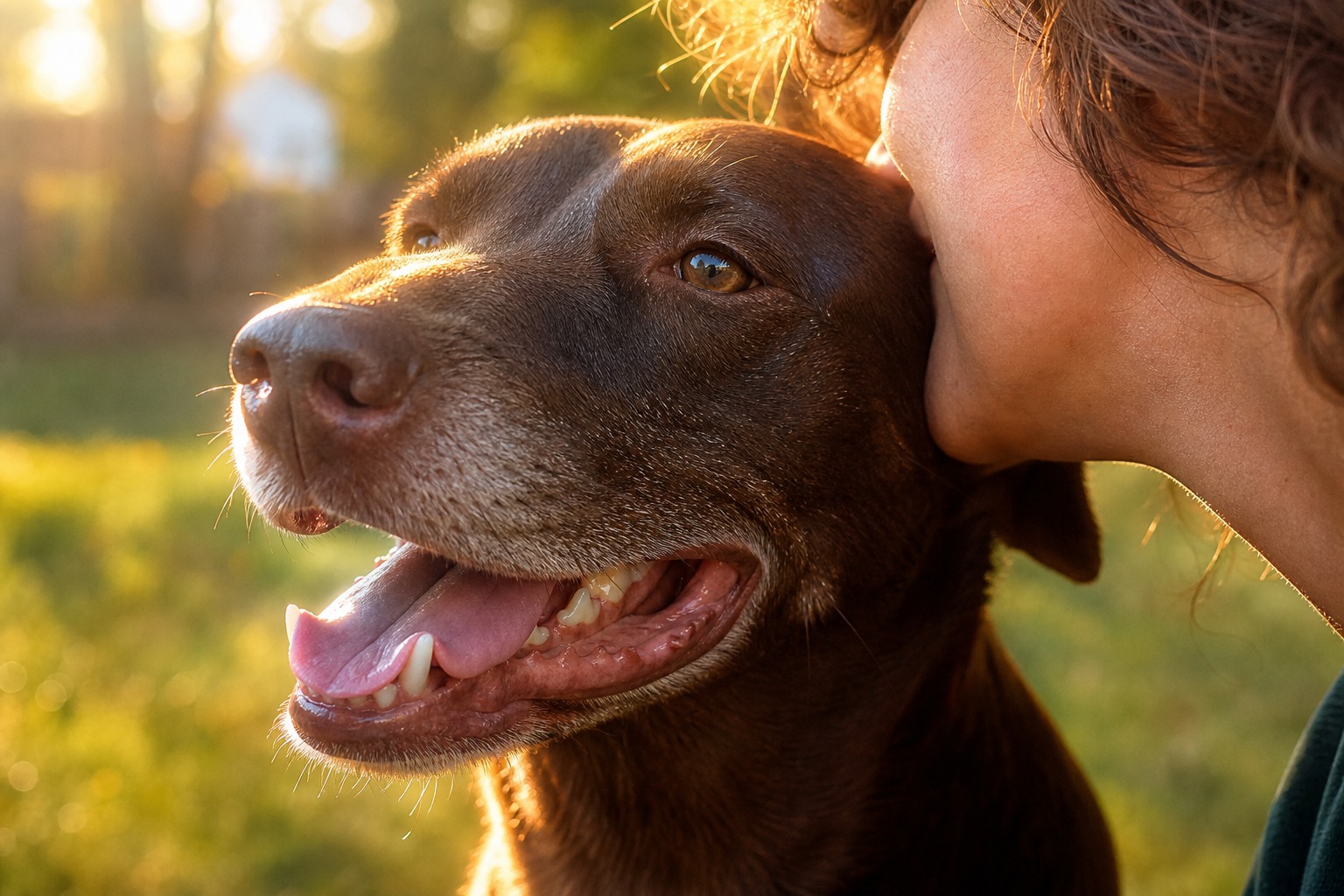
Everyone has heard the dentist’s warning about gingivitis, usually delivered with a raised eyebrow about your flossing. What most people don’t realize is that dogs get the exact same gum disease, and that with dogs the stakes climb quietly, because they can’t tell you their mouth hurts. Here’s the fact that should change how you think about it: gingivitis is the one stage of dental disease you can still take back. After it, you can’t.
That single distinction, reversible versus permanent, is the most useful thing you can know about your dog’s mouth. So let’s build everything around it.
The reversible stage, and the cliff at the end of it
Gingivitis is inflammation of the gums around the teeth. Crucially, at this stage the damage stops at inflammation, the deeper structures anchoring the tooth are still intact. Clean the teeth properly and the gums can heal completely. It is genuinely undoable.
Periodontitis is what waits on the other side. When gingivitis goes untreated, the inflammation moves past the gum and starts destroying the hard tissues around the tooth, the bone and the attachments holding it in place. That is not inflammation anymore; it is demolition, and it doesn’t grow back. Severe cases bring missing teeth and bone loss, and the trouble doesn’t stay in the mouth: advanced dental disease is linked to raised risk of heart, kidney, and liver disease as bacteria and inflammation spread through the body. The whole game, then, is to act while you’re still on the reversible side of that cliff.
Why it hides until it’s bad
The frustrating part is that gingivitis is hard to spot early, so a dog may show no obvious signs at first. That’s exactly why routine professional dental checks matter, your vet can see what you can’t. By the time the disease is visible to an owner, it’s usually advanced, and the tell-tale signs include:
- A reddened, inflamed margin along the gumline where tooth meets gum
- Swollen gums
- Heavy plaque and tartar buildup
- Bleeding gums, especially during brushing
- Receding gums
- Loose teeth
- Signs of pain
If you’re seeing several of those, you may already be at or past the cliff edge, which is another argument for not waiting until symptoms are obvious.
What’s actually causing it
The mechanism is the same one your dentist described to you. Plaque, a film of food particles, saliva, and bacteria, builds up on the tooth. The immune system reacts to those bacteria, and the enzymes released in that battle break down gum tissue, producing the inflammation you can see. It’s worth knowing that essentially every dog carries some degree of gingivitis; a little is normal. The job isn’t to reach zero. It’s to keep it in that mild, reversible zone and never let it march forward.
Prevention is almost embarrassingly simple
The good news is that keeping gingivitis in check comes down to routine oral care, and the cornerstone is daily brushing to clear plaque before it hardens. Dogs who resist at first usually come around with a consistent, low-pressure routine (see the step-by-step above). Two rules are non-negotiable: human toothpaste is toxic to dogs, so use a dog-specific toothbrush and enzymatic paste, and pair home care with a professional cleaning roughly once a year. If gingivitis has already set in, your vet can manage it with a cleaning and, where needed, debridement, the removal of damaged tissue, to reset the mouth back toward healthy.
It may take patience to build the habit, but establishing a real dental routine is one of the highest-return things you can do for a dog’s long-term health, not just for fresh breath, but for keeping serious disease from taking root years down the line.
What newer research adds
Two updates make the prevention advice sharper. First, size matters more than most owners realize: research has found that small-breed dogs are at notably higher risk of dental disease, in part because more teeth are crowded into a smaller jaw, so a toy or small breed deserves earlier and more diligent dental attention, not less. Second, the pet-product aisle is full of “dental” chews and additives that don’t do much, and there’s now a reliable way to cut through the noise. The Veterinary Oral Health Council awards a seal to products that have actually been shown to reduce plaque or tartar, so looking for the VOHC seal is a simple way to spend your money on things that work rather than things that merely claim to. Neither replaces brushing, but both help you aim your effort where it counts.
By the time an owner notices bad breath or bleeding, we’re often already dealing with permanent damage. The whole reason I push daily brushing so hard is that gingivitis is the last stage where the mouth can fully recover. Catch it there and you’ve genuinely reversed it. Miss it and we’re managing, not fixing.
References
- American Veterinary Dental College, Periodontal Disease information
- Veterinary Oral Health Council, VOHC Accepted Products
- American Veterinary Medical Association, Pet Dental Care
Common questions
Can I use my own toothpaste on my dog?
No. Human toothpaste is toxic to dogs. Use a toothbrush and enzymatic toothpaste made for dogs, sold at most pet stores.
How often should my dog's teeth be professionally cleaned?
Most dogs benefit from a professional cleaning about once a year, in addition to daily home brushing. Your vet may recommend a different schedule based on your dog's mouth.
Not a substitute for your vet. Our guidance is educational. For urgent symptoms, contact a vet or emergency clinic right away. Editorial standards
Dr. Mehta is a board-certified veterinary nutritionist who evaluates pet food formulations, ingredient quality, and the science behind dietary trends. He writes and reviews all nutrition content at The Pet Times, including our food rankings and feeding guides.
Meet our experts ↗Keep reading
 Health & WellnessYour Dog Doesn't Need Straight Teeth. It Needs a Bite That Doesn't HurtDr. Mara Chen · 8 min
 Health & WellnessHomemade Dog Toothpaste Is Solving the Wrong ProblemDr. Lena Park · 8 min
 Health & WellnessBad Dog Breath Isn't Cute. It's the First Sign of Disease.Dr. Mara Chen · 6 min
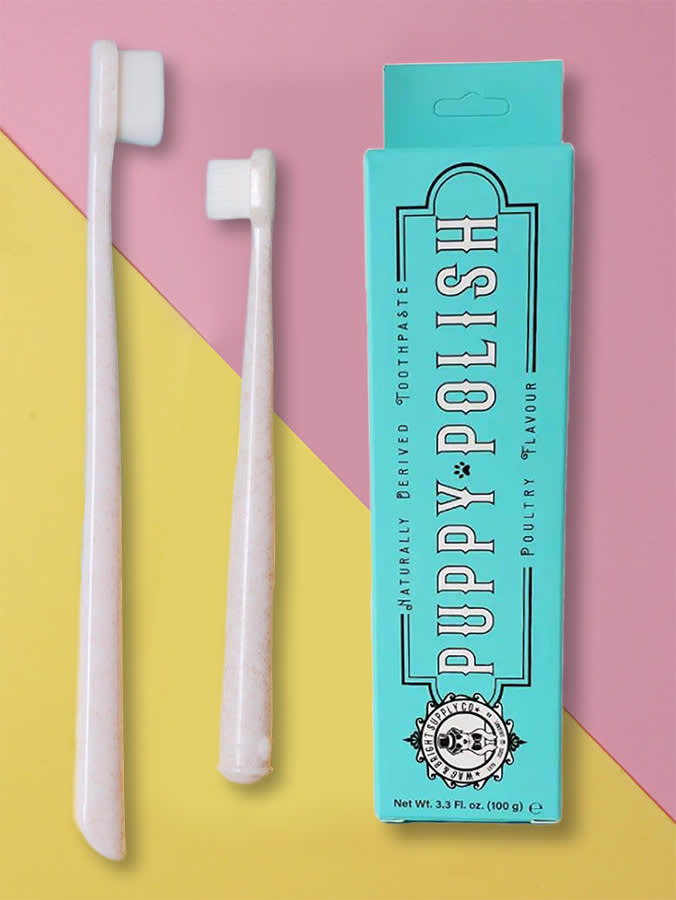 Product PicksYou Didn't Fail at Brushing Your Dog's Teeth. You Started at the Wrong End.Dr. Mara Chen · 7 min
 Health & WellnessMost Dog "Longevity" Supplements Are Guesswork. 9 That Aren't.Dr. Priya Nair · 11 min
 Health & WellnessYou Can't Brush Off Tartar. You Have 72 Hours to Beat It.Dr. Mara Chen · 9 min