


Salmonella Got Into These Dog Biscuits. Here's How to Check Your Bag.
Two dog biscuit brands, Country Vet and Heartland Harvest, were recalled after FDA testing found salmonella. Here are the exact products and lot numbers to look for, the symptoms in pets and people, and when a sick dog needs the vet now.

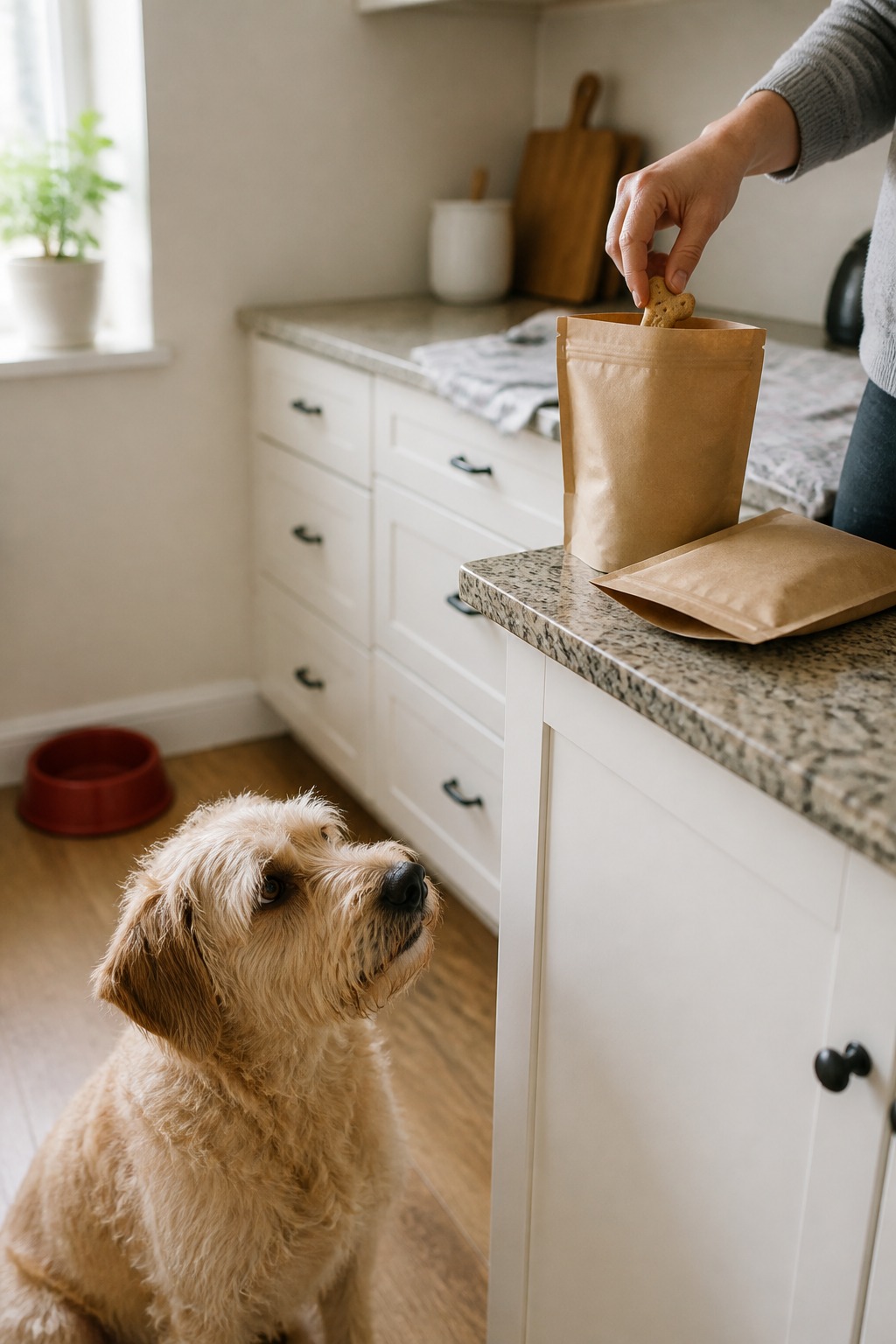
If you buy dog biscuits in bulk and keep them around for months, this one is worth a two-minute pantry check even though the recall itself has since wrapped up. In late December 2025, a distributor pulled two brands of dog biscuits off shelves after federal testing turned up salmonella, and the affected bags carried a best-by date well into 2026, which means some could still be sitting in cupboards.
Consumers Supply Distributing, based in Sioux City, Iowa, issued the recall for biscuits sold under two labels, Country Vet Biscuits and Heartland Harvest Dog Biscuits, after routine sampling by the U.S. Food and Drug Administration found the product tested positive for salmonella.
The exact products to look for
Two four-pound products were affected, and they share a lot number, so check all four identifiers against your bag:
- Country Vet Biscuits, Original Meaty Flavor (4-pound bag). Lot number 40906513, best-by date 09/06/2026, UPC 899623000463.
- Heartland Harvest Dog Biscuits, Meaty Flavor with Chicken (4-pound bag). Lot number 40906513, best-by date 09/06/2026, UPC 840227340691.
The recalled biscuits were sold through retail stores in Colorado, Iowa, Kansas, Missouri, Montana, Nebraska, and Texas.
What to do if you have them
If a bag matches, stop feeding it. You can return the product to where you bought it for a full refund, or throw it out somewhere children, pets, and wildlife can’t reach it. Because salmonella spreads by contact, wash anything the biscuits may have touched, including storage containers, bowls, and your own hands.
Symptoms in pets, and in people
Salmonella can make both dogs and humans sick, and the symptoms overlap: diarrhea, vomiting, fever, nausea, reduced appetite, and abdominal pain. In people, it can occasionally lead to more serious problems, including muscle pain, urinary tract infections, and reactive arthritis. Some pets show only mild signs, like a dip in appetite, while still carrying the infection.
A few symptoms in a dog mean don’t wait and see. Extreme lethargy, difficulty breathing, or blood in the diarrhea call for urgent veterinary attention. A sick dog should see a vet promptly, and a person with symptoms should contact their own doctor. Treatment depends on severity but can include a bland diet, anti-nausea and anti-diarrhea medication, and IV fluids for dehydration.
What’s new since this was written
The good news is that the episode resolved cleanly. The FDA later terminated the recall after it was completed, and no illnesses in animals or people were ever reported in connection with it. In other words, the system worked the way it’s supposed to: routine testing caught the contamination, the product came off the market, and no confirmed cases followed. The only reason to keep the details handy is the long best-by date, which leaves a small window for an old bag to surface.
People assume ‘no illnesses reported’ means there was never any danger, but it really means the recall caught it in time. The part I want owners to remember isn’t the brand names, it’s the reflex: check the lot number, and if your dog is vomiting or lethargic after a recalled treat, call rather than wait, because dehydration from salmonella can move faster than people expect.
References
Common questions
The recall is over. Do I still need to check my treats?
It's worth a look if you buy in bulk or store treats for a long time. The affected biscuits carried a best-by date of 09/06/2026, so a bag bought earlier could still be in a pantry. Match the brand, flavor, lot number, and UPC below, and if it matches, don't feed it.
Not a substitute for your vet. Our guidance is educational. For urgent symptoms, contact a vet or emergency clinic right away. Editorial standards
Dr. Nair is a veterinarian focused on diet and feeding. She covers everyday nutrition, treats, and the many "can they eat this?" questions owners ask, grounding each answer in what is actually safe and sensible for dogs and cats.
Meet our experts ↗Keep reading
 FoodBaked Sourdough Is a Fine Dog Snack. Raw Dough Is a 911 Call.Dr. Amara Solis · 6 min
 Health & WellnessThe Dog Treat Recall Where Nobody Got Sick, and Why That's the Good NewsDr. Priya Nair · 3 min
 Food"Dogs Are Basically Wolves" Is How Raw Chicken Gets Fed. Here's the Catch.Dr. Lena Park · 7 min
 FoodSkittles Aren't the Candy That'll Send Your Dog to the ERDr. Lena Park · 6 min
 Health & WellnessEvery Dog Bone Fails in One of Two Ways. Learn Both and You'll Never Buy Wrong Again.Dr. Ravi Mehta · 7 min
 FoodSalmon Is Great for Your Dog. Raw Salmon Can Kill Them.Dr. Ravi Mehta · 7 min