


Most Dog Sweaters Are for You. Here's How to Tell If Your Dog Actually Needs One.
The fur-coat myth says dogs never get cold. It's wrong, and sometimes dangerous. But not every dog needs a sweater, either. Here's how to decide, and how to shop, honestly.

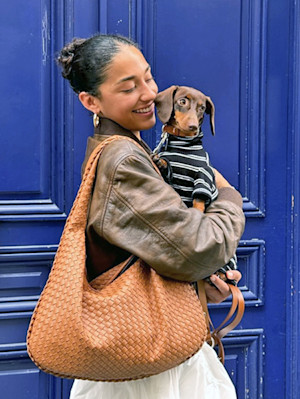
Before the first snowflake falls, let’s settle something that gets dogs into real trouble every winter: dogs feel the cold too. The reassuring old line, that a coat of fur is all the weatherproofing any dog needs, has been passed around for generations, and it’s flat wrong. For a lot of dogs it’s downright dangerous. But here’s the part the sweater ads won’t tell you, because it doesn’t sell knitwear: plenty of dogs don’t need a sweater at all, and buying one is really about you. The useful skill isn’t picking the cutest sweater. It’s figuring out which dog you have, and shopping accordingly.
So let’s do that, because the honest version of this saves your dog either a case of the shivers or an afternoon fighting an outfit they never needed.
The dogs who genuinely need a layer
The core fact is that not all dogs regulate body temperature equally, and the differences come down mostly to size, coat, age, and health. Smaller dogs especially struggle to hold a steady body temperature once the mercury drops below freezing, simply because they shed heat faster relative to their body mass. Thin-coated and single-coated breeds, from Greyhounds to many terriers, don’t have the insulation to spare. Puppies and senior dogs run through their heat reserves faster and hold them less reliably. And a dog who’s sick or recovering has fewer resources to burn keeping warm.
For dogs in those groups, a sweater or coat isn’t a costume. In truly cold weather it’s a piece of safety equipment that helps them stay comfortable and out of hypothermia’s range on freezing walks and potty breaks.
“The dogs I worry about in a cold snap are the little ones, the thin-coated ones, the very old and the very young, and anyone who’s under the weather,” says Dr. Nina Kohl. “For those dogs, an extra layer on a freezing walk is genuinely protective. Watch for shivering, a tucked posture, or a dog who wants to turn back early, that’s your dog telling you they’re cold, and you should believe them.”
The dogs who don’t
On the other end are the dogs built for winter, and forcing knitwear on them is pure decoration. Arctic and Nordic breeds, Malamutes, Huskies, Samoyeds, and similar double-coated dogs, are engineered for cold and generally need no canine clothing at all. Their coats trap warmth better than anything you’ll buy, and layering them up can actually make them uncomfortably hot. If your dog is a fluffy, cold-loving powerhouse who lives for the snow, put the sweater back on the rack.
Most dogs fall somewhere in between, and the deciding factors are the same ones every time: how big they are, how much coat they’ve got, how old they are, and how they’re feeling. Read your specific dog against those, not against the myth that dogs are immune to cold or the sales pitch that every dog needs a winter wardrobe.
If your dog does need one, shop for the dog, not the photo
Once you’ve decided your dog is genuinely a candidate, the buying priorities are simple and mostly ignored. Fit comes first: a sweater should cover the back and chest, move freely at the legs, and never bind at the neck or restrict the shoulders. Material matters next; a snug knit in wool or a warm blend does more real work than anything chosen purely for looks, and washability keeps it usable through a muddy season. If you’ll clip a leash on over it, a build with a leash-clasp opening saves you fighting the collar every outing. And for the coldest, wettest days, a warm layer pairs well with protective booties for paws that take a beating on ice and salt. Everything past that, the pom-poms, the fair-isle patterns, the feathery holiday-party numbers, is for your enjoyment, which is a perfectly fine reason to buy, as long as you know that’s what you’re doing.
One rule that prevents most sweater disasters
Whatever you buy, introduce it slowly. Many dogs have never worn anything and will find a sudden layer strange or even alarming. Don’t wait until it’s below freezing to wrestle your dog into a brand-new layer for the very first time; start early, in low-stakes moments, and treat it like teaching a harness, short sessions, lots of praise and treats, building up to the real thing. A dog who’s been taught that the sweater means good things will actually wear it when the cold day comes, which is the entire point.
What newer research adds
Cold-weather guidance for dogs has grown more specific in recent years, and it lines up with the case-by-case approach here rather than a blanket rule. Veterinary and safety groups now routinely flag the same higher-risk dogs, small, thin-coated, very young, very old, and unwell, and pair the layering advice with reminders about paw protection from ice-melt salts and limiting time outside in extreme cold regardless of what your dog is wearing. The bottom line hasn’t moved: a sweater is real protection for the dogs who need it, pure fashion for the dogs who don’t, and the only way to know which you’ve got is to look honestly at your own dog.
Common questions
Which dogs don't need a sweater?
Cold-weather breeds built for it, like Malamutes, Huskies, and Samoyeds, generally don't need extra layers. Their double coats are designed for the job.
How do I get my dog used to wearing a sweater?
Introduce it slowly, the way you'd introduce a harness, well before the coldest weather hits. Pair it with treats and short sessions so your dog learns the layer is a good thing, not a restraint.
Dr. Park is a board-certified emergency and critical care specialist. She reviews our health and safety content for clinical accuracy and contributes guides on recognising urgent conditions. Her focus is helping owners act quickly and correctly when it matters most.
Meet our experts ↗Keep reading
 Product PicksA Trend Forecaster Reads Your Shopping. Her Best Dog Advice Isn't About Trends.Nina Vasquez · 6 min
 Product PicksDog Clothes Got Good. This Brand Is the Reason.Sara Lim · 8 min
 Product PicksThis Pet Brand Recycled 500,000 Water Bottles Into Dog Beds, and Made Them CuteNina Vasquez · 6 min
 Product PicksThe Bark Potty Is Really a Math Problem: One Pad vs. 60 Plastic OnesMarcus Webb · 5 min
 Product PicksThe Funny Dog Toy Is a Dead Genre. FurryFolks Didn't Get the Memo.Nina Vasquez · 6 min
 Product PicksWhy Every Cool Dog's Leash Suddenly Looks the SameLeila Torres · 5 min