


10 Chinese Dog Breeds Whose History Is Stranger Than Their Faces
China's dog breeds share a surprising arc: shaped by imperial exclusivity, brushed by extinction, and, for a few, now banned in their own homeland. Meet ten breeds and the twists behind them.

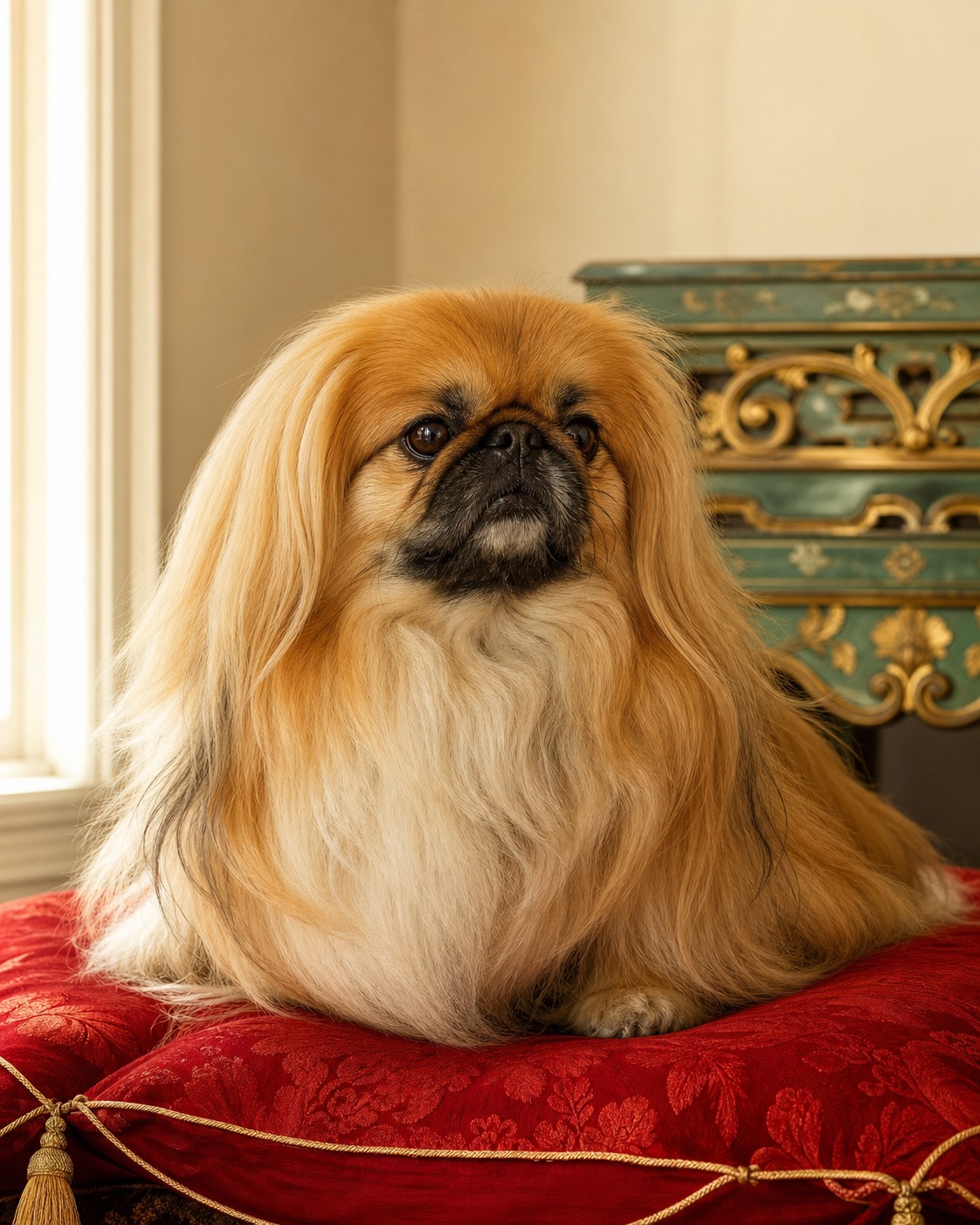
The distinctive faces are what pull you in, the smushed Pug, the lion-maned Chow, the folded Shar-Pei, but the histories are where these breeds get genuinely strange. Look past the looks and China’s dogs share a single surprising arc. Many were shaped not by work but by imperial exclusivity, bred behind palace walls as living luxuries. Several were pushed to the brink of extinction and hauled back. And in one of history’s odder turns, a few of these ancient homegrown breeds are now restricted or outright banned in the very country that created them. That arc, exclusivity to near-extinction to modern exile, is the thread running through all ten breeds below, and it makes them far more than a gallery of unusual muzzles.
First, the backdrop. Dogs are the oldest domesticated animal in China, present for somewhere between 7,000 and 15,000 years by some estimates, first bred for herding, hunting, and hauling. Their role shifted over the centuries toward companionship to royalty, with emperors overseeing breeding programs and guarding their bloodlines jealously. That imperial gatekeeping is exactly what produced so many unusual, instantly recognizable breeds, and why, for a long stretch, Chinese dogs simply never left the country.
The imperial companions
Pug. Your Pug may be a couch-hogging treat negotiator, but the breed is one of the world’s oldest, possibly originating in China around 400 B.C. Unusually, it was not a royal dog but a companion to Tibetan Buddhist monks. It reached Europe in the 16th century and has been beloved ever since. It may also have been the first Chinese dog ever exported, the crack in the wall of imperial exclusivity.
Pekingese. Chinese folklore says the Pekingese was born when a lion and a marmoset fell in love; the lion was too big, so the gods shrank it, and the Pekingese resulted. Reality is less romantic, likely toy dogs crossed with larger ones, but the breed was so tied to royalty that commoners were once forbidden to own them. Loyal, docile, and low-exercise, they make great family dogs for people who would rather not log long walks.
Shih Tzu. Despite their tiny size, they are named for a lion, and their Chinese name comes from the word for it. Companions to Chinese nobility for centuries, they are now one of the most popular Chinese breeds worldwide, loved for a playful, affectionate nature. Fluffy but hypoallergenic; owners often keep the coat short, though the show standard calls for long, silky fur.
The lion-dogs and the strange coats
Chow Chow. The English nickname bears no resemblance to the Chinese names (Songshi Quan, “puffy lion dog”), and nobody knows where “Chow Chow” came from. Traceable back more than 8,000 years and famous for its lion-like look, the breed has long been a companion dog, and one Chinese ruler reportedly kept more than 5,000 of them. Smart and independent, Chows tend to bond hard with one person. Keep this breed in mind, it reappears at the end of this story in a way you would not expect.
Chinese Crested. A strong contender for most unusual dog anywhere. Mostly hairless save for comical tufts around the face, ears, and tail, often with spotted skin, and largely hypoallergenic as a result. So old its exact origins are a mystery. Once used to hunt small animals, today they are friendly, calm pets who do well with children and other animals.
Shar-Pei. Known worldwide for deeply folded facial skin, though a more traditional Hong Kong version has fewer wrinkles. Originally property guardians. This is the first extinction story on the list: after the Guinness Book of World Records named them the world’s rarest dog in 1978, a major U.S. revival effort took hold, and many were smuggled into the country to save the breed. Today they are far less endangered, especially stateside, and deeply loyal to their families.
The ancient guardian
Tibetan Mastiff. A late but essential addition to this list, because its shadow falls over half of it. Known in Tibet as the Do-Khyi, or “tied dog,” for being tied at the gates of the homes and monasteries it guarded, this breed is genuinely ancient, with written accounts of a large guardian dog in the region around 1100 B.C. and cave drawings that may push it back to the Stone Age. Bred by Tibetan nomads to fend off wolves, bears, and snow leopards, it so impressed Marco Polo in the 13th century that he described it as “large as a donkey.” Many experts believe the Tibetan Mastiff is the foundational stock behind most modern large working breeds, from mastiffs to mountain dogs, which makes it less a single breed than a common ancestor of dozens.
The rare and the endangered
Xiasi. Accounts differ wildly on its age, some pointing to 202 B.C., others to around 1080 A.D., and it features in Chinese folklore. Pronounced “she-ah-seh,” it has a wiry coat and an almost terrier-like look. Bred to hunt, but so loyal and affectionate it makes a wonderful pet. Sadly, very few remain; it was considered critically endangered in 1999. In Guizhou province, owning one is believed to bring wealth.
Formosan Mountain Dog (Taiwan Dog). Among the oldest breeds in the world. Once wild, later domesticated, and now working as guard, hunting, and even rescue dogs as well as family pets. Agile and very high-energy, they need a lot of exercise and stimulation, but they are clever, bond strongly with their person, and respond well to training.
The modern breed, and the modern irony
Kunming Dog. The youngest breed here, only recognized in 2007. Developed in Kunming during the 1950s by crossing Alsatians with local dogs and wolf-dog hybrids, it has been used to detect narcotics and explosives and is the only Chinese working breed recognized internationally. It is also a family pet across China, prized for intelligence and loyalty, and it needs plenty of stimulation.
The Kunming Dog is also where this story takes its strangest turn. As of 2024, several Chinese cities have moved to restrict or ban some of their own native breeds on public-safety grounds. Chengdu added dozens of breeds to a prohibited list effective January 2024 that includes the Kunming Dog, and the breed appears on banned lists in cities like Shenzhen and Shanghai as well. The Chow Chow, that ancient imperial lion-dog, sits on Beijing’s restricted list. It is a remarkable inversion of the arc this article traces: breeds once bred exclusively for Chinese emperors, then guarded so carefully they could not leave the country, are now in some cases unwelcome as household pets in China’s biggest cities, even as they thrive in living rooms across the United States. The dogs went from too precious to export to, in a few places, too regulated to keep at home.
Which one is right for you?
There is no way to know which dog suits you without meeting them. Breed offers hints about size, behavior, and temperament, but every dog is an individual, and, as this list shows, “Chinese breed” spans a hairless lapdog and a donkey-sized guardian. Think about the qualities you want, a calm demeanor, a modest exercise load, a hypoallergenic coat, and look into the breeds that tend to fit. And remember there is no breed everyone should avoid; the right dog depends entirely on your own circumstances, so start from your non-negotiables and go from there. Whatever you choose, you would be welcoming an animal with one of the deepest, oddest histories in the dog world.
References
- American Kennel Club. “Tibetan Mastiff History: Guardian of Ancient Monasteries.” akc.org
- Parker, H.G., et al. “Genomic Analyses Reveal the Influence of Geographic Origin, Migration, and Hybridization on Modern Dog Breed Development.” Cell Reports, 2017. doi.org/10.1016/j.celrep.2017.03.079
- Chengdu Municipal Government. “Chengdu Updated List of Prohibited Dog Breeds (effective January 2024).” chengdu-expat.com
- Beijing Municipal Government. “Tips for Canine Keeping in Beijing.” english.beijing.gov.cn
James Okafor covers rescue, adoption, and the causes shaping animal welfare. His work follows the people and organisations working to give more pets a home, and the issues owners and advocates care about most.
Meet our experts ↗Keep reading
 Living"My Last Dog Syndrome": Why Your New Dog Keeps Losing to a GhostDr. Nina Kohl · 7 min
 TrainingYour Dog Doesn't Know It's 5 O'Clock. It Knows You.Dr. Mara Chen · 6 min
 LivingMost Dog Fights Happen at Home. Pick the Second Dog Accordingly.Dr. Mara Chen · 7 min
 LivingYour Dog Is the Cheapest Anti-Anxiety Tool You Own. Most People Waste It.Dr. Nina Kohl · 5 min
 LivingThe Dog Nobody Wanted Just Stole a Billion-Dollar MovieJames Okafor · 5 min
 LivingA Furniture Designer Got Fed Up With Ugly Dog Beds. So He Fixed ThemMarcus Webb · 6 min