The aloof cat was always a bit of a myth, but it took a global lockdown to prove it. When millions of people abruptly started spending all day at home in 2020, their cats did something the stereotype said they would not: they moved closer. They learned schedules, invented rituals, appointed themselves co-workers. And when the world reopened, an entire generation of cat owners discovered the changes did not reverse. The cats had renegotiated the relationship, permanently.
Ask around and the stories rhyme. The cat who learned to detect the first flicker of wakefulness and instituted a 6 a.m. paw-on-the-face protocol, gently escalating until coffee happened. The cat who annexed the desk chair, the keyboard, the back of the neck during video calls. The formerly independent roommate who became, in the words of more than one owner, a mama’s boy. People who had shared a home with a cat for years found themselves, for the first time, sharing a schedule with one, and the schedule is what cats actually bond to.
Cats bond to routines, and we handed them a perfect one
Cats are creatures of pattern more than proximity. What lockdown provided was not just a human on the couch but a human who did the same things at the same times every single day: rose at the same hour, made coffee in the same order, sat in the same spot. For a cat, that is an engraved invitation. Behaviorists have long observed that cats form their strongest attachments around predictable interaction, and 2020 was the most predictable year in the history of modern households.
The research backs the anecdotes. Longitudinal survey work tracking owner-pet relationships through the pandemic found the bond between people and their animals measurably strengthened during lockdown periods, with pets buffering loneliness and stress for their humans. Shelters saw the demand side too: interest in cat adoption surged in 2020, in some measures by well over 100 percent compared to the year before, meaning millions of cats have literally never known a household where the humans leave every day.
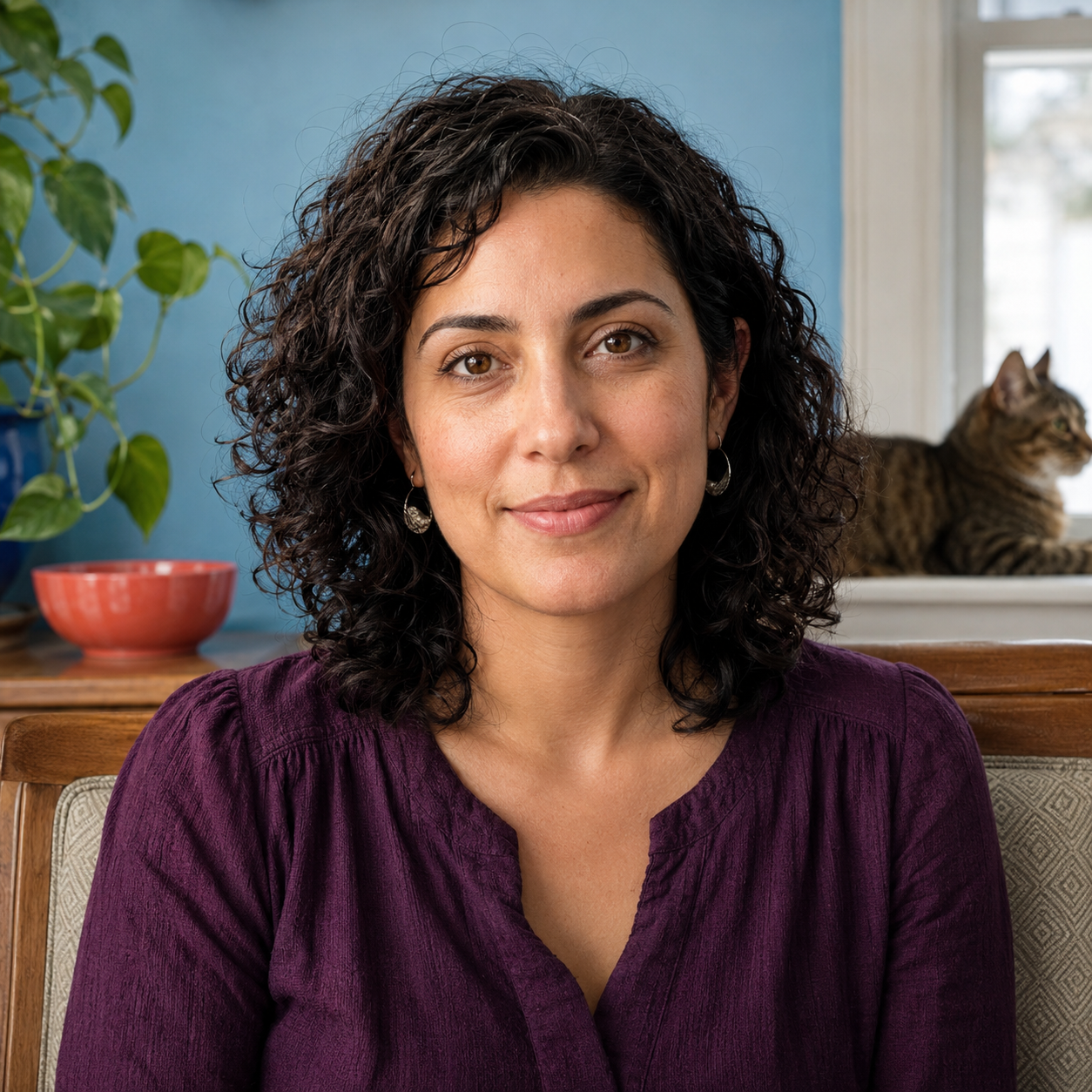
“People assume the clingy lockdown cat was reacting to their anxiety, and sometimes that is part of it, but mostly the cat was doing what cats do: mapping your routine and building its day around the reliable parts. When your routine became constant, the cat’s whole map became you,” says Dr. Mara Chen.
The co-worker phase changed how we see them
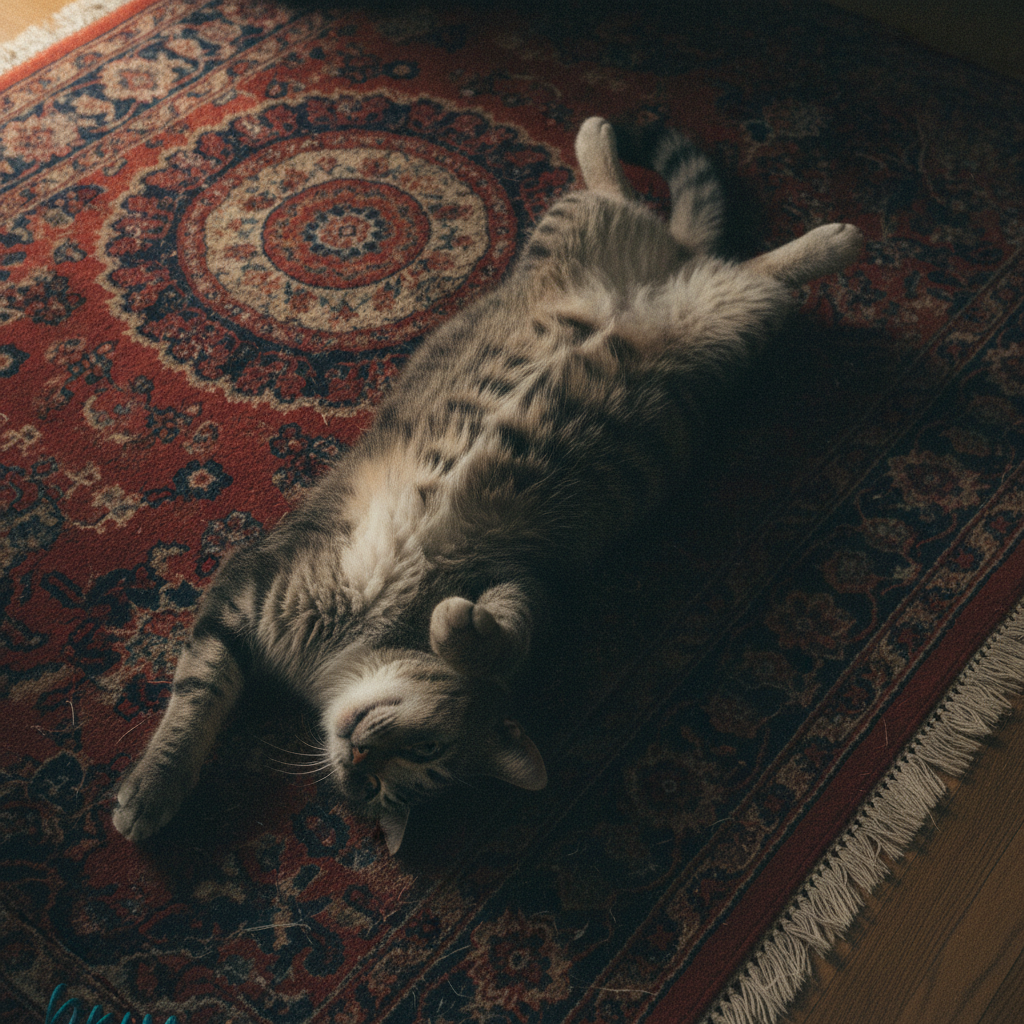
Something else happened during those home-office years: people watched their cats all day for the first time. They saw the full choreography, the sunbeam migrations, the 2 p.m. zoomies, the way a cat positions itself precisely one arm’s length from the keyboard, close enough to supervise, far enough to be blameless. The distance between “pet I feed” and “companion I know” collapsed.
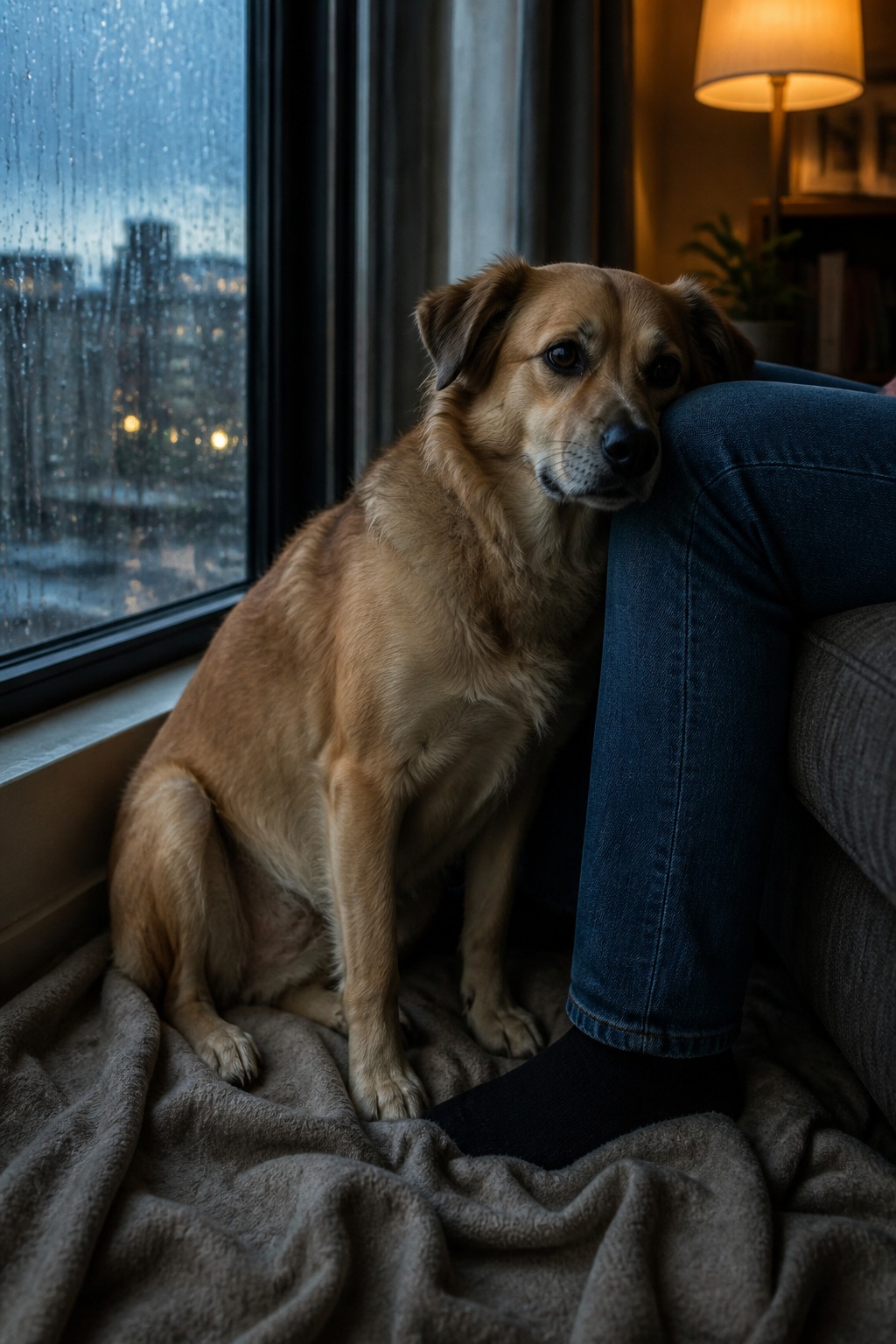
Owners also noticed how attuned cats are to human emotional weather. Countless people reported that in moments of grief, stress, or illness during those years, the cat was somehow always within arm’s reach. Whether cats respond to our cortisol, our body language, or simply our sudden stillness is still an open research question, but the perception changed the relationship. It is hard to call an animal aloof once it has spent a hard week glued to your side.
There is a bittersweet edge to all this closeness. Spending every hour with an animal makes its mortality more vivid. Cats age faster than we do, and a cat that turned five during lockdown quietly passed its owners in equivalent years. Many people came out of the pandemic loving their cats more and dreading the arithmetic, which is its own kind of tribute.
Then we left, and the cats noticed
The return to offices was the natural experiment nobody designed. Cats raised or settled during 2020 to 2022 had near-constant human presence built into their expectations, and the abrupt withdrawal of it hit some of them hard. Separation-related distress, long considered mostly a dog problem, became one of the fastest-growing topics in feline behavior. The signs in cats are quieter than a howling dog: excessive vocalizing after the door closes, overgrooming bald patches onto a flank, or pointedly eliminating on the owner’s clothes or bed, a scent-mingling behavior that reads as spite but is closer to a coping strategy.
Camera check-ins have taught owners something useful here: many cats fuss for 20 or 30 minutes after departure and then settle into a normal day, while a smaller group stays genuinely distressed for hours. The difference matters, because the first group needs nothing and the second needs help, more environmental enrichment, predictable departure and return rituals, sometimes a behavior consult. Cats who live without other feline company, and cats intensely bonded to one specific person, are the most vulnerable to the hard version.
What newer research adds
Post-pandemic studies have started to untangle which changes endured. The strengthened owner-pet bond documented in longitudinal pandemic surveys largely held after reopening; people did not revert to pre-2020 levels of attachment even when their schedules reverted. Meanwhile, behaviorists now routinely advise hybrid workers to build deliberate unpredictability into their weeks, varying departure cues and leaving enrichment like food puzzles, precisely because research on feline separation distress shows rigid routines make the eventual disruptions harder on the cat.
If your cat became your shadow during those years, the practical advice is gentle: keep a few anchor rituals, the morning window-seat coffee, the evening play session, because those predictable moments are what your cat actually banks on. The rest of the day can flex. The lockdown bond was never really about the hours. It was about the reliability, and that part you can keep giving them from anywhere.