


By the Time You Know Your Cat Is Pregnant, She's Nearly Due
Cat pregnancy is so short and so quiet at the start that the real story isn't how long it lasts, it's how little warning you get. Here's the timeline, the early signs owners miss, and how to prepare fast.

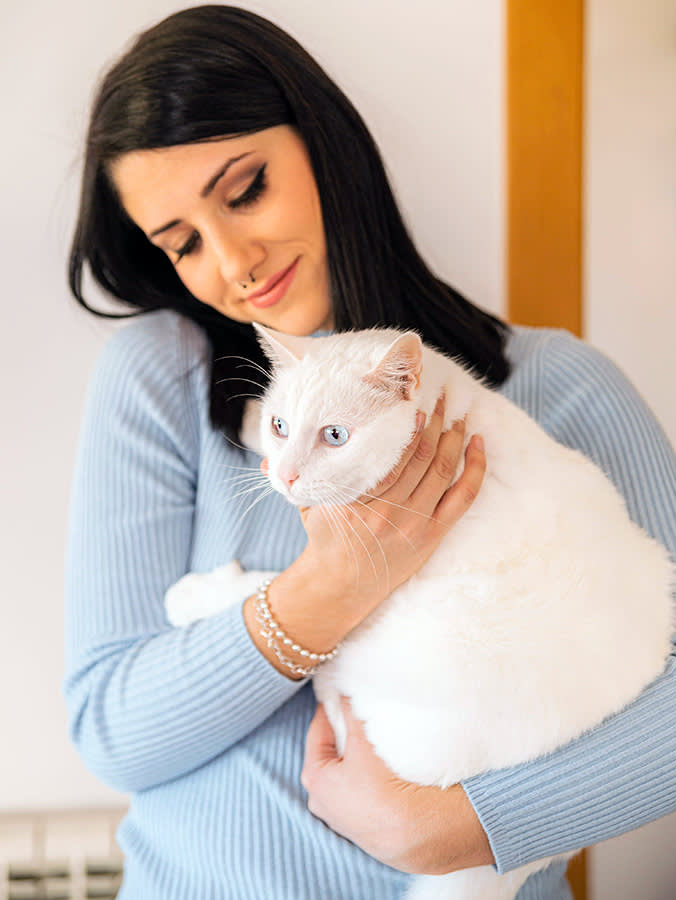
Most questions about cat pregnancy start with “how long,” and the honest answer, about nine weeks, is almost beside the point. The number that should actually reshape how you think about a pregnant cat is a different one: how little of that window you are likely to notice. Feline pregnancy is short, and its opening act is nearly silent, which means many pet parents do not realize their cat is expecting until she is already well along and closing in on delivery. That flips the job from idle curiosity into fast, practical preparation.
The timeline: short, and shorter than you think
A queen, the term for an unspayed female cat, carries her kittens for an average of about 65 days, roughly nine weeks, with a normal range of about a week in either direction. Pinning down an exact due date is genuinely hard, because so many pregnancies begin without anyone witnessing the mating. In practice, vets work from estimates, gauging how far along a cat is and projecting a delivery window rather than marking an exact day on the calendar.
Compress that against a human’s nine months and the pace becomes clear. There is very little runway, so once you suspect pregnancy, the clock is already running.
Why you miss the beginning
The reason cats sneak up on their owners is that early pregnancy often produces no visible signs at all. In the first stretch, a queen may seem entirely normal. When changes do start, they are easy to misread: she may grow clingier, more vocal, or more openly affectionate, and her appetite may actually dip at first before climbing steadily as the pregnancy goes on. There is no dramatic early tell, which is exactly why the middle of the pregnancy so often arrives before the realization does.
The tricky thing with cats is that the early signs are so subtle they look like a mood, not a pregnancy. If there’s any chance your unspayed cat had access to a male, it’s worth an exam sooner rather than later, because you may have far less time to prepare than you’d assume.
Preparing fast: what a pregnant queen needs
Because the notice is short, prioritize a few things right away.
Build the nest. As she nears her due date, a pregnant cat’s instincts turn to nesting: she will seek out a quiet, hidden spot and start carrying in soft materials to build a safe place for the birth. You can help by setting up a nesting box lined with soft blankets in a secluded, calm area away from other animals and household traffic, and doing it early, before she chooses a dresser drawer for you.
Feed for two. A pregnant cat’s metabolism ramps up and her demand for calories and specific nutrients rises with it, so she needs a more energy- and nutrient-dense diet than usual. Kitten food is an excellent choice for pregnant and nursing queens, as are foods specifically formulated for pregnancy and lactation. Offer extra food to meet the higher demand, whether through several meals a day or by keeping quality kibble available. Once the kittens arrive, keep food and water right at the nesting box so she can eat without leaving her newborns.
Protect the routine. Minimize stress and avoid big changes to her environment during pregnancy. Do not introduce new animals, particularly strays that could carry infectious disease into your home. Routine veterinary care still matters, but tell your vet you suspect she is pregnant, because some medications, treatments, and procedures should be avoided during this time.
The biology that surprises people
A few facts about feline reproduction routinely catch owners off guard, and they are worth knowing because they explain both how easily cats get pregnant and what to watch for during birth.
- Cats are induced ovulators. A queen releases eggs in response to mating rather than on a fixed cycle, and if she mates multiple times during a heat, more eggs can be released and fertilized. It is one reason cats are such efficient breeders.
- Litter size is set by fertilized eggs, not nipples. The old idea that the number of nipples predicts the number of kittens is a myth. Litter size comes down to how many eggs were fertilized. The average litter is about four kittens, but the range runs from one to eight or more, and first-time mothers tend toward smaller litters.
- Kittens usually arrive one at a time. Once labor begins, kittens are typically born at a steady pace, roughly one every 60 minutes or less. A stressed queen may pause her labor and resume hours later. But a cat actively straining for more than an hour without producing a kitten needs a vet right away, as that can signal a complication.
When cats can get pregnant, and why to spay early
Here is the part that makes prevention urgent. Most cats hit puberty and sexual maturity around six months, but some large breeds run a little later and some cats can conceive as early as four months old. The safe assumption is to treat a cat as fertile by four months, and cats are efficient enough breeders that an unspayed female around an intact male during heat is very likely to conceive.
Which is the whole case for spaying early. Spaying and neutering is the safest, surest route to preventing unwanted litters and to chipping away at the broader cat overpopulation problem, and because fertility can arrive so young, the recommendation is to spay before a cat reaches sexual maturity rather than after.
The bottom line
Cat pregnancy rewards the prepared and punishes the surprised. It is short enough that noticing late leaves you scrambling, so if there is any chance your unspayed cat is expecting, confirm it with your vet and get the nesting box and the kitten food ready now. And if you would rather not run this race at all, the answer is the same one that solves the overpopulation problem: spay early, before the four-to-six-month window when it all becomes possible.
What’s new since this was written
Veterinary guidance has increasingly coalesced around spaying kittens early, well before the traditional six-month mark, precisely because cats can conceive so young. Many shelters and clinics now perform pediatric spay and neuter, and major veterinary bodies support spaying by around four to five months of age to close the fertility window before it opens. If you have a young kitten, it is worth asking your vet about timing sooner rather than later, since the old “wait until six months” default can leave just enough room for an accidental litter.
References
- Davidson, Autumn. “Breeding Management of Dogs and Cats.” Merck Veterinary Manual, 2024, merckvetmanual.com.
- Holst, Bodil Ström. “Feline Breeding and Pregnancy Management: What Is Normal and When to Intervene.” Journal of Feline Medicine and Surgery, vol. 24, no. 3, 2022, pp. 221–231.
- Root Kustritz, Margaret V. “Clinical Management of Pregnancy in Cats.” Theriogenology, vol. 66, no. 1, 2006, pp. 145–150, doi.org/10.1016/j.theriogenology.2006.04.003.
Common questions
How many kittens do cats usually have?
The average litter is about four, but a healthy queen can have anywhere from one to eight or more. First-time mothers often have smaller litters.
How young can a cat get pregnant?
Most cats reach sexual maturity around six months, but some can conceive as early as four months. To be safe, assume a cat can get pregnant by four months old, which is why early spaying is recommended.
Not a substitute for your vet. Our guidance is educational. For urgent symptoms, contact a vet or emergency clinic right away. Editorial standards
Dr. Solis is a board-certified veterinary dermatologist with over twelve years of clinical experience. She advises on skin conditions, allergies, and grooming practices that affect coat and skin health. All dermatology and allergy content at The Pet Times is reviewed by her team before publication.
Meet our experts ↗Keep reading
 Health & WellnessTwo Myths Are Getting Cats Killed by Heartworm. Here's the TruthDr. Priya Nair · 9 min
 First DaysThe Kitten Nursing Clock Is a Lie. Watch the Milestones InsteadDr. Priya Nair · 6 min
 Health & WellnessYour Cat's Drool Is Only Cute If Your Hand Is on ThemDr. Lena Park · 8 min
 Health & WellnessA Thirsty Cat Is Often a Sick Cat. Here's the Number to WatchDr. Priya Nair · 7 min
 Health & WellnessA Kitten Sneeze Is Cute Once. Here's the Line It Shouldn't Cross.Dr. Mara Chen · 8 min
 Health & WellnessForget 'Times Seven.' Your Cat Ages a Decade Before Their Second Birthday.Dr. Lena Park · 8 min