


Butternut Squash Is a Cozy Win for Dogs. Skip One Part
Plain cooked butternut squash is safe and nutritious for dogs. A vet explains how to serve it, why raw isn't ideal, and which holiday-table foods to keep away.

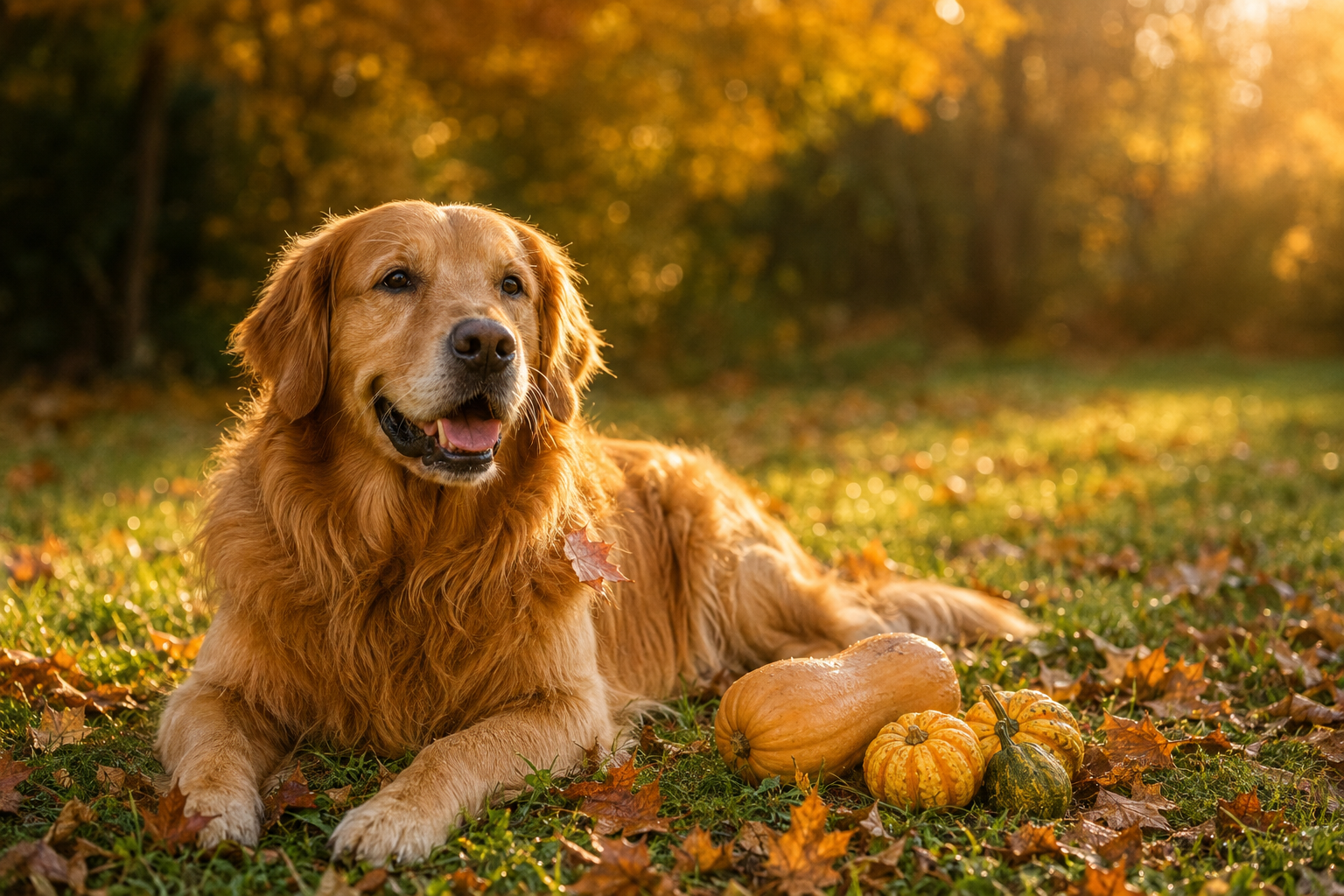
Every winter brings its own lineup of seasonal favorites, and butternut squash is right near the top of the list — roasted, mashed, or stirred into soup. So can your dog get in on the cozy action? Happily, yes. Butternut squash isn’t just safe for dogs; it’s genuinely nutritious. The one important asterisk is how it’s prepared, because the spices and fats we love to cook it with can turn a healthy veggie into a no-go. Here is the full rundown.
Is butternut squash good for dogs?
Yes — and the benefits are real.
A spoonful or two of cooked butternut squash earns its place in a dog’s bowl — you’re adding fiber plus a respectable mix of vitamins and minerals.
Because it’s safe and nourishing, you can comfortably share a little of this veggie with your pup. As with any non-toxic people food, though, there are a few things worth knowing first.
Cooked vs. raw
Butternut squash is at its best for dogs when it’s cooked — provided it’s prepared without sauces, seasonings, or high-fat oils. Raw squash isn’t toxic, so don’t panic if your dog snags a dropped piece, but it’s not the ideal form.
“Cook it first, always,” Dr. Solis explains. “A dog’s gut has a rough time with raw squash — expect gas and an unhappy stomach. And the raw flesh is dense enough that a large chunk can lodge in the throat of a dog who gulps instead of chews.”
As for the seeds, skip them.
“Nothing in the seeds will poison a dog, but the digestive system struggles with them and an upset stomach often follows, so I tell owners to keep them out of the bowl,” Dr. Solis says. “Plant them instead.”
Keeping it safe (and plain)
Served plain, butternut squash poses no risk to a dog at all. The trouble starts with the way most kitchens actually prepare it for the table.
“The holiday version — buttered, salted, dressed up with seasoning — is a different food from the dog’s perspective, and not one I’d let them have,” Dr. Solis cautions.
The fix is simple: plan ahead and set aside a portion of plain squash before you season the rest. Keep the quantity modest, too. This kind of fibrous food can fill your dog up without delivering the complete nutrition they need from their regular meals. A few bites of plain cooked squash spooned over their balanced kibble is a perfect way to serve it.
Other dog-safe foods on the holiday table
Squash isn’t the only thing you can share, as long as you serve it plain:
- Carrots: A healthy, nutritious snack — but since most get salted and seasoned, slip your dog a plain one before you dress them up.
- Cooked sweet potatoes: A genuine superfood for dogs and humans alike, thanks to their digestive benefits. Serve plain and in moderation, setting one aside before you season the batch.
- Apples: A sweet treat your dog can enjoy once the seeds and core are removed. Skip the apple pie, though — the sugar and fat will upset their stomach even though cooked apple itself isn’t toxic.
The holiday foods to keep away from your dog
Some seasonal staples are downright dangerous:
- Garlic and onions: Rarely served solo, but they sneak into nearly everything savory. Both are toxic to dogs, with onions being especially risky. Avoid anything cooked or seasoned with them.
- Grapes and raisins: A major hazard — even small traces can cause kidney failure. Keep them off coffee-table charcuterie boards, and don’t offer dogs any dish that was cooked with grapes or raisins, even if they’ve been picked out.
- Pecans and walnuts: Common pie fillings and both quite toxic, thanks to a compound called juglone that causes vomiting and GI distress. One or two dropped nuts probably won’t cause harm, but monitor your dog closely after any amount, and seek veterinary care if they get into a bag or a pie.
- High-fat foods: Buttery veggies and dark-meat turkey can trigger GI upset or even pancreatitis. Always serve even “non-toxic” foods plain — no butter, seasoning, or piles of salt.
The bottom line
On its own, plain cooked butternut squash is a nutritious, safe, and cozy snack for dogs. Keep it unseasoned, keep portions small, and you’ve got a great seasonal way to add a little variety to the bowl. If your dog has a sensitive stomach or any dietary restrictions, check with your vet before introducing it.
What’s new since this was written
The reasons to keep grapes and raisins far from the holiday spread have only gotten clearer. Veterinary toxicologists now believe tartaric acid is the compound responsible for grape and raisin toxicity in dogs, which finally helps explain why the danger has always seemed so unpredictable from dog to dog.
There’s also growing attention on xylitol, the sugar substitute increasingly used in baked goods and “skinny” desserts. The ASPCA Animal Poison Control Center reported more than 10,000 xylitol-related calls in 2024, and a 2025 congressional proposal would require warning labels on foods that contain it — one more reason to be cautious about what comes off the dessert table, even when the main dish (like plain squash) is perfectly safe.
References
- ASPCA. “Toxic and Non-Toxic Plant List — Dogs.” https://www.aspca.org/pet-care/animal-poison-control/dogs-plant-list.
- ASPCA Animal Poison Control. “People Foods to Avoid Feeding Your Pets.” https://www.aspca.org/pet-care/aspca-poison-control/people-foods-avoid-feeding-your-pets.
- Wegenast, Colette A., et al. “Unique sensitivity of dogs to tartaric acid and implications for toxicity of grapes.” Journal of the American Veterinary Medical Association, 2021. https://www.aspcapro.org/resource/toxic-component-grapes-and-raisins-identified.
- U.S. Food and Drug Administration. “Paws Off Xylitol; It’s Dangerous for Dogs.” https://www.fda.gov/consumers/consumer-updates/paws-xylitol-its-dangerous-dogs.
Common questions
Can dogs eat raw butternut squash?
Raw butternut squash isn't toxic, so a stray piece off the floor is no cause for alarm. But it's tough, hard to digest, and a potential choking hazard, so dogs should ideally have it cooked and softened.
Can dogs eat butternut squash seeds?
Seeds won't poison a dog, but they pass through badly and often bring an upset stomach with them — keep them for planting, not snacking.
Not a substitute for your vet. Our guidance is educational. For urgent symptoms, contact a vet or emergency clinic right away. Editorial standards
Dr. Solis is a board-certified veterinary dermatologist with over twelve years of clinical experience. She advises on skin conditions, allergies, and grooming practices that affect coat and skin health. All dermatology and allergy content at The Pet Times is reviewed by her team before publication.
Meet our experts ↗Keep reading
 FoodZucchini Is One of the Safest Veggies for Dogs. The Bitter One Is the Exception.Dr. Lena Park · 4 min
 FoodOne Lick of Cool Whip Won't Hurt Your Dog. The Habit Will.Dr. Amara Solis · 6 min
 FoodSteal the Popsicle's Best Idea for Your Dog, Skip Everything Else In ItDr. Lena Park · 7 min
 FoodKale Is a 'Superfood.' For Dogs, It Comes With a Catch.Dr. Priya Nair · 5 min
 FoodOne Tater Tot Won't Kill Your Dog. The Fifth One Might Ruin Your Night.Dr. Ravi Mehta · 5 min
 FoodPopcorn Is a Great Dog Treat, Until You Touch the ToppingsDr. Priya Nair · 7 min