


111 Dogs, One Drug Tip, and the Law That Makes Dogfighting a Felony
A Florida narcotics investigation cracked open a multi-state dogfighting ring and freed more than 100 dogs. Here is what happened, why the case is also a federal crime, and the warning signs every neighbor should know.

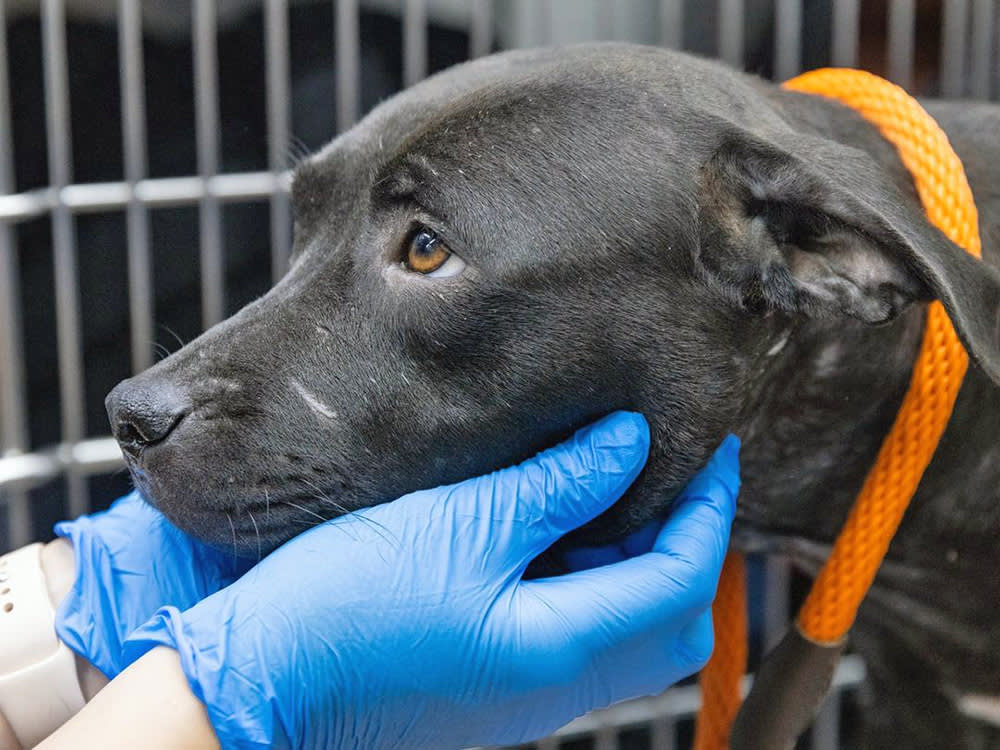
The case that freed 111 dogs in Florida did not begin as an animal investigation at all. It began with a drug tip.
In August 2023, the St. Petersburg Police Department, the Pinellas County Sheriff’s Office Narcotics Unit, and the Florida Department of Law Enforcement opened Operation Pedigree after a tip that a man was trafficking drugs through Hillsborough and Pinellas counties. As undercover detectives pulled the thread, the case widened into something darker: the traffickers were also running a dogfighting ring that stretched across Florida and into Georgia. By the time it broke this past summer, 23 suspects had been arrested, and with the ASPCA’s help, more than 100 dogs had been pulled out of horrific conditions.
That overlap, drugs and dogfighting surfacing in the same investigation, is not a coincidence, and it is the first thing worth understanding about this story.
What the rescue actually looked like
On July 18, responders found 111 dogs crammed into tiny kennels. Many carried scars and untreated medical conditions, the physical record of what they had been forced to endure. Six people were charged specifically with animal baiting and fighting.
The St. Petersburg Police Department called in the ASPCA, which has assisted in the rescue of nearly 6,000 dogfighting victims over the years. The organization is not just hauling crates; in cases like this it supplies the specialized work that makes a prosecution stick, legal assistance, dogfighting expertise, and veterinary and behavioral forensic exams that can document abuse as evidence, while also treating the dogs and giving them shelter. By the ASPCA’s own estimate, tens of thousands of people force hundreds of thousands of dogs to train, fight, and suffer in the United States every year, which makes this 111-dog case a fragment of a far larger problem.
Why this is a federal crime, not just a state one
Here is the legal context the original headlines tend to skip. Dogfighting is a felony in all 50 states, plus Washington, D.C., Puerto Rico, and the U.S. territories. It is also a federal crime. Under the Animal Welfare Act, organizing or participating in animal fighting can carry up to five years in prison and fines as high as $250,000 per offense, and a 2007 federal law specifically targets moving animals across state lines to fight, which is exactly the kind of multi-state ring uncovered in Operation Pedigree.
The law reaches beyond the people running the pit. Knowingly attending a dogfight as a spectator is a federal misdemeanor, and bringing a child under 16 to one is a federal felony. In other words, there is no “just watching” in the eyes of federal law.
The warning signs neighbors are positioned to catch
Because dogfighting is deliberately hidden, the people most likely to spot it are not investigators but ordinary neighbors. Knowing what to look for is the single most useful thing a reader can take from this case.
On the dogs themselves, watch for scarring across the face, lips, legs, and haunches; ears that are torn or cropped very short; and tails cropped short, a tactic to deny an opponent something to grab. In the environment, the tells include dogs tethered with unusually heavy chains anchored to car axles, barrels, or buried weights; multiple dogs kept chained or penned out of public view in a secluded yard, shed, or basement; and persistent barking or whining from a hidden space.
If something looks wrong, the move is not to confront anyone. Report your suspicions to local law enforcement, animal control, or a humane organization, and let trained investigators take it from there. Underreporting is one of the biggest reasons these rings persist, so a single call genuinely matters.
The Florida dogs are now in the system that exists for exactly this purpose, getting medical care, behavioral evaluation, and a path toward placement. The case is a reminder that animal cruelty rarely travels alone, that the law treats it as the serious crime it is, and that the chain from a hidden kennel to a courtroom often starts with someone who simply noticed.
References
- ASPCA. “The Criminal, Underground World of Dogfighting.” https://www.aspca.org/investigations-rescue/dogfighting
- ASPCA. “Recognizing and Reporting Animal Abuse and Neglect.” https://www.aspca.org/investigations-rescue/recognizing-and-reporting-animal-abuse-and-neglect
- Pinellas County Sheriff’s Office. “Joint Press Conference on Narcotics Operation and Dog Fighting Ring.” https://www.pinellassheriff.gov
- “Dog fighting in the United States.” Wikipedia. https://en.wikipedia.org/wiki/Dog_fighting_in_the_United_States
James Okafor covers rescue, adoption, and the causes shaping animal welfare. His work follows the people and organisations working to give more pets a home, and the issues owners and advocates care about most.
Meet our experts ↗Keep reading
 LivingWhy "Bowie's Amendment" Is Fighting for California's Shelter AnimalsMarcus Webb · 5 min
 LivingShe Was Terrified of Pit Bulls. Then She Put Flower Crowns on Them.Leila Torres · 7 min
 LivingThe Animal Pad's Secret Isn't 300 Volunteers. It's That Almost None LeaveLeila Torres · 6 min
 LivingA Judge Called a Dog 'Immediate Family.' Now Read the Fine Print.Claire Sutton · 5 min
 LivingThe CDC's Dog-Import Rules Punish the Rescues Doing Rabies Prevention RightMarcus Webb · 11 min
 Living'You Don't Look Blind': How One Waiter's Words Broke the LawJames Okafor · 5 min