


Your Dog Isn't Disobeying When He Chases Squirrels. He's Hunting
Lunging at squirrels isn't defiance, it's a hardwired predatory sequence. Once you understand why your dog locks on, the fix shifts from fighting his nature to redirecting it.

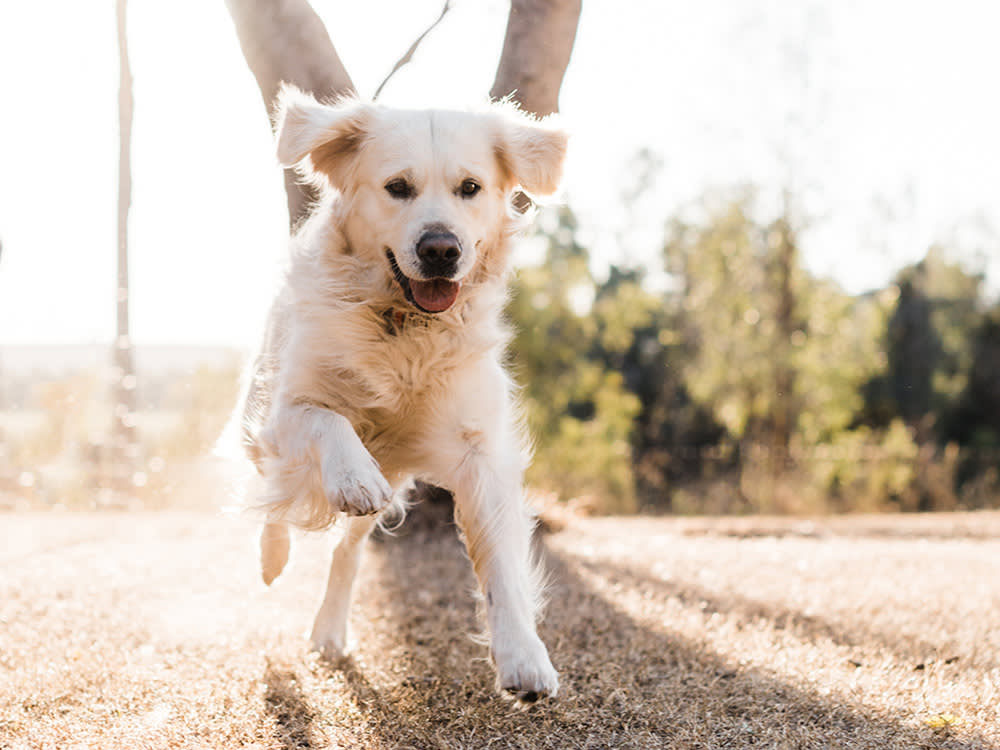
When your dog spots a squirrel and goes rigid, ears up, body coiled, then explodes to the end of the leash, it is easy to read it as defiance. You said his name. He ignored you. He must be stubborn, or testing you, or untrained.
He is none of those things. He is hunting. That lunge is the visible tip of a predatory motor sequence wired into dogs over thousands of years, and it runs largely below the level of conscious choice. Understanding that one fact changes everything about how you fix the problem, because you stop trying to win a battle of wills against instinct and start doing the thing that actually works: interrupting the sequence early and giving it somewhere legal to go. This is the difference between a frustrating walk and a manageable one.
What’s really happening when he locks on
Ethologists describe predation in dogs as a chain: orient → eye-stalk → chase → grab-bite → kill-bite. Different breeds have different lengths and intensities of this chain (a Border Collie’s “eye-stalk” is exaggerated; a terrier’s “grab” is strong), but most dogs carry enough of it that a darting squirrel sets the whole thing in motion.
The crucial part for training is that the chase itself is self-rewarding. Every time your dog gets to fixate, strain, and bolt after a critter, the behavior is reinforced by a flood of feel-good neurochemistry, whether or not he ever catches anything. The squirrel is, in a sense, paying him to practice. That is why “just ignore it and keep walking” rarely works on its own, and why a dog who has rehearsed this for months gets better at it, not worse.
So the realistic goal is not to delete the instinct. It is to interrupt the chain as early as possible (ideally at “orient,” before the eye-stalk traps his attention) and to satisfy the underlying drive in ways you control. Hold that frame and the rest of the plan makes sense.
Step one: build focus where he can actually think
You cannot teach a dog anything when he is over threshold, flooded with arousal and unable to hear you. A squirrel-rich street is the worst possible classroom. Start indoors, or somewhere so boring there is nothing to chase.
Pick one side of your body as the “dog side,” keep the leash relaxed, and reward him for choosing to stay near you and check in. Two technical points carry a lot of weight here:
- Mind the oppositional reflex. Dogs instinctively pull against pressure, so the harder you haul back on the leash, the harder he leans in. You want a loose leash and rewarded attention, not a tug-of-war.
- Use a novel marker. Mark the instant he does the right thing with a crisp, distinct sound like “yes,” then deliver the treat from up at your chest so he learns to look up at your face. Keep the marker word reserved for training so it never loses meaning the way “good boy” does from constant casual use.
Reward the behavior you want in a steady stream. The classic mistake is only producing treats after he has lost focus, which teaches him that drifting off earns a snack to come back.
Step two: drain the drive before you leave the house
This is the piece most people skip, and it is doing the heavy lifting. A dog who never gets to use his hunting brain will use it on the first squirrel he sees, because the drive is pent up. Give it an outlet at home and there is simply less pressure behind the lunge.
Feed meals through puzzle feeders and food-dispensing toys instead of a bowl. Play scent games, hide treats around a room and cue “find it,” which engages the same seeking system that a squirrel hijacks, but on your terms. Sprinkle in short training games. All of this teaches him, additionally, that you are a reliable source of the fun and stimulation he has been chasing outside.
Step three: turn the distractions up slowly
Once he can hold focus and a loose leash in a quiet setting, raise the difficulty one notch: a yard, then a quiet street, then busier areas. Repeat the same exercise at each level, rewarding focus and slack leash, and only move up when he is succeeding.
Resist the urge to rush. As the old line goes, even the brightest fifth grader would fail the high school exam. Meet your dog where he is, keep him winning, and the training stays a game both of you want to play.
Step four: pick gear that helps, not gear that hurts
No tool trains the dog for you, but the right equipment removes the mechanical advantage a puller relies on while you do the actual work.
- Front-clip (no-pull) harnesses attach the leash at the chest rather than between the shoulder blades. That moves your point of contact in front of his center of gravity, so leaning into the leash gets him nowhere and is less likely to trigger the oppositional reflex. Size and fit it carefully; determined dogs can learn to pull sideways with their shoulders, which is hard on the joints over time.
- Head collars loop around the muzzle like a horse’s bridle and, used correctly, are very effective at curbing lunging while staying minimally aversive. They demand slow introduction: snap one on cold and start walking and he will hate it. Desensitize him to wearing it over days, pairing it with treats, and it becomes a powerful, gentle tool.
The principle underneath the gear: dogs repeat what works. Make pulling unproductive and focusing on you rewarding, and he will choose the calmer option because it pays better.
Step five: rehearse near the triggers, on purpose
Now you address the squirrels directly, and the key word is distance. Find a spot where your dog has seen critters before (dogs remember the exact trees and hedges) but position yourselves far enough away that he can still hear you and respond. If he is locked in a fixed stare, you are too close; back up until he can disengage.
At that workable distance, drill the cues that interrupt the predatory chain early: “leave it,” “watch me,” and “let’s go.” Reward disengagement lavishly, because turning away from a squirrel is, for him, genuinely hard. Over many sessions you gradually close the distance while keeping his focus, knowing this will take real time and a lot of management. You are working with nature here, redirecting a drive rather than erasing it.
You can also practice the same impulse control with easier “triggers” you can recruit. Approach a favorite person with your dog on leash, rewarding calm; the instant he pulls or jumps, calmly about-face and walk away until he settles, then try again. He learns that a calm approach earns access and lunging loses it. Pairing the sight of other dogs with rewards teaches the same lesson: see a trigger, look to you.
Step six: make calm the default, not a trick
Leash work alone is not enough. The dogs who handle squirrels best have a deep foundation of everyday impulse control. Get your dog fluent in sit, down, stay, place, drop it, and leave it, then fold those into a “deference routine”: every privilege routes through you first. Door about to open? Couch access requested? He offers a sit or a down before the answer is yes. Over time the pause becomes automatic: he checks in with you before acting on what he wants.
One workhorse exercise: park him on a mat with “place” and treat holding it as calm practice, layering in distraction until he can keep a settle while you cook dinner or greet a visitor. That is the same self-control he will need to let a squirrel pass. It also honors training’s oldest principle: hand him a behavior to say yes to, rather than only vetoing the ones you don’t want.
Owners come to me convinced their dog is being willful, and almost always the dog is just under-exercised in the brain and over threshold on the street. Give that instinct a job at home, interrupt the chase before it starts, and reward the hard choice of looking away. You’re not breaking the hunter. You’re hiring him for different work.
When to bring in a pro
There is no shame in getting help, especially with a strong, high-drive dog. Look for a certified professional trainer who uses LIMA methods (Least Intrusive, Minimally Aversive). The Certification Council for Professional Dog Trainers and the International Association of Animal Behavior Counselors both offer “find a trainer” directories. A good one will sharpen your timing, troubleshoot your specific dog, and, in the process, deepen the bond that is your single best training tool.
References
- Coppinger R & Coppinger L, Dogs: A New Understanding of Canine Origin, Behavior, and Evolution (predatory motor patterns in dogs)
- Certification Council for Professional Dog Trainers, “Find a Trainer” directory
- American Veterinary Society of Animal Behavior, Position Statement on the Use of Reward-Based Training
- Fear Free / LIMA framework, International Association of Animal Behavior Consultants standards of practice
Marcus Webb writes about the gear, gadgets, and everyday choices that make life with a pet easier. His coverage runs from product picks to training and the causes worth paying attention to, always with an eye on what actually earns a place in your home.
Meet our experts ↗Keep reading
 TrainingAnti-Bark Devices Don't Stop Barking. They Punish a Sentence You Can't ReadSasha Ford · 7 min
 TrainingStop Steering. The Walk Is the One Thing Your Dog Should Get to Decide.Dr. Lena Park · 7 min
 TrainingYour Rescue Dog Isn't Being Difficult. They're Decompressing.Dr. Mara Chen · 8 min
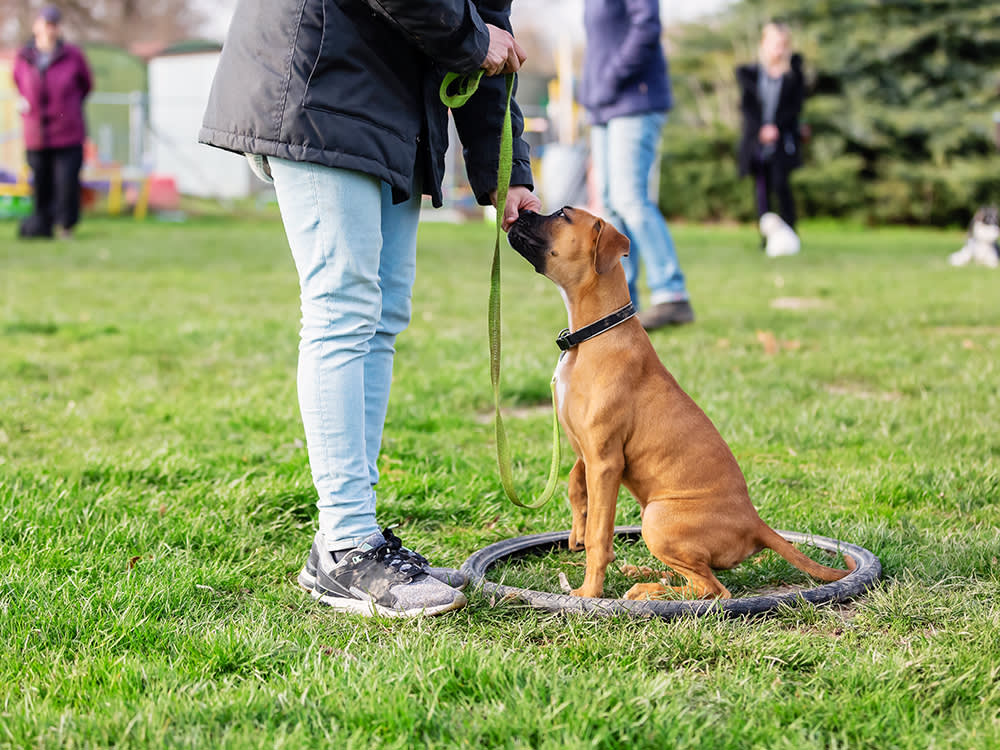 Training"My Dog Only Listens When I Have a Treat." Here's the Fix You Skipped.Dr. Nina Kohl · 6 min
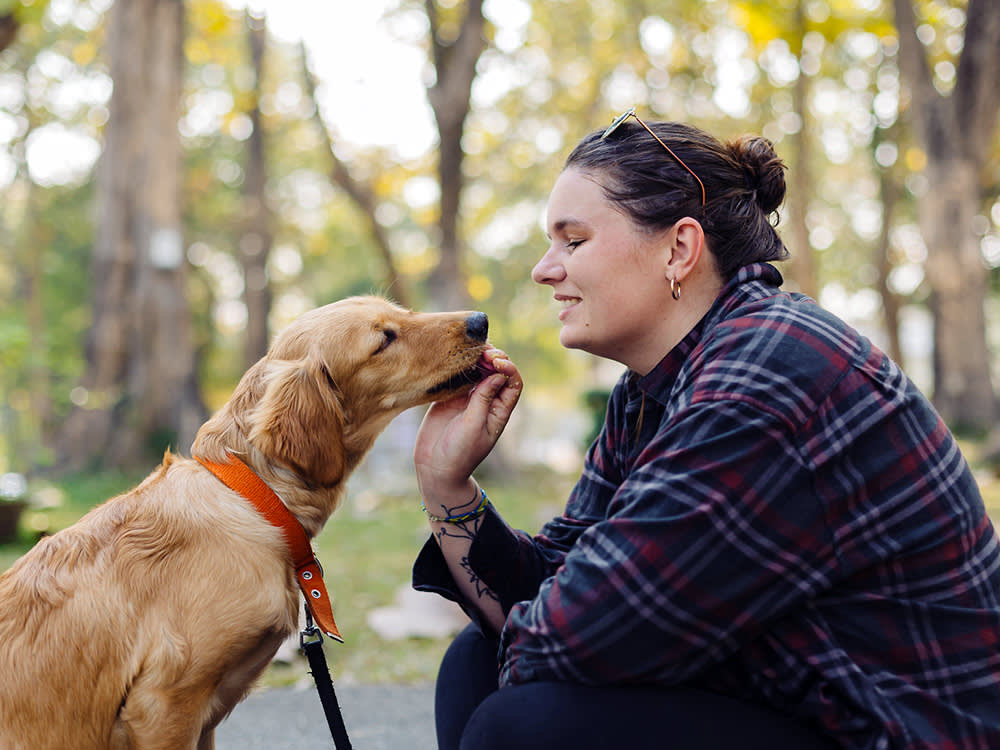 TrainingTreats Teach the Trick. Meaning the 'Good Boy' Is What Makes It Stick.Dr. Ravi Mehta · 4 min
 TrainingThe Puppy Mistake That Costs More Dogs Than Parvo DoesDr. Nina Kohl · 7 min