


The Grey-Muzzle Advantage: 8 Things to Know Before You Adopt a Senior Dog
The things people warn you about with senior dogs, the vet bills, the set ways, the slower pace, are exactly what make them the low-surprise adoption. Here are eight things to sort out before you bring an older dog home.

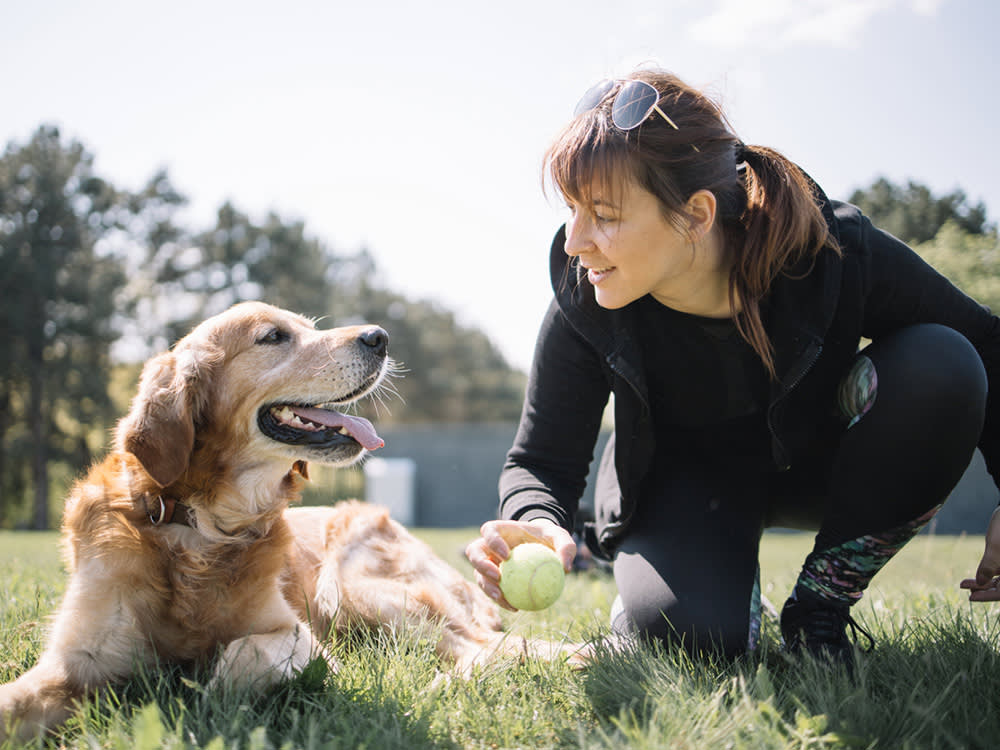
Older dogs carry a reputation that keeps them waiting in shelters: too much baggage, too many bills, too set in their ways to bond. Flip every one of those worries over, though, and you find the real pitch for adopting a senior. A grown dog is a known quantity. Their size, their coat, their temperament, and often their history are already on the table, so you are choosing with your eyes open instead of gambling on what a puppy might become. That is not a consolation prize. For a lot of households, it is the whole appeal.
None of which means you skip the homework. Here are eight things worth squaring away before an older dog moves in.
1. Get to a vet right away and build a baseline
With an adult you inherit, you rarely have a full medical history, so your first job is to create one.
When I meet a newly adopted senior, the most valuable thing we do that day is establish a baseline, bloodwork, a weight, a good physical exam. Later, if something shifts, we are comparing against real numbers instead of guessing. That baseline is often what buys you extra good years together.
An early visit also means a vet who already knows your dog if an emergency hits, which can save both time and money on frantic diagnostics down the line. Ask about a senior wellness panel while you are there.
2. Budget for the predictable, not just the scary
Older dogs do tend to need more care, but “more” is usually manageable if you plan for it. Set aside a monthly cushion for things senior dogs commonly need, dental work, joint support, and a couple of extra check-ins a year. If you are considering pet insurance, do it with clear eyes: many insurers charge higher premiums for older pets, some cap the enrollment age, and pre-existing conditions typically are not covered, so a policy taken out after a diagnosis will not pay for that condition. A few providers do enroll dogs at any age, so shop around before you assume your senior is uninsurable.
3. Make the house work for an older body
Aging joints turn a favorite couch or a flight of stairs into an obstacle. A ramp or a set of pet steps solves most of it, and they do not have to be expensive; a sturdy step stool, or a simple ramp you build yourself, works just as well as a boutique version. Getting these in place before your dog arrives saves everyone a few weeks of awkward lifting.
4. “Senior” is not the same as “low energy”
Do not write an older dog off as a permanent couch cushion. Plenty of seniors still want a real walk, a game, and a purpose, and many arrive carrying extra weight simply because their previous life got too sedentary. Getting them moving again often revives an energy you did not know was in there. For the genuine mellowers, swap distance for engagement: shorter strolls plus chews and food puzzles give them an outlet without taxing the joints.
5. Keep the mind busy on purpose
A working brain is one of your best defenses against age-related decline, including the confusion and disrupted sleep of canine cognitive dysfunction. This does not require anything elaborate. Feeding meals out of a puzzle toy, running through a few sits and downs, or teaching a simple new cue all keep the gears turning. Even a low-energy dog benefits from a daily dose of gentle mental work.
6. Yes, they can learn new things
The old cliché is just wrong. Older dogs pick up new skills readily and tend to enjoy the process, and low-stakes activities like scent games or basic obedience are a satisfying workout for an experienced brain. If your dog already knows a repertoire, keep it sharp by practicing. Learning is not a young dog’s privilege.
7. Give the transition real time
A senior often comes to you having spent years running one household on one set of rules. Those grooves are deep, so adapting to your home, your schedule, and your quirks can take longer than it would for an adaptable puppy. Patience is the whole strategy here. Think of it as a relationship built on mutual respect, and let them set some of the pace.
8. Introduce other pets slowly, and allow retreat
Even a dog who lived happily with other animals before will not automatically mesh with yours. Go slow with introductions and do not force them until everyone genuinely relaxes. One of the kindest things you can offer a new senior is a quiet room of their own, a place to slip away from the household bustle and decompress. Needing that downtime is normal, not a red flag.
What’s new since this was written
Senior-dog adoption has quietly become one of the brighter spots in rescue. Dedicated senior programs, foster-to-adopt setups, and “silver muzzle” or senior-for-senior matching efforts have spread across shelters, and some organizations now help subsidize the medical costs that once scared adopters off. The pet-insurance market has shifted a little in older dogs’ favor too, with more providers offering age-friendly or accident-only plans, though the fine print on age limits and pre-existing conditions still varies widely, so read it carefully before you buy.
Adopting an older dog is not the harder path, just a different one, and the trade you make, a little more medical planning in exchange for a personality you can already see, is a good deal for the right household. You are not signing up for a mystery. You are giving a settled, grateful dog a soft place to finish out a very good life.
References
- American Veterinary Medical Association. “Senior Pet Care (FAQ).” https://www.avma.org/resources/pet-owners/petcare/senior-pet-care-faq
- ASPCA. “Senior Dogs.” https://www.aspca.org/pet-care/dog-care
- AAHA. “Senior Care Guidelines for Dogs and Cats.” American Animal Hospital Association. https://www.aaha.org/aaha-guidelines/
Dr. Solis is a board-certified veterinary dermatologist with over twelve years of clinical experience. She advises on skin conditions, allergies, and grooming practices that affect coat and skin health. All dermatology and allergy content at The Pet Times is reviewed by her team before publication.
Meet our experts ↗Keep reading
 LivingSome Dogs Aren't Built for Your Apartment. Meet the Farm Dog Who Proves It.Leila Torres · 8 min
 LivingA Man Cried About His Dog on Live TV. A Shelter's Inbox Exploded.Sara Lim · 5 min
 LivingCrufts Just Crowned Its Best Dog. The Handler's Past Became the Story.Jordan Ellis · 5 min
 LivingNobody Wanted Elvis. Then an Elvis Impersonator Walked In.Nina Vasquez · 3 min
 LivingBig Dogs Don't Lose Their Homes Over Behavior. They Lose Them Over Leases.Marcus Webb · 6 min
 LivingSouth Korea Banned the Dog Meat Trade. Nobody Planned for the Dogs.James Okafor · 9 min