


The One Change That Made Every Other Part of a Dog's Life Better
A quarter-century of improvements for dogs, from gentler training to safer car rides, all trace back to a single shift: dogs moved from the backyard to the family. Here is how that one change rewired everything else.

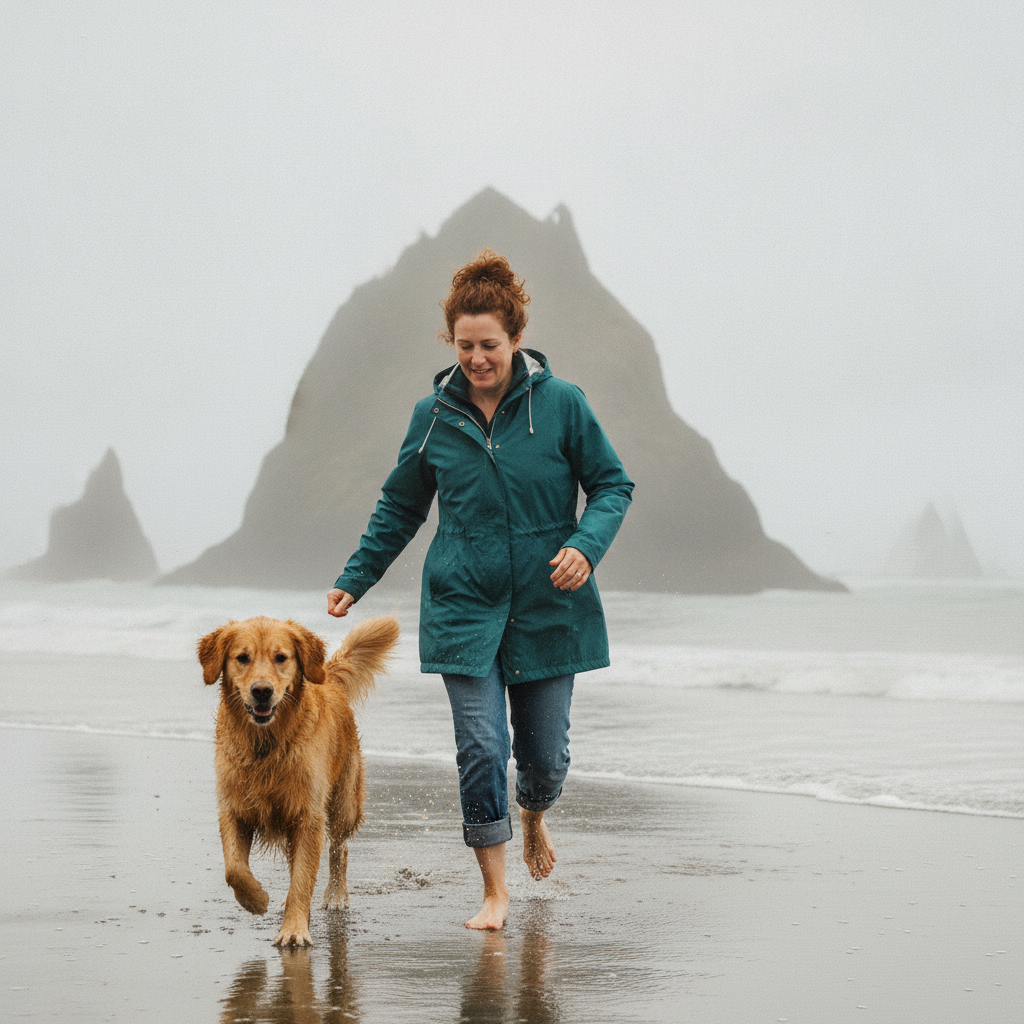
It is easy to list the ways a dog’s life has improved over the last 25 years: kinder training, better vet care, safer car rides, nicer toys. But a list like that misses the more interesting story, which is that none of those improvements happened independently. They are all downstream of one change. Somewhere over the past quarter-century, the dog moved out of the backyard and into the family, and once a dog is family, everything else follows.
You can see the size of that shift in the numbers. In 2025, Americans spent about $158 billion on their pets, and dog ownership reached 53 percent of U.S. households. Industry analysts have a blunt word for what is driving it: humanization. Pets used to be treated as property; now they are treated as people. That reframing is the engine. Here is how it turned into seven concrete wins for the dog asleep on your couch.
When a dog is family, you stop hurting them to train them
The clearest sign of the shift is how we teach dogs. A generation ago, coercion was standard: leash pops, choke chains, and shock collars answered every mistake with discomfort. That has largely given way to reward-based methods, where you teach a dog what to do and then pay them for getting it right with treats, play, or affection. Not everyone has made the switch, but the momentum is unmistakable, and the leading veterinary behavior organizations now formally recommend reward-based training and discourage aversive tools.
The logic is exactly the family logic. You do not manage a member of the household with pain; you teach them. Two downstream gains came with it. Help is far easier to find than it was, so a dog with aggression, destructive chewing, or compulsive behaviors gets a qualified behaviorist instead of, as was more common 25 years ago, a death sentence. And the gear caught up: a dog who once wore a choke chain now has humane, effective options like a front-clip harness or a head halter that steer without choking.
When a dog is family, you spend on their health like they’re family
Treat a dog as kin and you start buying them the medicine you would buy a relative. The menu of options for a dog in pain has exploded. Beyond better drugs, there is canine acupuncture, a range of massage and bodywork techniques, laser therapy, and physical rehabilitation, so many dogs with arthritis or an old injury now get relief instead of simply living with the ache or enduring the side effects of a single medication.
That same instinct shows up in prevention. The humanization trend that analysts track is, in practice, a flood of money into proactive wellness: dental care, weight management, senior screening, and the kind of routine vet visits a yard dog of 25 years ago rarely got. A dog who is family gets checkups, not just emergencies.
When a dog is family, they come with you
A dog who lives in the house does not get left behind at the door. More hotels welcome dogs, more shops and restaurants set out a water bowl, and plenty of people bring their dogs to work. Travel got both more common and dramatically safer: crash-tested crates and certified seat-belt harnesses mean fewer dogs slide loose around the back of a moving car, the way nearly all of them once did. Belonging to the family is what put the dog in the passenger seat, and safety gear is what keeps them there in one piece.
When a dog is family, their fun counts
Play used to be a frill. Now it is understood as essential to the bond between people and dogs, and that recognition reshaped how dogs spend their days. The toy aisle went from balls and sticks to puzzle feeders, treat-dispensing chews, snuffle mats, and durable interactive toys built to occupy a bored brain. Beyond toys, an entire world of dog-centered activities opened up, agility, flyball, scent work, herding, lure coursing, rally obedience, trick classes, and even dog camps where people and their dogs do all of it together. A backyard dog got fed and watered. A family dog gets a hobby.
The change underneath all of it
Strip away the specifics and one fact remains. Twenty-five years ago, a meaningful share of dogs lived outside, in the yard, as semi-detached members of the household. Today the overwhelming majority live indoors, underfoot, in the middle of family life. Wholeheartedly folding a dog into the family, a view once held only by the very devoted or the slightly eccentric, became the mainstream default. Every other improvement, the gentler training, the better medicine, the safer travel, the richer play, is just what happens when a species you used to keep at arm’s length moves in and becomes one of yours.
So congratulate the dog in your house for showing up at exactly the right moment. For dogs, the good old days are not behind them. They are happening on your couch, right now.
References
- “The American Pet Products Association (APPA) Releases 2025 Dog & Cat Report,” APPA.
- “U.S. Pet Industry Reaches $158 Billion in 2025,” American Pet Products Association.
- “AVSAB Position Statement on Humane Dog Training,” American Veterinary Society of Animal Behavior.
- “Canine Rehabilitation and Physical Therapy,” American Animal Hospital Association.
Tom Hadley writes about training and behavior, helping owners understand what their pets are trying to tell them. His work covers everyday manners, decoding common behaviors, and the small changes at home that make dogs and cats easier to live with.
Meet our experts ↗Keep reading
 LivingVan Life With a Dog Isn't a Vibe. It's a Heat-Management Job.Marcus Webb · 7 min
 LivingWalking Dogs for a Living Is a Real Business. The Boring Parts Are What Make It WorkJames Okafor · 7 min
 TrainingSix Weeks of Crate Rest Will Break You Both. Give the Dog a Job Instead.Dr. Nina Kohl · 8 min
 First DaysIf Your Dog Needed Emergency Surgery Tomorrow, Could Your Sitter Say Yes?Claire Sutton · 7 min
 TrainingThe One Thing Your Dog's Breed Is Quietly Begging You ForJordan Ellis · 7 min
 TrainingNo, You Don't Need a Show Dog to Compete in ObedienceTom Hadley · 7 min