


Winter Dog Gear, Ranked by the Danger It Prevents: 20 Picks for the Cold
Cold-weather gear isn't a cute parade, it's protection against three real winter injuries: hypothermia, salt-burned paws, and cracked skin. Here's which dogs and temperatures actually need it, plus 20 picks sorted by the danger they solve.

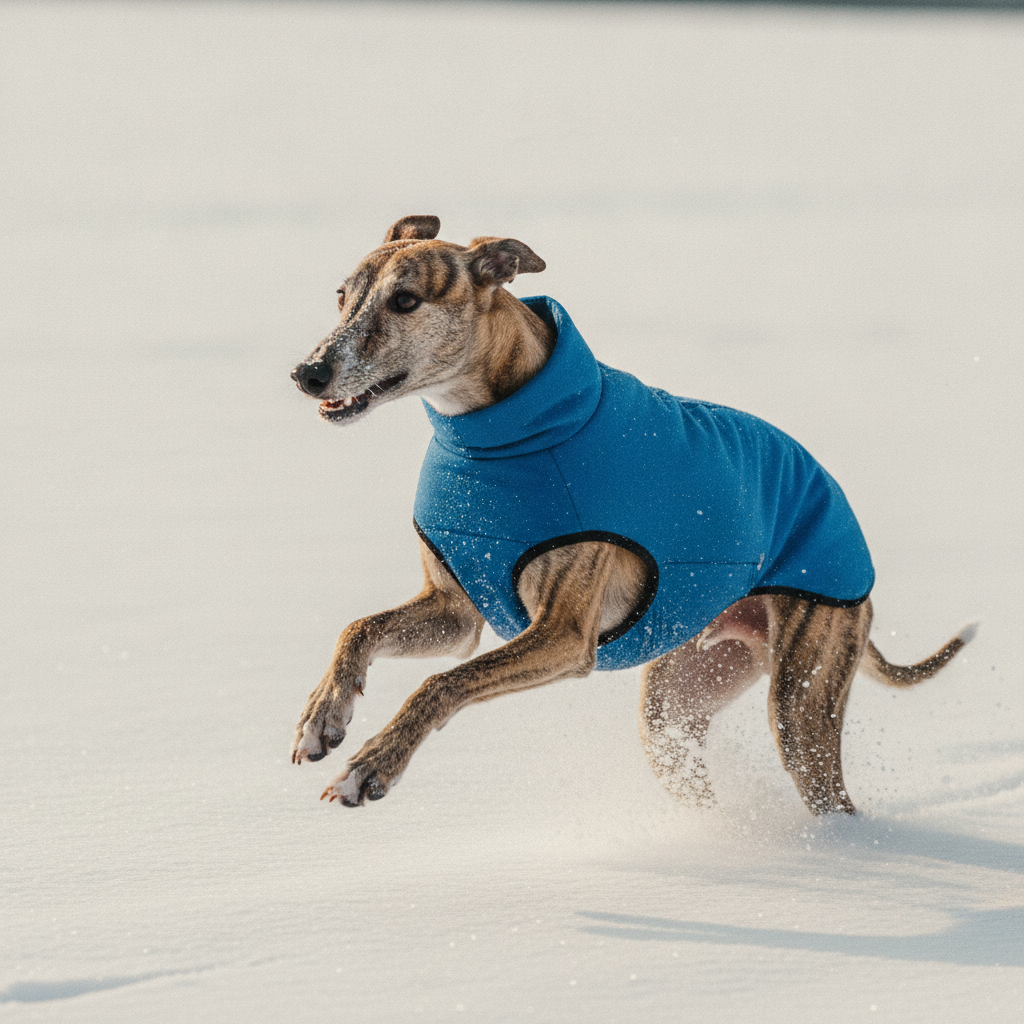
A winter gear guide should start with a number, not a sweater. That number is 32 degrees Fahrenheit, the point where vets say to start limiting any dog’s time outside, and it drops fast for the dogs who lose heat quickly. In sub-zero air, hypothermia can take hold in 5 to 10 minutes even in a healthy adult dog. Cold-weather gear is not decoration; it is the thing standing between your dog and three specific winter injuries.
So instead of parading products, we sorted them by the danger each one solves. Cold itself (hypothermia and frostbite), the chemicals on the ground (salt and ice-melt burns), and the dry air (cracked noses and pads). Buy from the top tier first, for the dog and the temperatures that need it, and treat the style picks as the reward for getting the safety right.
“People ask me which coat is warmest, when the better question is whether their dog needs one at all and at what temperature,” says Dr. Nina Kohl, a Pet Times veterinary contributor. “A short-haired or small dog is in a coat at 40 degrees. A Husky is fine bare at 20. And almost every dog that walks a salted city sidewalk needs paw protection, which is the part owners skip most.”
Tier 1: Beat the cold (hypothermia and frostbite)
This is the tier that matters for short-haired, small, young, old, or thin dogs. Get warmth right before anything else.
A heavily insulated jacket. With 250 grams of recycled-polyester fill and a bright, weather-resistant shell, this is among the warmest dog jackets made. The pick for genuinely frigid days, sub-20 outings, and dogs with little coat of their own. Best for thin and short-haired breeds; overkill for a double-coated dog.
A PAIKKA reflective coat. Thinsulate insulation, fully waterproof, and reflective day and night so a dog is visible in early-dark winter walks. The all-rounder coat: warm enough for cold, visible enough for safety. Reflectivity is the underrated feature on short December days.
A sherpa jacket. Cozy, durable, and made from recycled materials, with a built-in collar that adds neck warmth. Think Uggs for the trail. Best for moderate cold and dogs who run warm but need a layer.
A Maxbone puffer vest. Metallic, waterproof, and snap-fastened so it comes off in a second when your dog wants to romp unencumbered. Good for active dogs on milder cold days who need core warmth without sleeves.
A turtleneck collar. From LA label Giu Giu, a neck-and-chest warmer for dogs who only need a little extra at the core. The minimalist option for dogs who tolerate cold but have an exposed throat and chest.
A Love Thy Beast hoodie. Hand-dyed in icy tones with a buttonhole so a harness or collar threads through underneath. A light layer for cool, not frigid, days, and the harness pass-through is genuinely practical.
A Floof bed. The recovery half of cold-weather safety. UnHide’s ultra-soft marshmallow fill eases muscle and joint tightness after a cold romp, and the bolstered edges give a chilled dog a warm place to burrow. Warming a dog back up after a walk matters as much as the coat during it.
A YETI dog bed. Trademark YETI durability with a detachable travel pad, built to survive a muddy, snowy winter and the back of a truck. For dogs who winter-camp or ride along on cold-weather trips.
A mini dog tent. A 12-inch shelter that gives a camping dog a windbreak and their own warm corner at a snowy campsite. Niche but genuinely useful for cold-weather campers.
Tier 2: Protect the paws (salt, ice melt, and chemical burns)
The tier owners skip most, and the one vets wish they wouldn’t. Ice-melt chemicals crack and chemically burn pads, and they are toxic if licked off. Boots or balm, plus a wipe-down at the door, every time.
Waterproof rubber boots. Biodegradable and fully waterproof, these block both the cold and the salt that burns pads. The cleanest protection if your dog tolerates boots. Best for salted city sidewalks.
WagWellies. Open-vented slits make these far easier to get on than typical boots, which is the whole battle with dog footwear. The pick for a dog who has rejected boots before.
The Caesar 1 dog sneaker. Built from the same lightweight materials as performance running shoes, for active dogs who need grip and protection on packed snow and ice. The performance option for sporty dogs.
Paw balm. Organic beeswax and natural oils form a barrier against snow, ice, and salt for dogs who refuse footwear entirely. Not as protective as boots, but far better than bare pads, and easy to reapply.
Nonipup Boop Butter. An all-natural balm for paws and noses that lifts crust, eases inflammation, and supports healing on skin already cracked by cold. The repair balm for damage that has already started.
Tier 3: Fight the dry air (cracked noses and skin)
Winter air strips moisture from a dog’s most exposed skin. Small tubes, real relief.
Snout Soother. Natural Dog Company’s nose balm sets a dry, cracking winter nose right quickly. The targeted fix for the classic crusty winter snout.
A trapper hat. Thick ear flaps keep heat from escaping through a dog’s ears, the spot most prone to frostbite on long exposures. Equal parts function and comedy, and the ears genuinely benefit.
Tier 4: Adventure logistics (gear that makes the trip work)
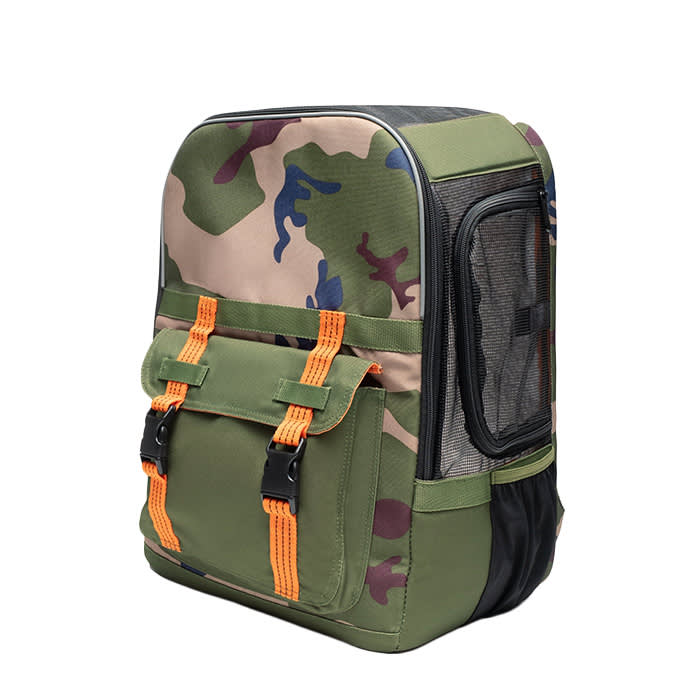
Warm and protected, now make the outing run smoothly.
A pet backpack. Smaller dogs run out of legs on long winter hikes; this carries them the extra distance, and the washable faux-sherpa liner doubles as a warm bed at a rest stop. Best for small dogs on long routes.
A suede harness. A Velcro-and-clip closure keeps a squirrel-chasing dog secure, in a material that holds up to trail use and looks the part. A sturdy everyday trail harness with cold-weather style.
A multi-length leash set. Three leashes at 16, 33, and 49 feet for open stretches where your dog can roam and tight spots where you want them close. Genuinely useful for varied winter terrain.
A Wilderdog reusable food bag. Replaces the single-use plastic of packing kibble for an overnight, which is the small sustainability win that nags every outdoorsy owner. For multi-day cold-weather trips.
The takeaway
Start at the top. Warmth for the dog and temperatures that need it, paw protection for anyone walking salted ground, balm for the dry-air casualties, and logistics last. Watch the 32-degree line, keep sub-zero outings to minutes, wipe every paw at the door, and know the hypothermia signs. Get those right and the sherpa jacket and the trail leashes are pure, well-earned fun.
References
- VEG ER for Pets. “Hypothermia in Dogs: Signs and Tips to Protect Your Pup This Winter.” veg.com.
- Bond Vet. “Is Salt Bad for Dogs’ Paws? The Dangers of Ice Melts.” bondvet.com.
- American Veterinary Medical Association. “Cold Weather Animal Safety.” avma.org.
- American Kennel Club. “How Cold Is Too Cold for a Dog?” akc.org.
Common questions
How cold is too cold for a dog?
Once it drops to around 32 degrees Fahrenheit, vets advise limiting outdoor time for any dog, and short-haired, small, very young, very old, or thin dogs may need a coat well before that. Below roughly 20 degrees, even cold-hardy breeds are at real risk and outings should be short. In sub-zero conditions hypothermia can set in within 5 to 10 minutes, so dress the dog who needs it and keep the trip brief.
Is sidewalk salt and ice melt dangerous to dogs?
Yes, on two fronts. Ice-melt chemicals are corrosive to paw pads, causing tiny cracks and chemical burns that make the tissue more vulnerable to true frostbite and infection. They are also toxic if your dog licks salt off their paws after a walk. Protect the paws with booties or balm, and wipe every paw with a damp cloth as soon as you get home, every time.
Which dogs actually need a winter coat?
Short-haired breeds (Greyhounds, Pointers, Boxers), small and toy breeds that lose heat fast, puppies, seniors, thin or sick dogs, and any dog not acclimated to cold. Thick double-coated northern breeds like Huskies and Malamutes usually do not need one in moderate cold, though even they benefit from paw protection on salted streets.
What are the signs of hypothermia in a dog?
A dog's normal temperature is 101 to 102.5 degrees Fahrenheit; below 99 is concerning and below 98 is critical. Watch for violent shivering that then stops, lethargy, weakness, pale gums, and stumbling. If you see these, get the dog warm and to an emergency vet. Stopping shivering is not relief, it can mean the body is losing the fight.
Tom Hadley writes about training and behavior, helping owners understand what their pets are trying to tell them. His work covers everyday manners, decoding common behaviors, and the small changes at home that make dogs and cats easier to live with.
Meet our experts ↗Keep reading
 Product PicksA Dog Carrier Tote Is a Safety Product in Disguise. Buy the Specs FirstLeila Torres · 6 min
 Product PicksThe Tick Tool in My Pack Isn't for Removing Ticks. It's for Removing Them RightMarcus Webb · 5 min
 Product PicksPet Clothes That Earn Their Keep: A Buyer's Guide to Coats, Rain Gear, and FunSara Lim · 6 min
 Product PicksA $168 Pet Bag Won't Get You Past the Gate. A Tape Measure Will.Sara Lim · 6 min
 Product PicksA Pool Float Is a Safety Decision, Not a Photo Op: 10 Picks by Swimming TypeJordan Ellis · 6 min
 Product PicksSenior Dogs Don't Have a Pity Problem. They Have a Visibility Problem.Nina Vasquez · 7 min