


The 1% Pledge Is the Floor, Not the Finish Line: 9 Pet Brands That Go Further
A 1% for the Planet membership is a real commitment, but it's a baseline. Here are nine pet brands that back the pledge with materials, missions, and practices that actually move the needle, and how to judge any green brand for yourself.

Affiliate disclosure. This article contains affiliate links. We may earn a small commission if you buy through a link, at no extra cost to you. How we handle recommendations.
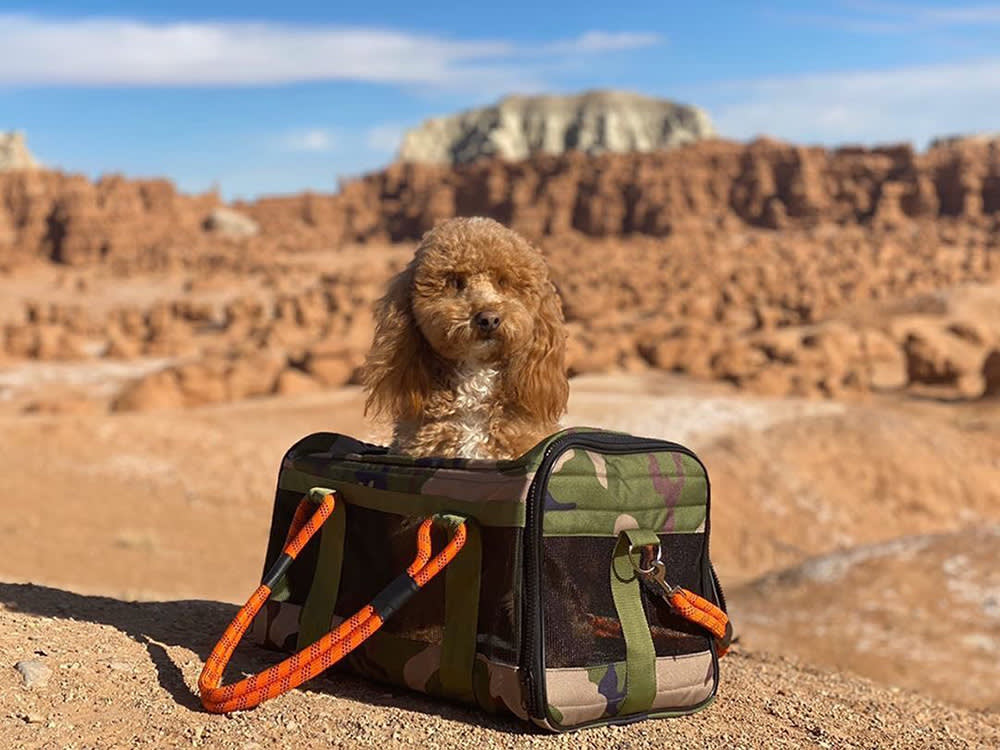
Loving your pet and loving the planet they live on go hand in paw, and one of the cleanest signals that a pet brand means it is membership in 1% for the Planet, the global network where each business pledges to donate one percent of its annual revenue to vetted environmental nonprofits. The organization verifies every gift, so the money actually lands where it should, and the network has now directed more than $865 million into environmental work since 2002, on its way toward a billion. As Patagonia founder and 1% for the Planet co-founder Yvon Chouinard framed it, this is not charity but overhead:
“This is not philanthropy, this should be a cost of doing business. It’s paying rent for our use of the planet.”
But here is the thing worth saying out loud: the 1% pledge is a floor, not a finish line. One percent of revenue is meaningful, and it is also the entry ticket. The brands worth your money are the ones that treat the pledge as a baseline and then go further, in the materials they choose, the mission they fund, and how their product is actually made. So as you read the nine below, watch for that second layer, because it is the real test, and at the end we will turn it into a checklist you can use on any “green” brand.
Roverlund — durable design that earns its carbon
Roverlund makes durable, design-forward pet gear built to outlast the throwaway cycle, which is sustainability’s least flashy but most important lever: a product you do not replace. Their totes, leashes, and beds suit city and trail alike, and the Out-of-Office Pet Carrier is made from marine- and mountaineering-grade materials and sized to meet most airline cabin requirements. The further step here is durability as a strategy, not just a donation.
Wanderuff — recycled webbing, closed loop
Wanderuff weaves every collar, leash, and harness from recycled plastic webbing and ships in eco-friendly packaging, keeping single-use plastic out of landfills at the material level. Its nonprofit partner is the Pacific Parklands Foundation, which protects natural spaces around Vancouver, where the company is based, so the giving stays tied to its own backyard.
Catbuzz — local, low-impact, and a little science
The most fun purchase you make for your cat may also be the most sustainable. Catbuzz from Pettobox is a hand-harvested, locally sourced, pesticide-free catnip blend in a reusable cotton pouch, grown in Rainier, Washington, under a sustainable-intensification model that yields high-quality crops with minimal environmental impact. A fun fact worth the buy: catnip response is hereditary, and roughly 70 to 80 percent of cats get about ten minutes of giddy delight from it. The further step is a genuinely low-impact supply chain, not just a recyclable label.
Project Blu — trash into treasure
Project Blu is a UK brand out to remake pet accessories from waste: ocean-bound plastic, recycled textiles, and discarded fishing nets. Founded as a direct answer to throwaway culture, each handmade collar, toy, and bed is built to last. The ELeather Laguna collar is upcycled from leather bound for the landfill. The further step: the raw material itself is rescued waste.
Project Hive — funding pollinators directly
We love all creatures great and small, bees included, which is why Project Hive stands out. The brand makes toys from eco-friendly materials and vegetarian treats with a drop of organic honey, and routes one percent of revenue to The Bee and Butterfly Habitat Fund, a nonprofit restoring pollinator habitat. The further step is a tightly targeted mission, repairing the specific ecosystem its product celebrates.
Petaluma — plant-based food that cuts the footprint
Petaluma makes sustainable dog food entirely from plants, with oven-baked recipes and dehydrated chews built on roasted peanut butter, sweet potato, and chickpeas to deliver a full nutrient spectrum without meat. Since pet diets carry a heavy share of the meat industry’s footprint, swapping the protein source is one of the highest-impact changes a pet food can make, and the brand will send a free sample so you can test acceptance before committing. The further step is attacking the single largest source of a pet’s environmental impact: the bowl.
Less Litter — a box that outlives the landfill
Laguna Beach-based Less Litter is the world’s only maker of litter boxes built entirely from medical-grade stainless steel, the same material used for surgical instruments. Plastic boxes have a short life at home and an eternal one in a landfill, and cannot be recycled; a steel box gives your cat a clean, safe space and can be melted down and remade when it finally wears out. The further step is full recyclability at end of life, the part most “eco” products quietly fail.
Wilder Harrier — alternative proteins, a fraction of the impact
As the case for reducing meat consumption grows more urgent, Wilder Harrier makes whole-food dog products from alternative proteins, crickets, fish, and seaweed, each with an ecological footprint a fraction the size of chicken or beef. Pet diets account for roughly 30 percent of the environmental impacts of animal-product consumption in the U.S., so this is the same high-leverage move as Petaluma, from a different angle. The further step is reinventing the protein itself.
Doggy Do Good — compostable bags and a broader mission
Doggy Do Good is a family-owned shop best known for certified home-compostable pet-waste bags, a genuine upgrade over the “biodegradable” bags that often need industrial conditions to break down. It matters at scale: the average dog owner throws away more than 1,000 waste bags a year. The brand’s mission also reaches past pets, donating at least 10 percent of profits quarterly to animal-welfare groups including The Humane Society, Gentle Barn, and Friends of Animals. The further step is a giving commitment that dwarfs the 1% baseline.
How to judge any “green” pet brand
Use the brands above as a template. A pledge is a starting point; the brands that earn your dollar clear a higher bar. Before you buy, ask:
- What is it made of? Recycled, rescued, plant-based, or recyclable materials beat virgin plastic, no matter what the label says.
- Will it last? A durable product you keep for years beats a “compostable” one you replace constantly.
- Where does the giving go, and how much? A specific, verified partner and a percentage above the 1% floor signal real commitment.
- Does it tackle the big lever? For pets, the food bowl and the waste stream carry the largest footprint, so brands working there move the needle most.
The bottom line
The 1% for the Planet pledge is a reliable sign a pet brand is serious, and it is only the beginning of the story. The nine brands here back the pledge with rescued materials, recyclable design, alternative proteins, and giving that goes well past one percent. Use the same four questions on anything you buy, and you will spend your money where it actually helps the planet your pet runs, forages, and naps in.
References
- “Our Impact.” 1% for the Planet, onepercentfortheplanet.org.
- Okin, Gregory S. “Environmental Impacts of Food Consumption by Dogs and Cats.” PLOS ONE, vol. 12, no. 8, 2017, e0181301.
- “Pet Waste and Water Quality.” U.S. Environmental Protection Agency, epa.gov.
Leila Torres leads our Living coverage, from home life and travel to the products and rescue stories that come with sharing a life with animals. She edits and writes across the section, with a soft spot for pieces about the bond between people and their pets.
Meet our experts ↗Keep reading
 Living'Pet-Safe' Is a Marketing Word. Read the Label Instead.Dr. Nina Kohl · 7 min
 Product Picks'Natural' Pet Care Is a Word Nobody Checks. Read the Back of the Bottle.Dr. Amara Solis · 7 min
 Product Picks7 American-Made Pet Brands Worth Your Memorial Day DollarsLeila Torres · 6 min
 Product Picks'Pet-Safe' Bug Spray Isn't Pet Spray. Read That Before You Buy.Sara Lim · 7 min
 LivingThis Pet Brand Gives Away Every Dollar of Profit. On Purpose.Nina Vasquez · 5 min
 Living"Eco-Friendly" Cat Gear Is Mostly a Sticker. 6 Swaps That Aren't.Nina Vasquez · 8 min