


You Can't Discipline a Cat. Trying Is Making the Behavior Worse
Punishing a cat, yelling, the spray bottle, physical force, doesn't just fail. Research shows it actively increases the exact problems you're trying to stop, from aggression to peeing outside the box. Here's what to do instead, and why it works.


Type “how to discipline a cat” into a search bar and you’ve already made the core mistake, and it’s not your fault, because the whole culture around cats frames their behavior as misbehavior to be corrected. But here’s the uncomfortable truth that decades of behavior science now support: you can’t discipline a cat, and every attempt to do it makes things worse. Not “worse” as a scolding figure of speech, worse as in measurably more of the behavior you were trying to eliminate.
The reason is baked into how cats work. At its core, discipline means punishment, and punishment only “teaches” when the animal links the correction back to the thing it did. Cats don’t forge that link the way we imagine. What they do connect is that being near you sometimes brings fear, stress, or pain, and a stressed, frightened cat produces more unwanted behavior, not less. So the goal of this article isn’t to give you better punishments. It’s to get you out of the punishment frame entirely, because the frame itself is the problem.
When someone tells me their cat is being ‘bad,’ I stop them and ask what the cat is actually trying to get. There’s always a need underneath, play, safety, a place to scratch. Punishment ignores the need and just adds fear on top of it. Meet the need and the ‘bad’ behavior usually has nowhere left to go.
Yes, cats can be trained, just not through fear
First, dispel the myth that cats are untrainable. They’re highly trainable and intelligent, and they learn the same way every animal does: through experience and reward. If you got a treat every time you smiled at someone, you’d smile more. If your cat gets praise or a treat every time they use the scratching post instead of the couch, they’ll use the post.
The difference from dogs is motivational. Many dogs treat pleasing you as its own reward; cats run more like a barter system. If the payoff is valuable enough, they’ll happily participate; if not, you’ll need to sweeten the deal. Cats also respond well to clicker training, the same marker-based method used with dogs and other animals. So the tools are there, they just run on rewards, never on correction.
What to do instead of disciplining
The alternatives vary by problem, but they share a spine. Here are the dos and don’ts.
Skip punishment altogether. Your cat’s behavior is driven by deep instinct, and punishment can’t override instinct; it just piles stress onto it. Reach for positive methods instead.
Never use physical force. Any physical correction harms your relationship and the behavior. This is genuinely hard in the moment, a scratch or bite can trigger a reflexive elbow or kick before you even register it. Do your best to manage those reactions, because they won’t solve anything and will make it worse. Remember that cats have a powerful survival instinct and will defend themselves when they feel threatened, and a cat who feels cornered can do real damage before you’ve thought it through.
Offer alternatives and outlets. Punishment overlooks whatever your cat was actually after. You have to give them a “yes,” a sanctioned way to get it, or they’ll go find one themselves. Scratching the furniture means they need a better scratcher. Play-attacking your arm out of boredom means they need more play and enrichment. Solve for the “why” and you give both of you a better path.
Lean into positive reinforcement. This is the single best thing you can do. When your cat uses the litter box, chooses the stool over the counter, or attacks a toy instead of your hand, reward it, with treats, praise, play, petting, whatever your cat loves. You’re telling them exactly which behaviors pay.
Don’t scare your cat. No yelling, clapping, stomping, or other startle tactics. Even when two cats are fighting and your instinct screams to make noise and break it up, startling them usually escalates the fear rather than defusing it.
Retire the spray bottle. Nearly everyone has reached for one at some point. It lands squarely in the stress-and-fear category, and it teaches your cat that you are sometimes a source of unpleasant surprises.
Give an aggressive cat space. Fear sits underneath most feline aggression, and a frightened cat will protect itself. Play-aggression, common in high-energy cats, is different but responds to the same in-the-moment move: leave the area. A scared cat needs time to decompress; a rowdy one learns that the game ends the instant teeth come out. Address the underlying triggers separately, and channel that play drive into better outlets, but right then and there, the answer is simply to step away.
Don’t punish accidents in the house. The old “rub their nose in it” idea is not just useless, it’s counterproductive. House-soiling signals a medical, emotional, or litter-box problem, and stress is a huge trigger. Punishing it worsens the stress and buries the real cause. Take a breath, remember almost anything can be cleaned, and start investigating.
Talk to your vet. Behavior changes can be symptoms of medical problems. Sudden soiling, aggression, vocalizing, or new fearfulness can all stem from pain or illness, so an unexplained behavior shift warrants a vet visit.
Try clicker training. It’s a great way to reinforce the behaviors you want and work through fear and problem behaviors, for cats just as much as dogs.
Two of the most common battles
Biting. A bite can come from all sorts of places: fright and self-defense, over-the-top play, a bid for attention, hidden pain, or a cat trying to enforce a limit. Whatever the cause, you can work on it positively by identifying the type and trigger and responding with redirection and rewards rather than correction.
Counter-surfing. From your cat’s point of view, the counter is completely reasonable: it’s a surface, there’s food, and it’s where everyone gathers. From yours, it’s a hygiene problem. The answer, again, is training and management rather than punishment, rewarding the cat for choosing an approved perch and making the counter less rewarding.
When to get help
You don’t have to figure this out alone. A feline behavior consultant can help identify the need or trigger behind an unwanted behavior and build a modification plan. And your veterinarian is a key partner for ruling out or treating any medical cause. Between the two, most “bad cat” problems turn out to be solvable, once you stop trying to discipline and start trying to understand.
What newer research adds
This isn’t just a philosophy, it’s what the evidence shows. Studies of cats have linked punishment-based handling to a clear increase in problem behaviors rather than a decrease. In one study, cats were roughly twelve times more likely to eliminate outside the litter box in homes where guardians used positive punishment, and aggression toward people, objects, and other animals was more common in punished cats. The pattern mirrors what’s been found in dogs: aversive methods raise fear, stress, and aggression while worsening the animal’s relationship with its owner, and they don’t deliver better obedience in exchange.
That’s why the professional consensus has moved decisively toward reward-based training as the recommended standard for both cats and dogs. The takeaway for your household is practical and freeing: you can drop the guilt-inducing project of “disciplining” your cat, because it was never going to work, and put that energy into the thing that does, figuring out what your cat needs and rewarding the behavior you want to see more of.
References
- Cornell Feline Health Center. “Feline Behavior Problems: House Soiling.” Cornell University College of Veterinary Medicine, 2018, vet.cornell.edu.
- Kogan, L., et al. “Assessment of clicker training for shelter cats.” Animals, vol. 7, no. 10, 2017, p. 73, doi.org/10.3390/ani7100073.
- American Veterinary Society of Animal Behavior. “Position Statement on the Use of Punishment for Behavior Modification in Animals.” avsab.org.
This article is for general education. For persistent behavior problems, consult your veterinarian and a qualified feline behavior consultant.
Common questions
Can cats be trained like dogs?
Yes. Cats are highly trainable, and many techniques overlap with dog training, including clicker training. The motivation differs: dogs often work to please you, while cats operate more like a barter system, they'll participate if the reward is worth their while. Make it worth their while and cats learn readily.
Why shouldn't I use a spray bottle or yell at my cat?
Because they add fear and stress without teaching your cat anything useful. Startling or scaring a cat doesn't address why they did the thing, and it damages their trust in you. Research links punishment-based approaches to more behavior problems, not fewer, including house-soiling and aggression. Redirecting to a rewarded alternative works far better.
My cat keeps peeing outside the litter box. Is that spite?
No. Cats don't soil out of revenge. House-soiling almost always signals a medical issue, a litter box problem, or stress. Punishing it makes the underlying stress worse and won't fix the cause. Start with a vet visit to rule out medical problems, then look hard at the litter box setup and any stressors.
Dr. Kohl is a board-certified veterinary dentist with a particular interest in preventive oral care. She reviews all dental health content at The Pet Times and contributes practical guides on home dental routines, professional cleaning, and oral disease prevention.
Meet our experts ↗Keep reading
 TrainingThe Paw on Your Mouth at 4 A.M.? You Trained That.Dr. Amara Solis · 6 min
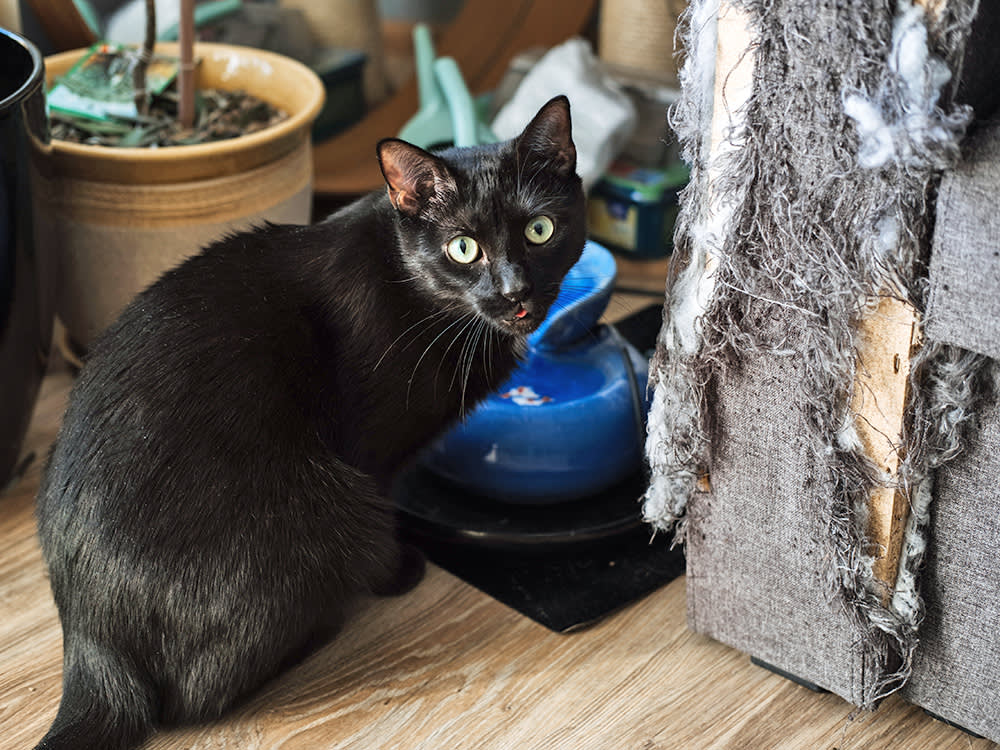 TrainingThe Couch Isn't the Problem. It's Where You Put the Scratching Post.Dr. Nina Kohl · 7 min
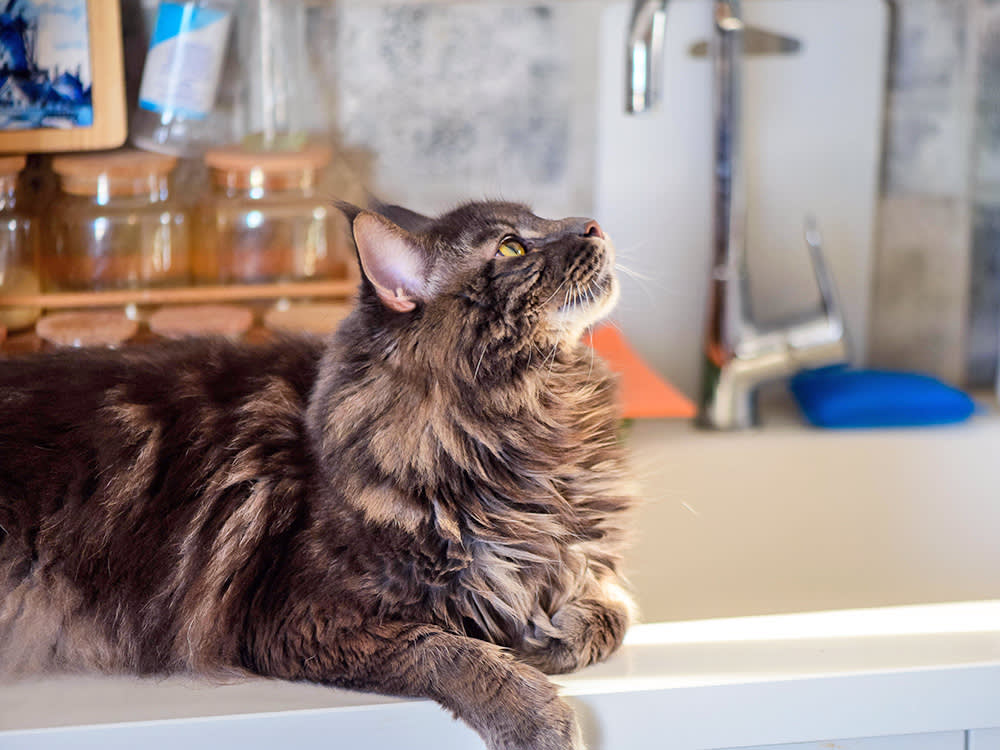 TrainingYou Can't Train a Cat Off the Counter. You Can Outbid Her.Dr. Mara Chen · 8 min
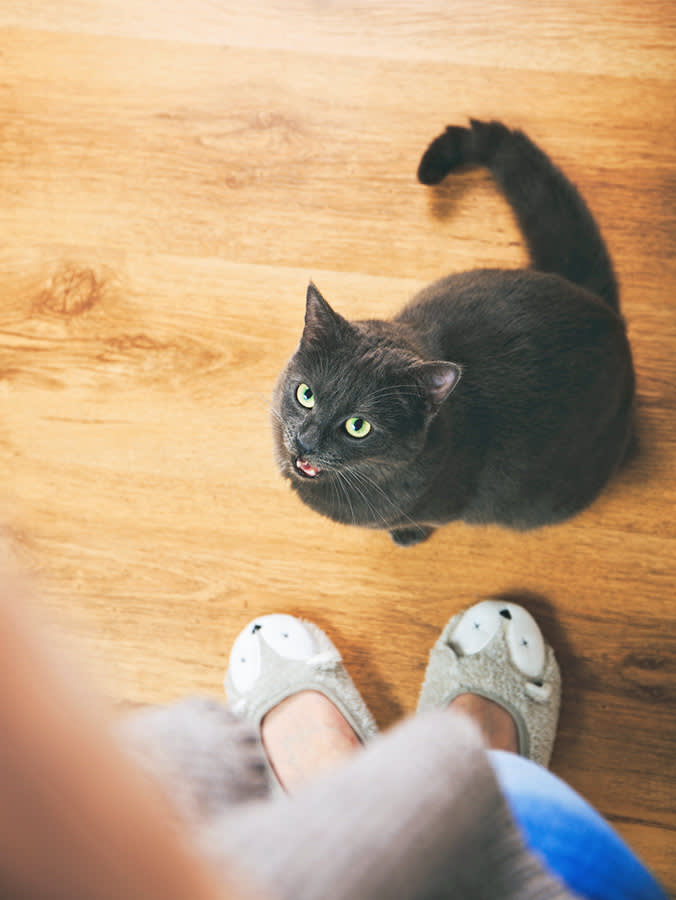 TrainingYour Cat Screams at 3am Because You Never Let It Finish the HuntDr. Mara Chen · 8 min
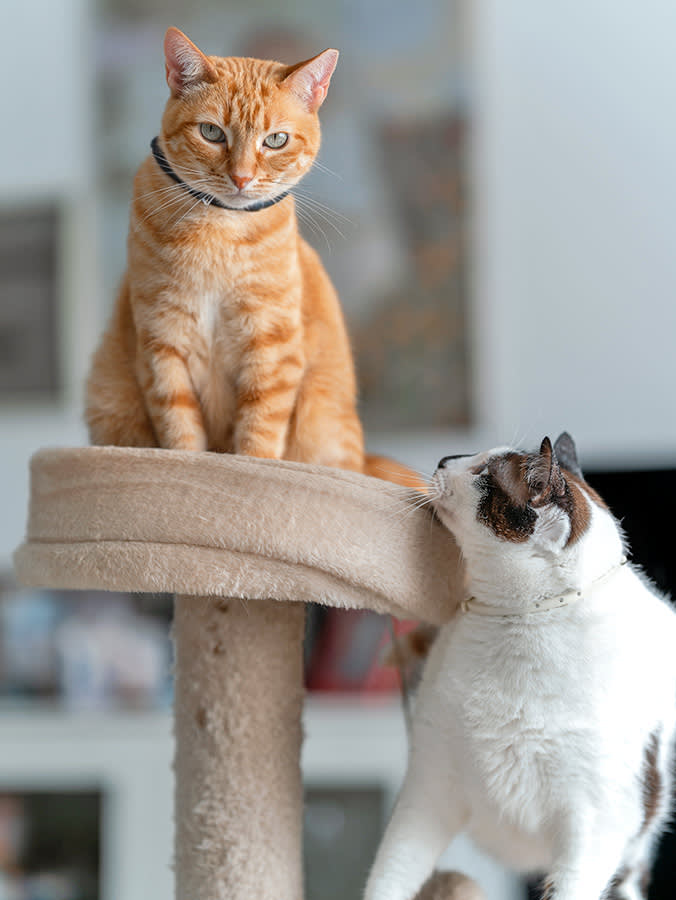 TrainingYour Cats Don't Hate Each Other. They Just Don't Smell Like a Family Yet.Dr. Amara Solis · 9 min
 Training8 Kind Things You Do That Your Cat Reads as ThreatsDr. Amara Solis · 8 min