


More Walking Isn't Better. Some Dogs Are Being Walked Into the Ground.
Everyone tells new dog owners to walk their dog constantly. For certain dogs, that advice is dangerous. How to tell the difference between an under-exercised dog and an overwalked one, and what to do instead.

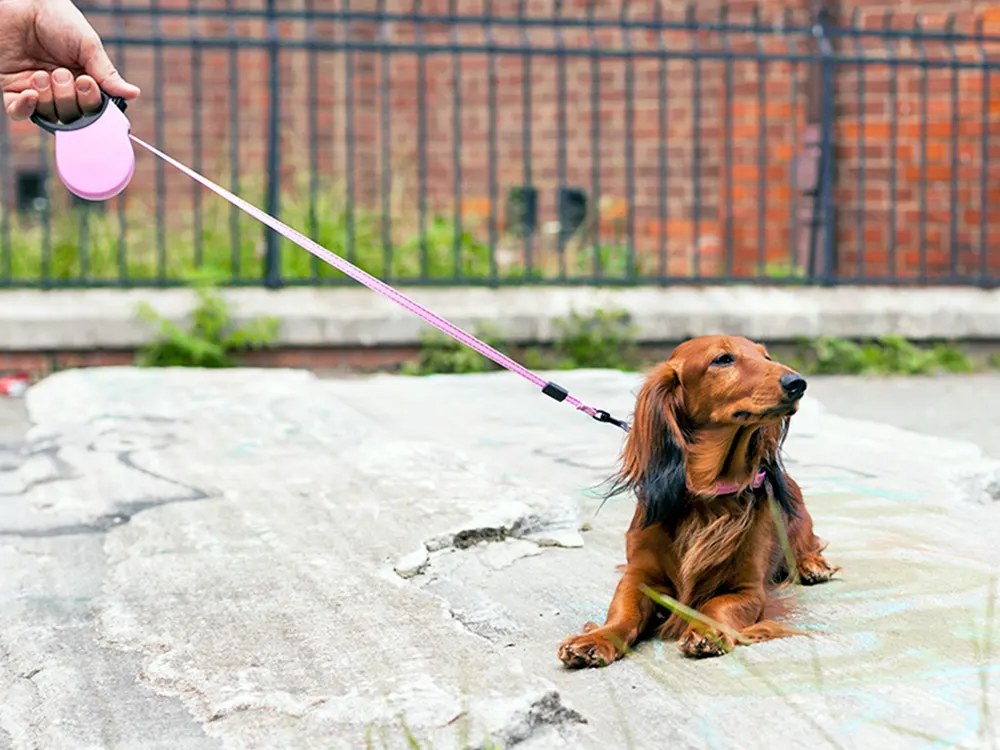
The first thing anyone tells you when you get a dog is that you’re going to be walking it constantly. Rain, dawn, holidays, hangovers, it doesn’t matter; the dog needs its miles. For plenty of dogs, that’s true. But this piece of conventional wisdom has a blind spot big enough to hurt a dog, because the belief that a dog can never get too much walking is simply wrong, and for some dogs it’s actively risky.
Certain dogs can be walked past the point of benefit and into the territory of injury, heatstroke, joint damage, or chronic stress. The trick is knowing which dog you have, reading the signals it’s giving you, and being willing to do the un-intuitive thing: sometimes the healthiest walk is a shorter one, or no walk at all.
The number doesn’t exist, and that’s the point
There’s a temptation to want a rule, a magic minutes-per-day figure. Professional dog walkers will tell you the honest answer is that it depends. A working range often lands somewhere between 30 minutes and two hours a day, but that span is enormous for a reason: a Border Collie and a Pug are not running the same body. Before you decide how much to walk your dog, you have to look at the specific dog in front of you.
People hear ‘exercise’ and mentally file it next to ‘more is better,’ the way we think about our own step count. But a dog’s day should be a mix of things, some motion, some sniffing, plenty of rest, and a bit of problem-solving. Blow past that balance with a high-anxiety or high-energy dog and you don’t get a calmer dog, you get one sliding into chronic stress. The nervous system has a budget, and walking spends from it.
Breed and body type change the math
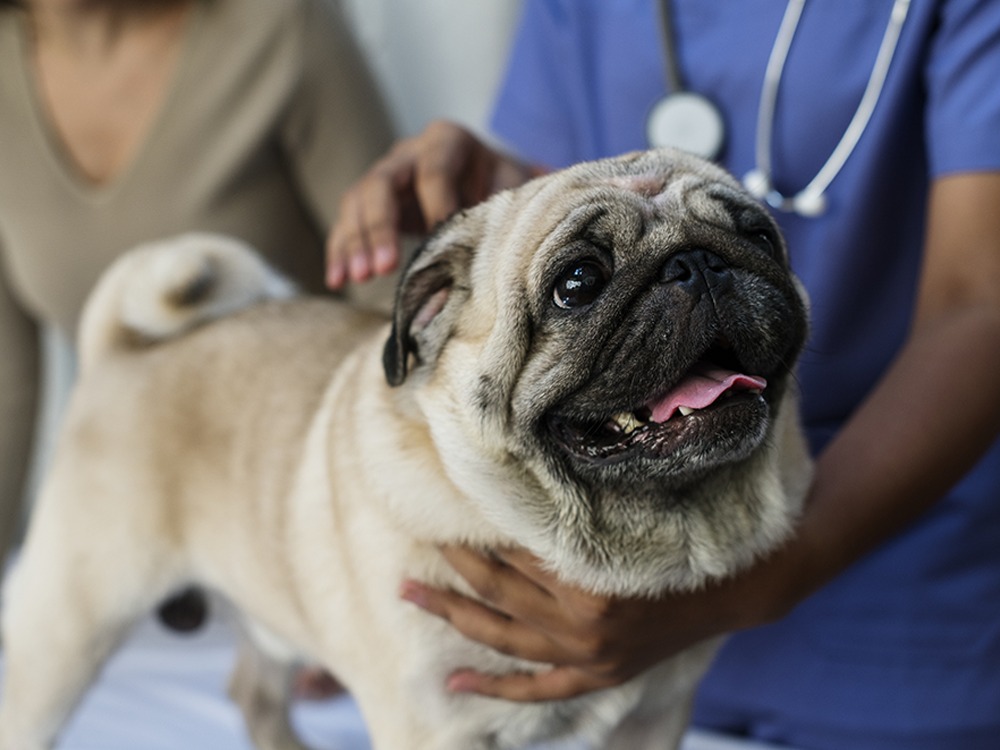
Start with physiology, because some dogs are set up to overheat or overexert no matter how willing they seem. Flat-faced, or brachycephalic, breeds like Pugs and Boston Terriers carry a real, built-in risk: their compressed airways make it hard to move enough air, so a walk that’s easy for a Beagle can leave them in respiratory trouble. Toy breeds like Chihuahuas and Pomeranians usually do better with shorter, gentler outings, though even the tiniest dog still needs some genuine daily movement. If you have one of these dogs, a vet who knows the breed is the right person to help you find the ceiling.
Size doesn’t tell the whole story, though. Energy level cuts across it. A Jack Russell Terrier is small and can handle a startling amount of activity, while working breeds of any size carry an intense drive that a short stroll won’t satisfy, physically or mentally. Under-exercise those dogs and you get behavior problems; the goal is matching the walk to the dog’s actual needs, not to a stereotype about its size.
Rescue dogs deserve special mention. A newly adopted dog can be overwhelmed by too much stimulation before it’s ready, so tolerance for walking and the wider world should be built gradually, with a close eye on how the dog is coping.
Age is the other big lever
Puppies are the group people most often overwalk with the best intentions. Their bodies are growing fast, and too much hard exercise during that window can set up long-term joint problems. A useful, conservative guideline is roughly five minutes of walking per month of age, which also happens to suit a puppy’s short attention span and doubles as gentle training time.
At the far end, senior dogs generally need less as their bodies slow and stiffness or pain creeps in. But less is not none. Continuing to walk older dogs, adjusted to their comfort, protects muscle mass and mobility, which are exactly the things you don’t want a senior dog to lose. There’s no formula here either; you watch the individual dog and respond to how it handles each outing.
Health and environment can override everything
A dog’s medical status can quietly change the whole equation. Heart conditions and arthritis, among others, may call for shorter, more controlled exercise, sometimes leashed only, to keep a dog from overdoing it and getting hurt. A dog’s weight and general fitness factor in as well, shaping how far and how hard it should go.
Then there’s the weather, which is the fastest way to turn a normal walk dangerous. Both extreme heat and extreme cold cut into how much a dog can safely tolerate, and overwalking in bad conditions can lead not just to strains but to genuinely life-threatening outcomes like heatstroke, dehydration, and exhaustion, or hypothermia at the other extreme. On those days, shorten the walk and lower the intensity, full stop.
Learn to read the “stop now” signals
Because there’s no universal dose, reading your dog is the real skill. An overworked dog will usually tell you. Watch for heavy or excessive panting, drooling, and a dog that starts lagging, refusing to go farther, or lying down repeatedly. Those are not stubbornness; they’re a dog signaling it has reached discomfort and exhaustion, and the walk should end. Other warning signs run subtler: a dog that seems wired or restless rather than tired, stiffness or limping, increased reactivity, drinking noticeably more than usual, and sleeping more than its baseline.
When you see them, the answer isn’t to push through. Give the dog a genuine low-arousal rest day: let it sniff around the yard, offer calm enrichment, and if there’s any sign of pain, check with your vet.
What to do instead of another lap
Here’s the part that reframes the whole issue. For a great many dogs, the fix for a drained, overwalked animal isn’t more exercise or none, it’s different exercise. Mental work and scent-based activity can satisfy a dog more deeply than another long march, and they don’t tax the body the same way.
“I’d rather see an owner swap the second hour of walking for ten minutes of nose work than white-knuckle through a hike,” Dr. Park says. “Sniffing and problem-solving drain a dog in a way that’s genuinely restorative. Walking should support a dog’s wellbeing, not drain its nervous system, and for a lot of dogs the sweet spot is less distance and more brain.”
What newer research adds
The science has caught up to what good trainers have said for years: sniffing is not filler, it’s exercise for the mind that measurably calms the body. Recent work on canine scent activity has found that when dogs are allowed to sniff freely, their heart rate drops in proportion to the time spent nosing around, and studies of decompression-style “sniffari” walks report lower heart rate, lower respiration, and lower cortisol, the stress hormone. Behavior consultants increasingly frame a slow, dog-led sniffing walk as one of the highest-value, lowest-impact things you can do for a dog, precisely because ten focused minutes of scent work can tire a dog as thoroughly as a much longer jog. For an overwalked, over-aroused dog, that’s the whole ballgame: trade some of the miles for a walk where the goal is the nose, not the distance.
References
Common questions
How much should I walk my dog?
There's no universal number. A rough professional range is 30 minutes to two hours a day, but it depends heavily on breed, age, health, fitness, and weather. Working breeds need far more than toy breeds, and puppies and seniors need far less than adults in their prime.
What are the signs my dog is overwalked?
Excessive panting, drooling, lagging or refusing to walk farther, lying down frequently, stiffness or limping, restlessness or a 'wired' quality, increased reactivity, drinking excessively, and sleeping more than usual. If you see these, cut the walk short and rest.
Not a substitute for your vet. Our guidance is educational. For urgent symptoms, contact a vet or emergency clinic right away. Editorial standards
Dr. Park is a board-certified emergency and critical care specialist. She reviews our health and safety content for clinical accuracy and contributes guides on recognising urgent conditions. Her focus is helping owners act quickly and correctly when it matters most.
Meet our experts ↗Keep reading
 Health & WellnessA Once-a-Year Flea and Tick Shot Is Here. The Real Story Is the Gap It ClosesDr. Ravi Mehta · 4 min
 Health & WellnessThe 'Mystery Dog Illness' Wasn't a Mystery. Here Are 8 Ways to Keep Your Dog Out of It.Dr. Mara Chen · 7 min
 Health & WellnessYour Dog's Panting Isn't the Problem. Panting With No Job to Do Is.Dr. Ravi Mehta · 8 min
 Health & WellnessAlmost Everything Your Dog Catches Stays With the Dog. Here's the Short List That Doesn't.Dr. Ravi Mehta · 6 min
 Health & WellnessHeartworm Treatment Is a Brutal, $3,000 Ordeal. Prevention Is a Chewable.Dr. Lena Park · 6 min
 Health & WellnessThe Fleas on Your Dog Are 5% of the Problem. The Rest Is in Your CarpetDr. Ravi Mehta · 10 min