


Half of Dog Parents Can't Relax on Vacation. The Science Says the Dog Is Fine.
A survey of 2,000 dog parents found that most of us spiral with guilt the second we leave for a trip. The bittersweet twist from behavior research: your dog isn't lying by the door pining for you. Here's how to actually enjoy the vacation.

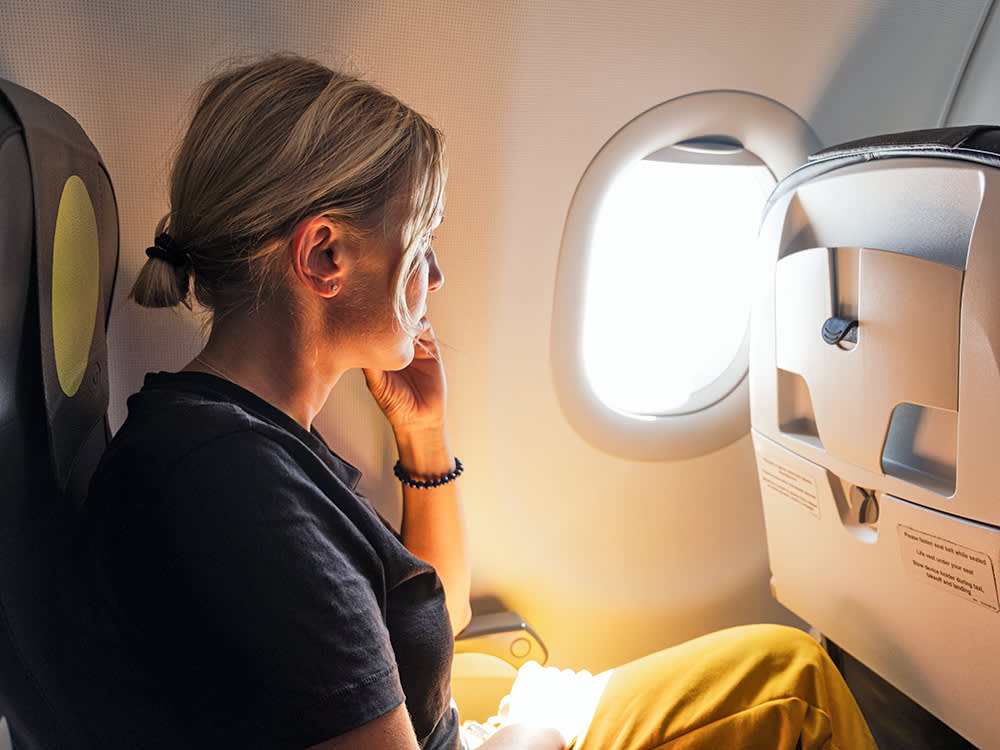
You saved for the trip. You planned the trip. You are now on the trip, standing somewhere beautiful, and you are quietly miserable, because you keep thinking about a specific animal who is roughly 2,000 miles away and, frankly, having a great time without you. If that’s you, you are not broken and you are very much not alone.
A survey of more than 2,000 dog parents, conducted by Talker Research, put numbers to the thing every traveling dog owner already feels in their chest at the airport. The findings are equal parts validating and, once you understand the behavior science underneath them, a little bit freeing.
The numbers on how hard we take it
The headline stat: 40 percent of dog parents said they “constantly” worry about their dog while they’re away. Not occasionally. Constantly. And it’s not just background hum, either. Twenty-two percent said they miss their dog so much that it actively drags down how much they enjoy the trip.
The rest of the survey reads like a group text no one admits to being in:
- On an average day away, dog parents miss their dog about 13 times.
- The pining starts fast. It takes people roughly 53 minutes after leaving to start missing their dog, which means for a lot of us the ache kicks in before we’ve even cleared airport security.
- To cope, about one in five respondents have asked their pet sitter to hold the phone up to their dog.
- Seventeen percent have requested a full video call with their pup.
That last habit is sweet, and also worth a gentle reality check: dogs don’t really grasp what’s happening on a screen. Your face on FaceTime is soothing you, not them. Which brings us to the part that changes everything.
The bittersweet news: your dog is not sad
Here’s the reframe. While you are spiraling, your dog is almost certainly not lying by the door in a state of heartbreak. They love you, deeply. They are also profoundly present-tense creatures, living in the now in a way humans mostly can’t.
The behavior evidence we have suggests dogs simply aren’t running the anxious mental math we assume they are, the when is she coming back, the where did they go. That kind of forward-projecting worry appears to be more our specialty than theirs. So the image driving your guilt, a dog counting the hours until your return, is largely a story you’re telling yourself.
Owners project their own separation anxiety onto the dog and then feel guilty about a suffering that mostly isn’t happening. A well-cared-for dog with food, company, and a familiar routine isn’t tracking the calendar. Once people really absorb that, the guilt loosens, and they can finally be where they actually are.
None of this means your dog doesn’t miss you at all or won’t be thrilled when you walk back in. It means the version in your head, the pining, the resentment, the countdown, is mostly imported from your feelings, not theirs.
So enjoy the trip. Here’s how to make it easier.
If the source of your stress is missing your dog, the fix is partly just permission to let the guilt go. But if the stress is really about whether your dog is in good hands, that’s solvable with a little structure before you leave:
- Vet the sitter properly. Meet them with your dog present, ask how they handle an emergency, and get a feel for whether your dog actually likes them. A calm, confident sitter is worth more than a cheap one.
- Set up updates on your terms. A daily photo or short video from the sitter scratches the itch far better than a live call that only unsettles you. Ask for a specific cadence so you’re not refreshing your phone at dinner.
- Leave the comfort kit. Their normal food, familiar toys, a worn t-shirt that smells like you, and their usual routine written down. Consistency is what actually keeps a dog settled.
- Match your dog’s energy. They live in the now. For a few days, try to as well. The trip is happening whether or not you’re mentally back home.
There will always be times you don’t get a choice, the work conference, the out-of-town wedding, the family thing. Those are exactly the moments not to pile guilt on top of obligation. Set your dog up well, trust the science that says they’re okay, and go have the vacation you paid for. Worst case, your best friend is one video update away, and they’ll be doing zoomies at the door the second you’re back.
This article touches on pet behavior and separation. It’s general information, not a substitute for advice from your vet or a qualified behavior professional, especially if your dog shows signs of genuine separation anxiety.
References
Dr. Chen is a small-animal veterinarian who leads health and safety coverage at The Pet Times. She writes and reviews the bulk of our illness, condition, and safety content, translating clinical guidance into clear, practical advice owners can act on at home.
Meet our experts ↗Keep reading
 LivingBring the Dog: 11 NYC Date Spots Where Your Pup Is the Best WingmanSasha Ford · 5 min
 LivingFor Andrew Knapp, the Dogs Are the Whole MapClaire Sutton · 7 min
 LivingStrangers Get Exactly Two Questions About Your Service Dog. Here's Your Script.Leila Torres · 6 min
 LivingYour Dog Is Not Lying by the Door Missing YouJordan Ellis · 7 min
 LivingInside the 'Soho House for Dogs,' Where a Dog Park Costs $1,400 a YearSasha Ford · 6 min
 LivingA Nightlife Guy, a Stubby Bulldog Mix, and 7-Minute Trail MilesMarcus Webb · 6 min