


The 'Velcro Dog' Is Sweet Until It Isn't. Know the Difference.
Your dog follows you to the bathroom, the kitchen, the garage. Most of the time that's love. But a few kinds of following are your dog struggling, not adoring you. Here's how to tell them apart.


The phrase “Velcro dog” exists because the experience is universal. Into the bathroom. Under the covers. Down the hall because you announced, to no one, that you were going to grab your charger. Dogs are relentlessly social, so a dog that wants to be wherever you are is the least surprising thing in the world. Mostly, it’s a compliment you didn’t ask for.
But “my dog follows me everywhere” is really two different stories wearing the same coat. In one, your dog trails you because being near you is the best part of their day. In the other, your dog trails you because being away from you is unbearable, and those two things call for completely different responses. Telling them apart is the whole game, and it comes down to one question: is your dog following out of joy, or out of panic?
The happy reasons, which are most of them
Start with the reassuring news, because it covers the majority of Velcro dogs. Dogs are pack animals who form fast, deep bonds and genuinely prefer company to solitude. When your dog sticks to you, they’re usually just being who they are. A handful of everyday motives explain most of it:
Companionship, plain and simple. Your dog bonded to you and wants to be near you. That’s the baseline.
Attention and anticipation. Dogs learn that when you move, good things sometimes follow, a walk, a snack, a game, a scratch behind the ears. Following is a small bet that the next good thing is about to happen, and past experience has taught them the bet pays off often enough to keep placing it.
Food and walks. Sometimes your movement really does mean dinner or a leash, and your dog has clocked the pattern. Head toward the treat jar or the door and watch how fast the theory gets tested.
Boredom. A dog with not enough to do will follow you simply because it beats lying on the floor watching you. You’re the most interesting show available.
None of these are problems. A dog who cheerfully accompanies you around the house, then settles when you settle, is a well-adjusted dog enjoying their favorite person.
The reasons that mean your dog needs help
Now the other story. A few motives for following aren’t affection; they’re a dog struggling, and they deserve a real response.
Fear and discomfort. Some dogs get clingy when something frightens them. The classic trigger is a thunderstorm, and often the following starts before you’d notice anything, when the wind picks up or the barometric pressure drops, well ahead of the first clap. If your normally independent dog velcros to you specifically during storms or other unsettling events, the following is a plea for security.
Not feeling well. A dog in pain or coming down with something often wants to be close for comfort or help. If a dog who usually gives you space suddenly won’t leave your side, and especially if anything else seems off, that shift can be an early flag that something physical is wrong.
Separation anxiety, the serious one. This is the version that most needs distinguishing from ordinary clinginess, because it’s a genuine medical and behavioral condition, closer to a panic disorder than to affection. A dog with separation anxiety can’t tolerate being apart from you at all, sometimes not even a room away, and the following is one visible piece of a much larger distress.
The line I watch for is whether the dog can be calm without me in sight. A dog who follows me around and then relaxes when I sit down is bonded and content. A dog who unravels the second I’m behind a closed door isn’t clingy, they’re in distress, and that’s a very different thing to treat. When in doubt, loop in your vet, because true separation anxiety responds best to a real plan, not tough love.
The catch with separation anxiety is that its signs, drooling, pacing, whining, barking, house-soiling, destructive chewing, scratching at doors, also show up in dogs who are simply bored, under-exercised, or overdue for a bathroom break. One useful tell: dogs who spiral as you’re getting ready to leave, or in the first few minutes after you go, are likelier to have true separation anxiety than dogs who only act up after hours alone. Because it’s a diagnosable condition, a vet or behaviorist should confirm it rather than you guessing.
How to know if you should worry
Put simply: a dog following you is not automatically a concern. It becomes one when it’s driven by panic, boredom, or fear rather than contentment. Ask whether your dog can cope with brief, ordinary separations, you stepping into another room, closing a door for a minute. If they can, you have a bonded dog. If even that undoes them, if they’re terrified of everyone but you, or if the following clearly springs from a life that’s under-stimulated, that’s your cue to make a change.
What to do about a shadow that’s too close
Whether the goal is a calmer bond or the early work of easing real anxiety, the moves overlap.
Fill their day. Food puzzles, chews, and toys give a bored dog something to do besides orbit you. Solid daily exercise matters too; a well-exercised dog settles far more easily than a restless one.
Train a “stay,” and reward it. Teaching your dog to hold a spot while you move around the house, and paying them well for it, builds the specific skill of being calm while you’re not right there. Keep it positive, and it doubles as quiet confidence-building.
Practice small absences. Give your dog something great to do, then step away for short, boring stretches that end before they get anxious, gradually stretching the time. You’re teaching them that you leaving is normal and that you come back, which is the foundation of comfort in your absence.
For everyday Velcro dogs, this is enough to take the edge off and prevent tripping-over-your-own-dog mishaps, which, let’s be honest, have happened to all of us. For a dog with genuine separation anxiety, these same tools become part of a longer program, ideally guided by a professional. Either way, the aim isn’t to make your dog love you less. It’s to help them feel safe enough to be okay when you’re briefly out of sight.
What newer research adds
The science increasingly frames the dog-human relationship in the language of attachment, the same bond studied between children and caregivers. Research using the “strange situation” test has found that dogs form real attachment styles to their owners: securely attached dogs use their person as a safe base, staying connected but comfortable exploring on their own, while insecurely attached dogs show more of the frantic, can’t-cope clinginess. Roughly two-thirds of dogs in this work tend to fall into the secure category.
That’s a genuinely helpful way to read your own Velcro dog. Secure attachment looks like a dog who wants to be near you and can also handle you leaving the room. The following that should catch your attention is the insecure kind, distress that doesn’t settle, and studies suggest an owner’s steady, predictable presence and consistent training help push a dog toward the secure end over time. In other words, the fix for worrying clinginess isn’t distance; it’s the calm, reliable structure that lets a dog trust you’ll be back.
References
Common questions
Why does my dog follow me everywhere?
Usually because dogs are social animals who bond deeply and associate your movement with good things: food, walks, attention, or play. It's most often a sign of a healthy relationship, not a problem.
When should I worry about my dog following me?
When the following comes with panic. If your dog can't cope with you stepping into another room, shows distress as you prepare to leave, or follows out of boredom or fear rather than affection, that's worth addressing, sometimes with a vet's help.
Dr. Mehta is a board-certified veterinary nutritionist who evaluates pet food formulations, ingredient quality, and the science behind dietary trends. He writes and reviews all nutrition content at The Pet Times, including our food rankings and feeding guides.
Meet our experts ↗Keep reading
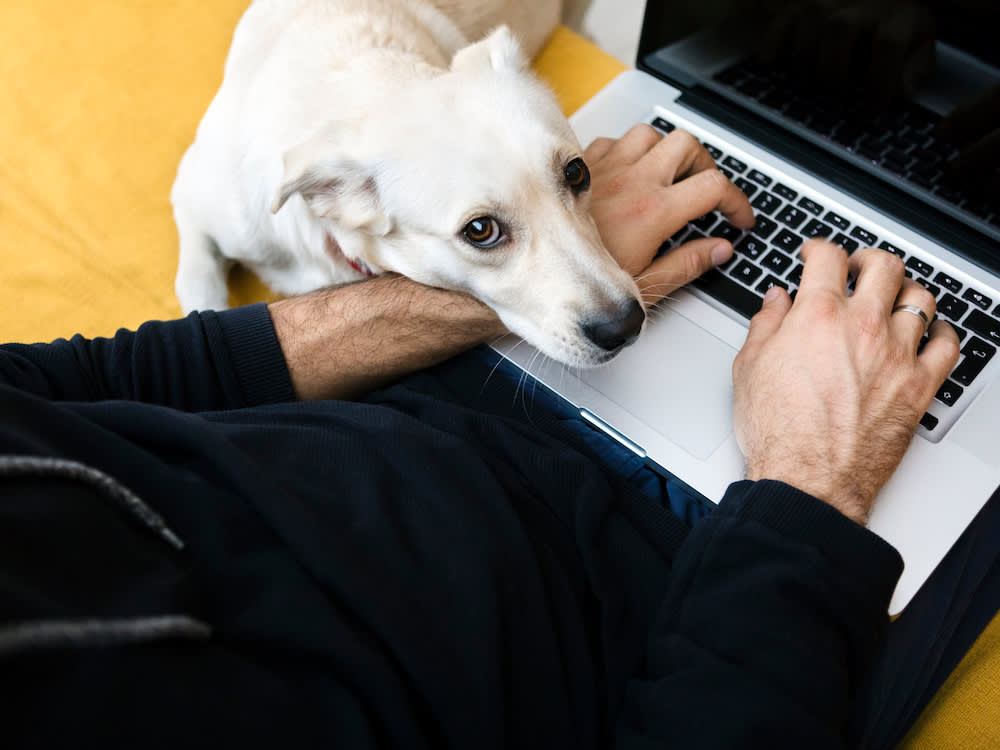 TrainingYour Dog Is Running on Your Nervous SystemDr. Nina Kohl · 6 min
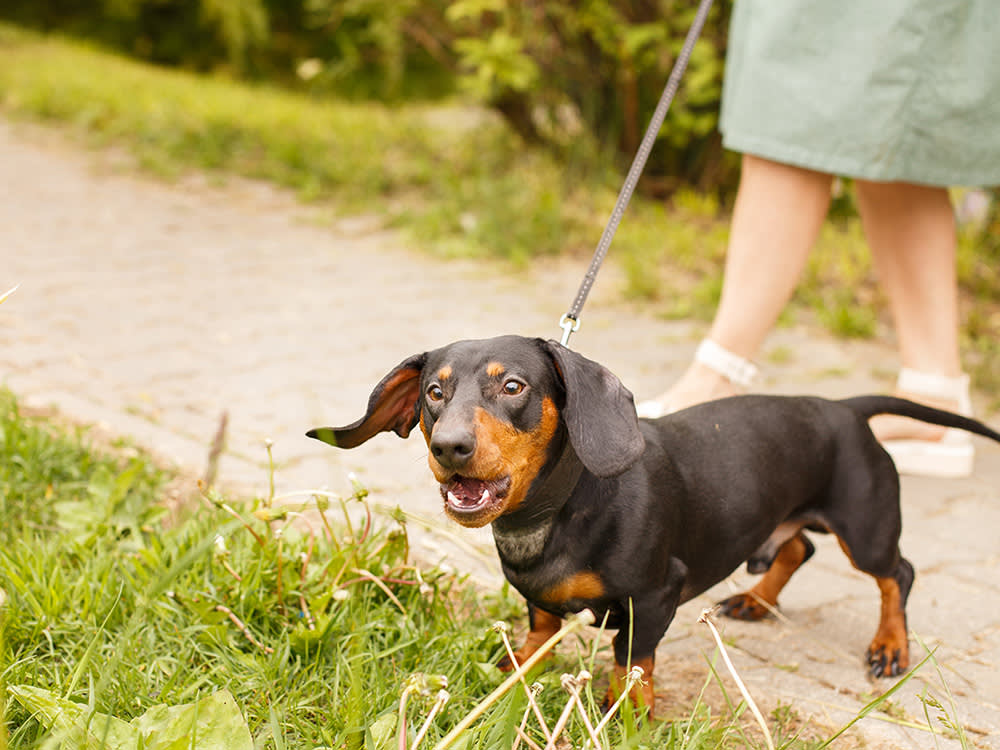 TrainingYour Dog Isn't Being Rude. He's Cornered.Dr. Amara Solis · 8 min
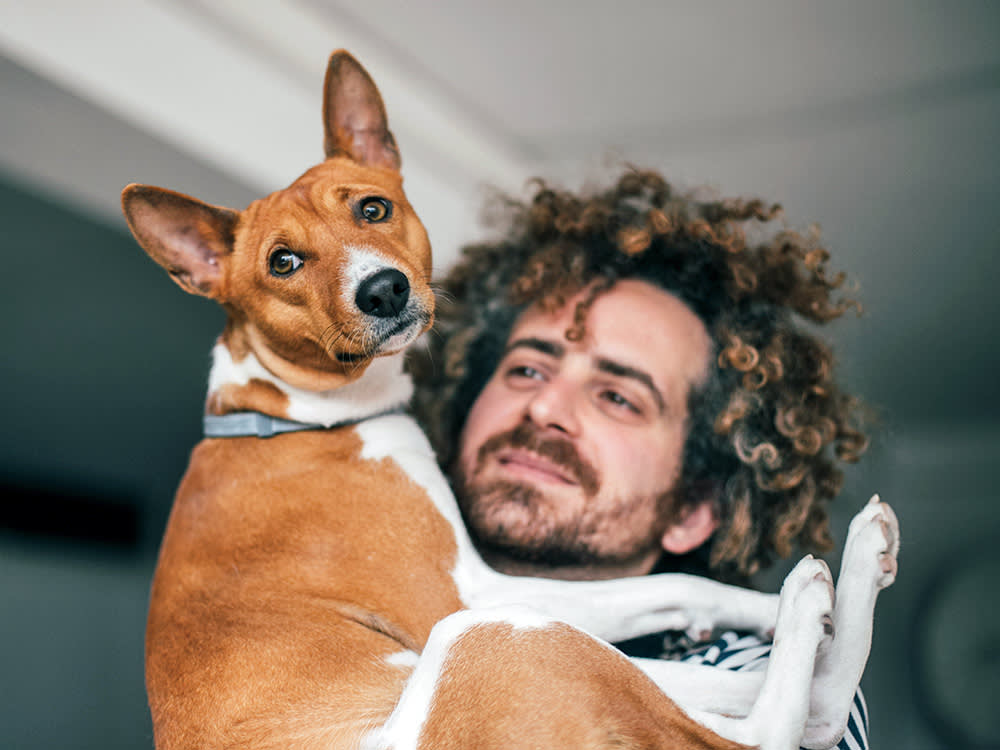 TrainingYour Dog Isn't Being Difficult. They Might Be Wired Differently.Dr. Nina Kohl · 8 min
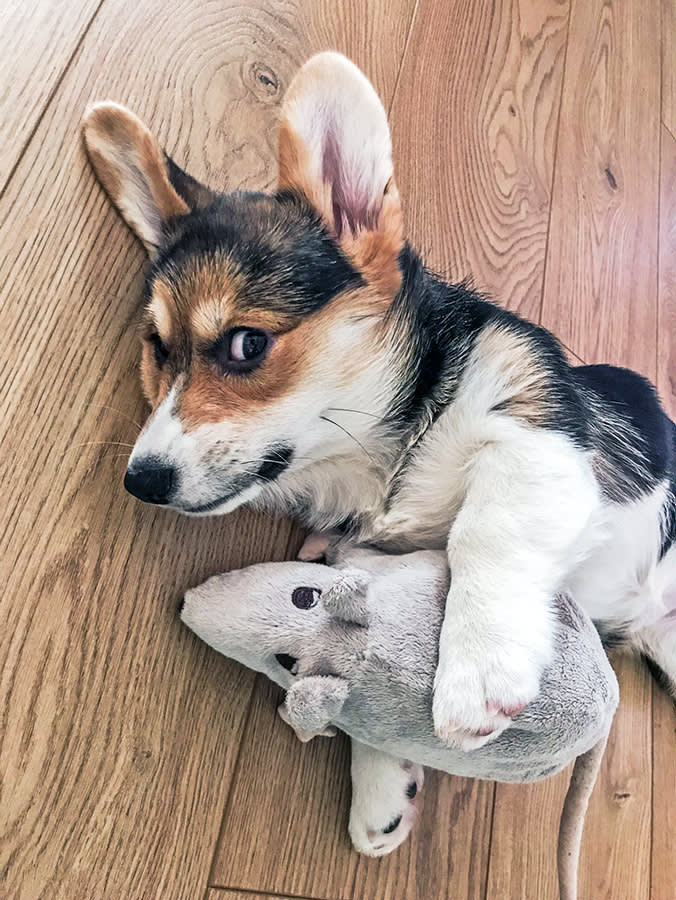 TrainingYour Dog's Favorite Toy Isn't a Toy. It's a Coping Tool, and You Can Use It.Dr. Amara Solis · 7 min
 TrainingYour Chihuahua Isn't Needy. You're Holding a Companion Dog That Fits in a Purse.Dr. Mara Chen · 6 min
 TrainingYour Dog Isn't Holding a Grudge. Their Fear Memory Just Works DifferentlyDr. Amara Solis · 8 min