


The Pain Cream in Your Medicine Cabinet Can Kill a Cat Who Never Touched It
A prescription ingredient called flurbiprofen has killed cats whose owners only ever put the cream on themselves. The FDA's warning, how the exposure happens, and the simple habits that keep your pets safe.

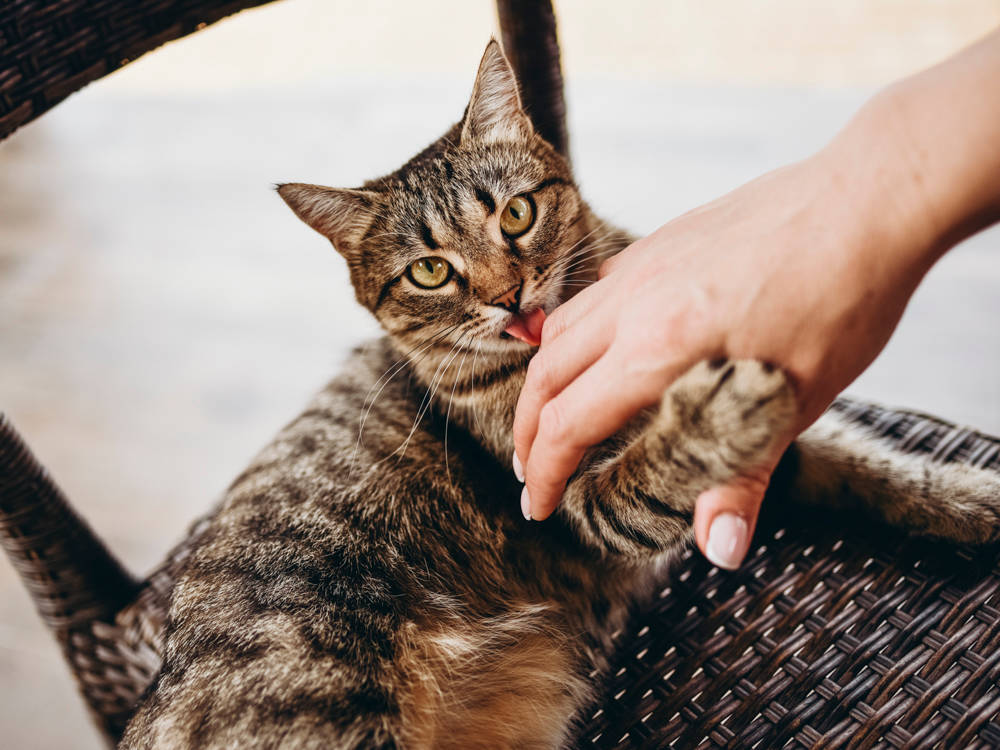
Pet owners spend a lot of energy worrying about the obvious household hazards: the chocolate, the lilies, the cleaning products under the sink. Here is one that almost nobody has on the list, and it may be sitting in your bathroom right now. It is a prescription pain cream, and the unsettling part is that your pet does not have to come anywhere near the tube to be harmed by it.
The U.S. Food and Drug Administration has flagged a risk for anyone who keeps prescription topical pain creams made with an ingredient called flurbiprofen at home. A trace of it, the residue clinging to a cloth applicator or a patch of skin, can be enough to kill a cat, and possibly harm a dog.
The cases behind the warning
The alert grew out of a genuinely disturbing set of reports: in three separate households, five cats fell ill after their owners rubbed prescription-strength flurbiprofen creams onto their own aching muscles and joints. Three of those cats died, their kidneys and intestines damaged.
The detail that should stop you cold is this: in every case, the cream went onto the owner’s skin, never the pet’s. No one dosed their pet. And investigators could not even pinpoint exactly how the cats were exposed, whether by brushing against treated skin, licking a residue off a surface, or contact with a discarded applicator. The route was invisible, which is precisely what makes it dangerous.
These particular creams are compounded, meaning they are custom-mixed at a compounding pharmacy rather than sold off the shelf. Alongside flurbiprofen, they often contain a muscle relaxer called cyclobenzaprine plus varying other active ingredients such as baclofen, gabapentin, lidocaine, or prilocaine. Flurbiprofen itself is an NSAID (the non-steroidal anti-inflammatory class), and NSAIDs are a category that cats metabolize very poorly. These compounds are typically prescribed to humans for neck and back pain, tendon inflammation, and muscle pain, which means they turn up in exactly the households where someone is managing chronic discomfort and may not think twice about a little leftover cream.
What toxicity looks like
If a cat or dog suddenly goes off their food, turns lethargic, vomits, or passes dark, tarry stools, and there’s any chance a pain cream is in the picture, wash the animal and get them to a vet without delay. Say plainly that flurbiprofen exposure is on the table, because that detail shapes the treatment. From the other direction, a vet facing signs of NSAID toxicity does well to ask the owner point-blank whether any such creams are around the house, because the link is so easy to overlook.
While the deaths that triggered the warning were in cats, the FDA is explicit that dogs are not off the hook. The agency has not received reports of dogs becoming sick from these particular creams, but it cautions that dogs may also be vulnerable to NSAID toxicity after exposure. Absence of reports is not proof of safety, so the sensible approach is to protect both species equally.
How to keep your pets safe
The protective habits here are simple, and they cost nothing but a little attention:
- Store all medications, creams included, well out of any pet’s reach.
- If you use a topical medication containing flurbiprofen, take deliberate care to prevent accidental transfer to your animals.
- Ask your own healthcare provider whether it is appropriate to cover the treated area so your pet cannot make contact with it.
- Safely discard any applicator that might still hold medication, and avoid leaving residue on clothing, carpeting, or furniture where a pet could pick it up.
- If exposure does happen, clean your pet as thoroughly as you can and loop in your vet.
- Any lethargy, skipped meals, vomiting, or other illness after possible contact means urgent veterinary care, and tell them exactly what your pet may have touched.
- Report any incident to the FDA so the agency can keep tracking the problem.
The larger lesson is a humbling one. We tend to picture pet poisonings as an animal getting into something it obviously shouldn’t have eaten. This hazard is quieter than that. The person taking the medication is being responsible, applying it correctly, keeping it to themselves, and a cat can still die from the trace they never noticed. Knowing the risk exists is most of the protection. A cream on your skin is not just your business when there is a cat in the house.
References
- U.S. Food and Drug Administration. “FDA Consumer Advice on Pet Exposure to Prescription Topical Pain Medications Containing Flurbiprofen.”
- Kroll, David. “Pet Owner Alert: Compounded Flurbiprofen Pain Creams Can Kill, Sicken Cats.” Forbes.
- ASPCA Animal Poison Control Center. NSAID toxicity in companion animals.
Common questions
What should I do if I think my pet was exposed?
Bathe or clean your pet as thoroughly as possible and call your vet right away. Tell them the product may contain flurbiprofen, since that detail guides treatment. Don't wait for symptoms if you have reason to suspect exposure.
Is this a risk for dogs too, or just cats?
The reported deaths were in cats, which are especially sensitive to this class of drug, but the FDA cautions that dogs may also be vulnerable to NSAID toxicity from these creams. Both species should be kept away from the medication.
Not a substitute for your vet. Our guidance is educational. For urgent symptoms, contact a vet or emergency clinic right away. Editorial standards
Dr. Mehta is a board-certified veterinary nutritionist who evaluates pet food formulations, ingredient quality, and the science behind dietary trends. He writes and reviews all nutrition content at The Pet Times, including our food rankings and feeding guides.
Meet our experts ↗Keep reading
 Health & WellnessThe Holiday Decorations Most Likely to Land Your Pet in the ERDr. Mara Chen · 8 min
 FoodSalmonella and Listeria in Darwin's Raw Pet Food: The Exact Lots to TossDr. Amara Solis · 4 min
 Health & WellnessThe Flea Product That Sends Cats to the ER: Advantage vs. AdvantixDr. Lena Park · 7 min
 Health & WellnessWhen a Hurricane Comes, the Deadly Mistake Is Having Nowhere to Put Your PetDr. Ravi Mehta · 6 min
 First Days8 New-Pet To-Dos That Only Matter at 2 A.M.Dr. Nina Kohl · 8 min
 Health & WellnessA Rabid Bat Turned Up in Pasadena. The Fix Is Almost Boring.Dr. Ravi Mehta · 5 min