


This Viral Dog-City Ranking Measures Hype, Not Livability. Check This Instead
A Rover and Zillow study named the 20 fastest-growing dog-friendly cities, but it ranks popularity, not actual dog infrastructure. Here is the full list plus what really makes a city livable for your dog.

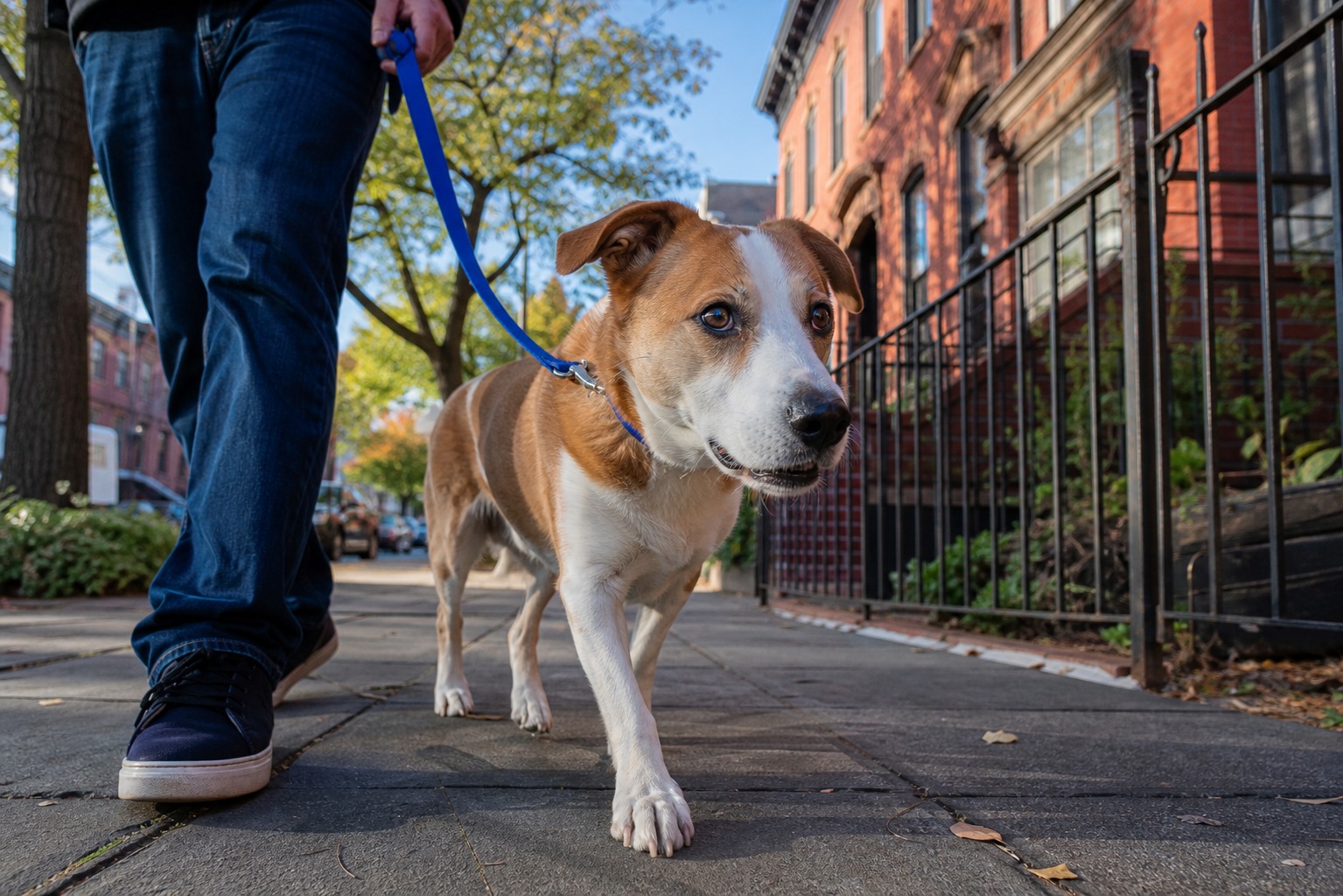
If you have ever tried to rent an apartment with a dog, you already know the real story behind every “best dog-friendly city” headline. It is not about which city has the cutest parks. It is about whether you can actually find a place that will take your dog, at a price you can stomach, without a breed ban buried in the lease. That grind is what a widely shared Rover and Zillow study quietly confirmed, even as the headline number, the list of fastest-growing dog-friendly cities, got all the attention.
Here is the thing most coverage of that list misses: it does not measure how good a city is for dogs. It measures how popular a city is becoming with dog owners. Those are not the same, and if you are thinking about moving for your dog, the difference matters a lot. So below is the full ranking, an honest read of what it does and does not tell you, and the livability checklist the study leaves out.
What the study actually measured
Rover and Zillow built the ranking by cross-referencing Rover’s database of registered dog-owner accounts with Zillow page views of pet-friendly single-family rental listings. In plain terms, it tracked where dog owners are moving and where they are searching, then called the fastest risers the “fastest-growing dog-friendly cities.” That is a popularity signal, a measure of demand and momentum, not an audit of dog parks, off-leash acreage, vet density, or pet-friendly rental supply. A city can climb this list because it is trendy and affordable, not because it is genuinely easy to raise a dog there.
That is worth keeping in mind as you read it. The list is a useful starting map of where the pet-owning population is heading. It is not a verdict on quality of life for your particular dog.
The top 20 fastest-growing dog-friendly cities
- Antioch, TN
- Baltimore, MD
- Alexandria, VA
- Fuquay-Varina, NC
- Kansas City, KS
- Cumming, GA
- Bellevue, WA
- Fort Lauderdale, FL
- Palo Alto, CA
- Charleston, SC
- Lee’s Summit, MO
- Bentonville, AR
- Denver, CO
- Tuscaloosa, AL
- Philadelphia, PA
- Lewisville, TX
- Chicago, IL
- Rochester, MN
- Norman, OK
- Grand Rapids, MI
What the pattern tells you
Read as a migration map, the list is revealing. It skews heavily toward smaller cities and suburbs, Antioch and Fuquay-Varina and Cumming over the legacy giants, which tracks the broader post-pandemic move away from expensive coastal metros toward places where a dog owner can plausibly afford a yard. It is also geographically scattered, from Bellevue in the Northwest to Charleston and Fort Lauderdale in the Southeast, which says the appetite for dog-friendly living is national, not regional. The momentum is real. Just remember it reflects where people are going, not a guarantee of what they will find when they arrive.
What the ranking leaves out, and what to check instead
Before you sign a lease in any of these cities, this is the livability checklist the popularity ranking cannot give you. Run your shortlist through it.
Off-leash and walkable space, not just any green space. The same study found that 72 percent of dog owners prioritize neighborhood walkability for their dog’s sake, and 64 percent rank a fenced yard as the single most appealing dog-friendly home feature. So look up the actual number of dog parks and off-leash areas, and walk the specific neighborhood before you commit. A city’s average means nothing if your block has nowhere to go.
Breed and size laws. Some cities and counties still have breed-specific legislation that can restrict or ban certain dogs outright, and many states have moved to limit it, but the patchwork is real. If you have a bully breed, a Rottweiler, or a large dog, confirm both the local ordinance and the rental’s own breed policy before anything else. This is the factor most likely to derail a move.
Vet and emergency-care access. Check that the area has both a regular vet accepting new patients and a 24-hour emergency hospital within a reasonable drive. In fast-growing smaller cities, the human population can outpace veterinary capacity, leaving long waits and far-flung emergency options.
Climate and your specific dog. A flat-faced or thick-coated dog will struggle in Fort Lauderdale or Tuscaloosa heat; a short-coated dog will need gear for a Grand Rapids or Rochester winter. The “best” city depends on the dog standing next to you.
The part nobody warns you about: the rental search
The study’s most relatable finding is also its most useful. Even among supposedly pet-friendly rentals, 67 percent of dog owners reported running into breed restrictions, size limits, or caps on the number of pets, and 61 percent named steep pet deposits and monthly pet fees as a major obstacle. Pet-friendly, in other words, often comes with an asterisk and a surcharge.
And owners are paying it. A striking 87 percent said they would spend more for a pet-friendly home: 30 percent up to five percent more, 24 percent up to 10 percent more, 21 percent up to 20 percent more, and a committed 12 percent who said there is simply no limit to what they would pay to house their dog. Whether that reflects devotion or the sheer exhaustion of the search, it tells you to budget for pet rent and deposits as a real line item, not an afterthought, especially in the hot markets at the top of this list.
How to use this list well
Treat the ranking as a shortlist generator, not a final answer. Let it point you toward cities with momentum and relative affordability, then do the unglamorous homework, breed laws, vet access, real off-leash space, and the true cost of a pet-friendly lease, before you decide. The city that is best for your dog is the one that checks those boxes for your dog, which may or may not be the one climbing fastest on a popularity chart.
FAQs
Is this list ranking the best cities for dogs?
No, and that is the key caveat. It ranks the fastest-growing in popularity among dog owners, based on where people are moving and searching for pet-friendly rentals. It does not measure dog parks, off-leash space, vet access, or rental supply, so use it to find candidates, then evaluate each city on those concrete factors yourself.
What should I check before moving to a city with my dog?
Confirm local breed and size laws and the rental’s own pet policy first, since that is the most common dealbreaker. Then verify everyday and emergency vet access, look at real off-leash and walkable space in the specific neighborhood, and factor the climate against your dog’s coat and breed. Finally, budget for pet deposits and monthly pet rent.
Why is finding a pet-friendly rental so hard?
Because “pet-friendly” often comes with restrictions and fees. In the study, 67 percent of owners hit breed limits, size limits, or pet-number caps even on pet-friendly listings, and 61 percent cited high deposits and fees. Expect to search longer, document your dog’s training and vaccinations, and treat pet costs as a fixed part of your housing budget.
References
- Zillow Group and Rover, “Zillow and Rover name top 20 fastest-growing dog-friendly cities in America” (press release, April 26, 2022). https://zillow.mediaroom.com/2022-04-26-Zillow-and-Rover-name-top-20-fastest-growing-dog-friendly-cities-in-America
- Rover, “The Fastest Growing Dog-Friendly Cities in the US.” https://www.rover.com/blog/dog-friendly-cities-us/
- American Kennel Club, “What Is Breed-Specific Legislation?” https://www.akc.org/expert-advice/news/what-is-breed-specific-legislation/
- The Humane Society of the United States, “Breed-specific legislation FAQ.” https://www.humanesociety.org/resources/breed-specific-legislation-faq
Leila Torres leads our Living coverage, from home life and travel to the products and rescue stories that come with sharing a life with animals. She edits and writes across the section, with a soft spot for pieces about the bond between people and their pets.
Meet our experts ↗Keep reading
 LivingPhotograph Your Dog Like a Portrait, Not a Snapshot: Lessons From Winnie AuJordan Ellis · 9 min
 LivingYour Dog Walker Loses $5 of Every $15 Walk. Here's Where It Goes.James Okafor · 8 min
 LivingWalking Dogs for a Living Is a Real Business. The Boring Parts Are What Make It WorkJames Okafor · 7 min
 LivingAt Cold Picnic, the Dogs Aren't a Side Story. They're the Whole PhilosophySara Lim · 6 min
 LivingIn Most States, Your Dog Is Legally a Couch. A Few Are Finally Changing That.Jordan Ellis · 7 min
 LivingYour Dog Isn't Getting Sweeter in Winter. They're Getting Cold.Dr. Lena Park · 7 min