


After You Sign the Petition: How Puppy-Mill Bans Actually Become Law
Online petitions are a starting line, not a finish line. Here's the real path a puppy-mill ban travels from signatures to statute, and where the movement actually stands in 2026.

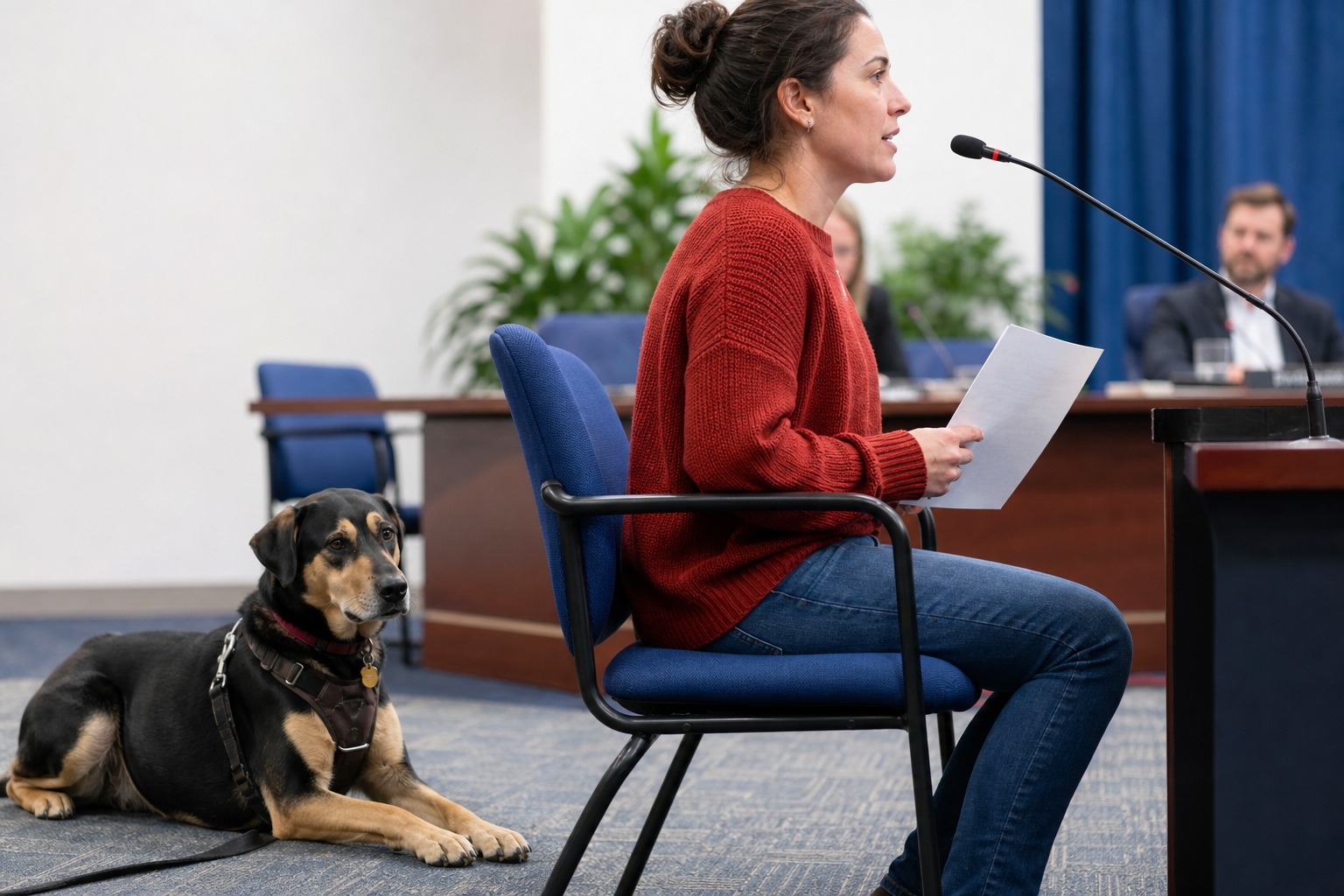
Search “dogs” on Change.org and you will find more than 15,000 active petitions. Ban medical testing on dogs in Virginia. Stop a wolf hunt in Idaho. Protect the street dogs of Turkey. If one moves you, you sign, maybe you share it, and for most of us that is where the advocacy ends. There is nothing wrong with that. As Lauren Loney, a Texas state director for the Humane Society of the United States, puts it, a petition is “one way for you to add your voice in a collective, organized way.”
But a signature is the easiest thing you will ever do for animals, and it is the least powerful. The interesting question, the one almost no one walks through, is what happens to all those signatures next. How does an outpouring of public sentiment actually turn into a law that bans the puppy mills behind so much of this cruelty? Because that pipeline, from petition to statute, is where the real work lives, and understanding it is what turns a one-click supporter into someone who can actually move the needle.
The frustrating honest answer: it depends
There is no single national process, and that is the first thing to absorb. “It’s hard even for me sometimes to figure out what the process is in a city, and I do this professionally,” Loney admits, laughing. The path winds through a different tangle of legal and bureaucratic requirements in every city and every state.
Take the specific fight that advocates consistently name as one of the most pressing: banning puppy mills, the high-volume commercial breeding operations that cut corners on animal care to maximize profit. For someone hoping to pass a ban locally, there are usually two routes.
In a smaller town, you can often go straight to the source: approach a city council member directly, or sign up to testify at a council meeting. Larger cities add a layer. Many have an animal advisory commission, a body of citizen advisors, and a proposed ban typically moves through that commission first. The commission carries the idea to city staff, who draft an official version of the ordinance, which then goes to the full city council to run through its own approval gauntlet. If your eyes are glazing, that is the point: the process is deliberately full of steps, and each step is a place where a bill can stall or die without sustained pressure behind it.
Where the movement actually stands in 2026
Here is the part the original conversation could not include, because the landscape has moved fast, and it reframes the whole effort from “lonely uphill slog” to “a strategy that is demonstrably working.”
The dominant tactic has been local “humane pet store” laws that ban the retail sale of mill-sourced puppies and kittens, choking off the demand that funds the mills. In April 2025, the Humane Society of the United States announced a milestone: more than 500 localities across 31 states had passed such laws. That is grassroots strategy compounding, one city council vote at a time, into a genuine nationwide shift.
At the state level, the dominoes are also falling, though more slowly:
- California became the first state to ban retail sales of mill-bred dogs, cats, and rabbits, in 2017.
- Maryland followed in 2018.
- New York passed its Puppy Mill Pipeline Bill in 2022, ending pet-store sales of dogs, cats, and rabbits statewide.
- Colorado became the next state to act with House Bill 26-1011, the “Pistol the Pomeranian Protection Act,” signed by Governor Jared Polis in 2026 and named for a Pomeranian who came from a mill and died. It bans pet stores from selling dogs and cats while still allowing shelter and rescue adoption events in those stores, and takes effect January 1.
The throughline in all of them is the same insight: you do not have to police thousands of mills directly if you cut off the storefronts that sell their output and steer would-be buyers toward shelters, rescues, and responsible breeders instead.
What “more than a signature” actually looks like
So if a petition is the starting line, what is the next step that actually matters? It is unglamorous and it works:
- Show up where the decision is made. A council meeting with ten residents testifying in person carries weight that ten thousand online signatures do not. Physical presence signals organized, local, voting constituents.
- Contact your own representatives directly, by name, about a specific bill or ordinance. Personal messages from constituents in the district move legislators; mass-forwarded form letters mostly do not.
- Back the organizations that shepherd these bills, the HSUS, the ASPCA, Best Friends, and local rescues, with money or volunteer time. They supply the legal drafting, the lobbying, and the institutional memory that carry a bill through every one of those bureaucratic steps.
- Choose adoption or a responsible breeder, and talk openly about why. Every mill-free purchase is a small, direct cut to the demand the entire industry runs on.
The petition is real, and it counts. But it is the first inch of a long road, and the people who actually end puppy mills in their city are the ones who keep walking after they have signed.
References
- Humane World for Animals (HSUS). “Victory for Dogs and Cats: 500 US Localities Have Passed Humane Pet Store Laws.” April 2025. https://www.humaneworld.org/en/blog/victory-500-us-localities-passed-humane-pet-store-laws
- ASPCA. “Retail Pet Sale Bans: Standing Against Puppy Mill Cruelty.” https://www.aspca.org/improving-laws-animals/public-policy/ending-retail-puppy-sales-standing-against-puppy-mill-cruelty
- Office of Governor Jared Polis. “Governor Polis Signs Bills Into Law Protecting Colorado Animals and Banning Puppy Mills.” 2026. https://governorsoffice.colorado.gov/governor/news/governor-polis-signs-bills-law-protecting-colorado-animals-and-banning-puppy-mills
Leila Torres leads our Living coverage, from home life and travel to the products and rescue stories that come with sharing a life with animals. She edits and writes across the section, with a soft spot for pieces about the bond between people and their pets.
Meet our experts ↗Keep reading
 LivingYour Team's Most Valuable Rookie This Year Might Be a Shelter DogJames Okafor · 8 min
 LivingCalifornia Tried to Stop Making Unhoused People Choose a Roof or Their Pet. Newsom Said NoMarcus Webb · 5 min
 LivingOne Shelter Took In 800 Animals While LA Burned. Here's How to Repay Them.Nina Vasquez · 5 min
 LivingUkraine's Animals Are Still in the War. Here's How to Actually Help.James Okafor · 5 min
 LivingCan't Afford to Feed Your Pet Right Now? There's a Safety Net You Can't SeeClaire Sutton · 5 min
 LivingWhen ICE Detains an Owner, the Dog Is the Collateral Nobody Planned ForLeila Torres · 5 min