


A Shelter Cage Hides Almost Everything. These 12 Questions Don't.
The cat behind the bars is on their worst behavior in the worst possible setting. Ask the staff these 12 questions and you'll learn who they actually are at home.

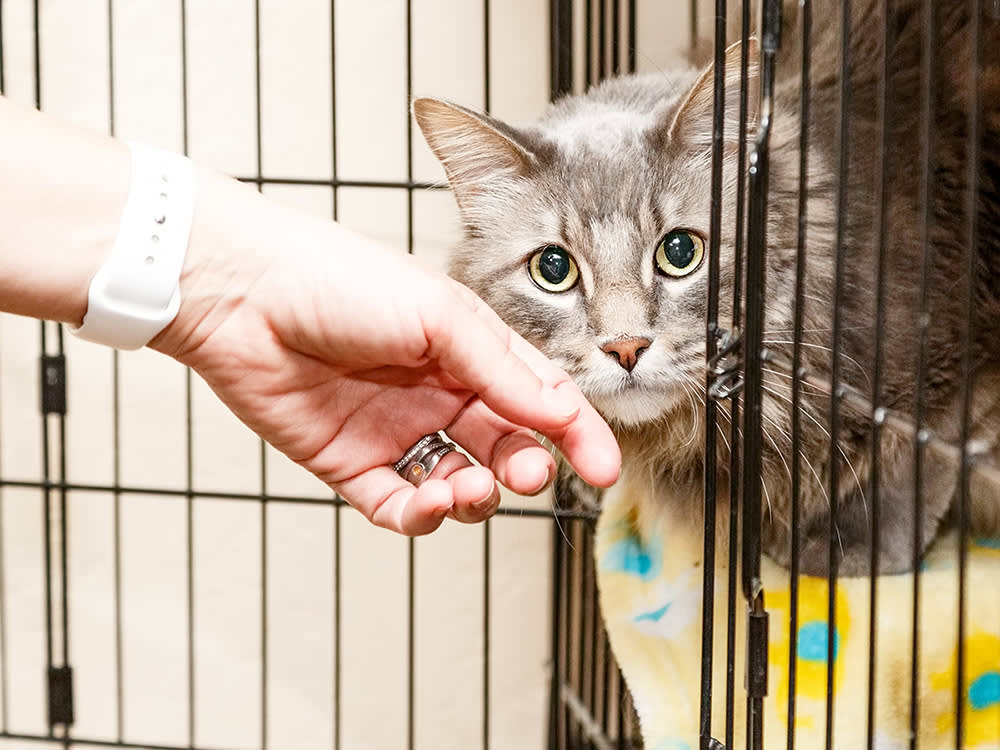
Cats are supposed to be the low-maintenance pet: keep the bowl full, the litter box clean, and let them decide whether tonight is a snuggle night (it usually isn’t). But that easygoing reputation hides a lot of variation. The shy tortie in one row of the shelter may need a completely different home than the confident Maine Coon two cages over.
That is the real problem with adopting from a cage. A frightened cat in a loud, unfamiliar room is showing you almost nothing about who they are on a quiet Sunday on your couch. The people who care for them every day, though, know exactly. Your job is to ask the right questions. Here are twelve that pull back the curtain, so you walk out with a cat who genuinely fits your life.
1. How would you describe this cat’s personality?
Start here, because it is the thing the cage disguises most. It is nearly impossible to tell a cuddler from a loner when a cat is crammed into a small kennel, but shelter staff have watched them at ease and know who wants to be held and who would rather be admired from across the room. This is also where age comes in: a kitten runs on boundless energy and mischief and needs supervision to match, while a senior may be happiest dozing in a sunbeam. Ask which this cat is, so their pace matches yours.
2. How does this cat get along with other cats?
Plenty of cats land in shelters precisely because they clashed with a housemate. If you already have a cat, a feline who dislikes company is a hard match, while a cat used to having friends may actually thrive with a buddy. Ask directly whether this cat has lived peacefully with others.
3. What about dogs, and kids?
Many shelters will “dog test” a cat to gauge whether they can share a home with a respectful, calm dog, and they can often tell you how a cat handled the noise and motion of children. If your household includes either, this answer can save everyone a lot of stress.
4. Has this cat lived indoors, outdoors, or both?
A cat accustomed to roaming outdoors can struggle with the walls of an apartment, and that frustration can surface as escape attempts, marking, or other nuisance behavior. Enrichment helps, but big environmental swings are genuinely hard on cats. A cat used to a climate-controlled home and a king-size bed cannot be expected to happily relocate to the backyard, and the reverse transition takes patience, too.
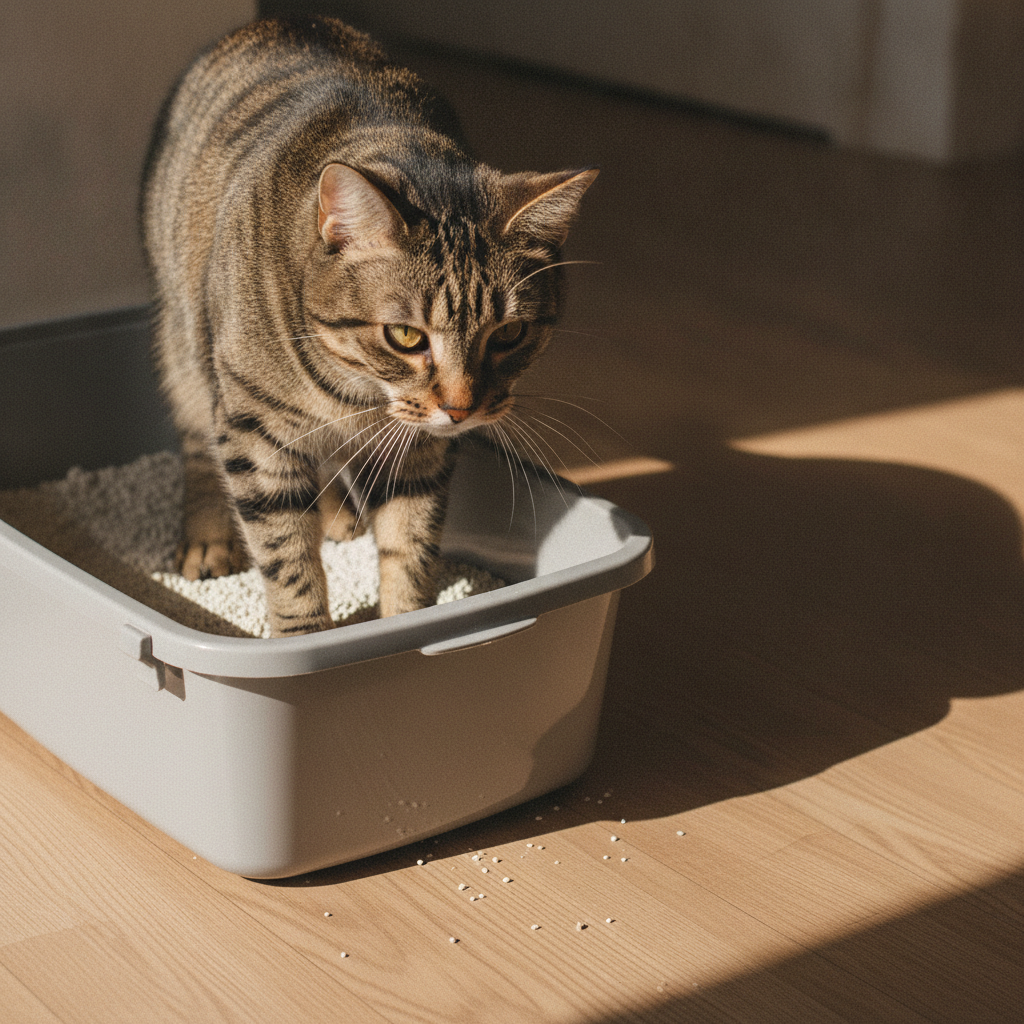
5. Is there any history of litter box trouble?
Eliminating outside the litter box is among the top reasons cats land in shelters to begin with, so ask about it plainly. Missing the box can point to a medical issue like a urinary tract infection or kidney stones, or to a simple dislike of a certain litter or box location. Intact males are also more prone to spraying strongly scented urine. Knowing that a cat might need medical treatment, or a bit of experimenting with litter types and box spots, is a fair factor in deciding whether they suit your home.
6. What is the cat’s full medical history?
Go beyond vaccines and fixed-or-not status. Find out whether this cat has been screened for feline leukemia (FeLV) and feline immunodeficiency virus (FIV), both of which shape the care a cat needs and the kind of home that suits them best. Knowing which tests and procedures are already done, and which still are not, lets you plan and budget realistically.
The two questions I wish every adopter asked are the medical history and the litter box history, because those are the ones that quietly determine your first six months together. A cat who tested positive for FIV can live a long, wonderful life indoors, but you deserve to know going in. Every cat comes with costs, and the only real question is whether you understand them before you sign the papers.
7. What are this cat’s grooming needs?
Short-haired cats mostly manage their own coats, but long-haired breeds like Persians and Angoras need regular brushing or professional grooming to stay mat-free. If you are eyeing a fluffy cat, be honest with yourself about whether you will keep up with the brushing.
8. What food are they eating right now?
Cats are famously sensitive stomachs. Switching food abruptly can trigger real digestive upset, so ask what brand and type the shelter has been feeding and start your new cat on the same thing at home. If you want to change it later, do it gradually to spare their gut.
9. How long has this cat been here?
This question, not on most checklists, tells you a lot. A cat who has been waiting for months may be overlooked for reasons worth understanding (shyness, a medical note, an age bias), or may simply have had bad luck. Long-timers sometimes come with fee discounts, and staff have had ample time to learn their quirks. It is a fair, revealing thing to ask.
10. What does the adoption fee cover?
To move cats into homes, shelters frequently discount or waive the adoption fee entirely, so ask what the fee actually covers. Many bundle spay or neuter, initial deworming, vaccinations, and a microchip; others expect you to arrange some of that yourself. Knowing the difference tells you the real cost of bringing this cat home.
11. Can I set up a meet-and-greet or a foster-to-adopt trial?
Also missing from the standard list, and genuinely useful. A short one-on-one visit in a quiet room, or a foster-to-adopt trial period, shows you how the cat behaves outside the cage and inside a home. Adopting through a foster-based rescue offers the same insight, because someone has already watched this cat live in a house.
12. What is your return or support policy?
Rescues work hard to make good matches, but sometimes a placement does not click, and no one can predict everything from a shelter visit. Ask what happens if it does not work out, and what support the shelter offers afterward. A good organization wants the fit to last as much as you do.
The bottom line
There is a right cat for every person and a right home for every cat, but a cage is a terrible place to spot the match. Twelve questions, asked out loud to the people who know these animals best, turn a nerve-racking guess into an informed decision, and give the cat you choose the best possible odds of staying yours for good.
References
- Million Cat Challenge. “About the Challenge.” millioncatchallenge.org.
- UC Davis Koret Shelter Medicine Program. “Feline resources.” sheltermedicine.vetmed.ucdavis.edu.
- American Association of Feline Practitioners. “Adopting a Cat.” catvets.com.
- ASPCA. “General Cat Care.” aspca.org.
Dr. Solis is a board-certified veterinary dermatologist with over twelve years of clinical experience. She advises on skin conditions, allergies, and grooming practices that affect coat and skin health. All dermatology and allergy content at The Pet Times is reviewed by her team before publication.
Meet our experts ↗Keep reading
 LivingFostering a Kitten? Its Age in Weeks Decides Everything.Dr. Priya Nair · 9 min
 LivingThe Adoption Application Isn't a Test. It's a Matchmaker in Disguise.Leila Torres · 6 min
 LivingFostering Pets With Kids Isn't a Liability. It's the Best Empathy Class They'll Take.Nina Vasquez · 7 min
 First DaysHer Cat Hid Under a Dresser for Months. That Was the Adoption Working.Dr. Amara Solis · 7 min
 TrainingYour Kitten Isn't Kissing You. It's Filing You Under 'Family.'Dr. Amara Solis · 7 min
 First DaysYou Don't Train a Cat to Use the Litter Box. You Just Avoid Ruining ItDr. Lena Park · 8 min