


Your Vet Quoted You $12,000. That's Not the Only Number You're Allowed to Hear.
Asking for a second veterinary opinion isn't disloyalty, and it isn't giving up. When the first plan is unaffordable or just doesn't sit right, a second vet can change the math entirely.

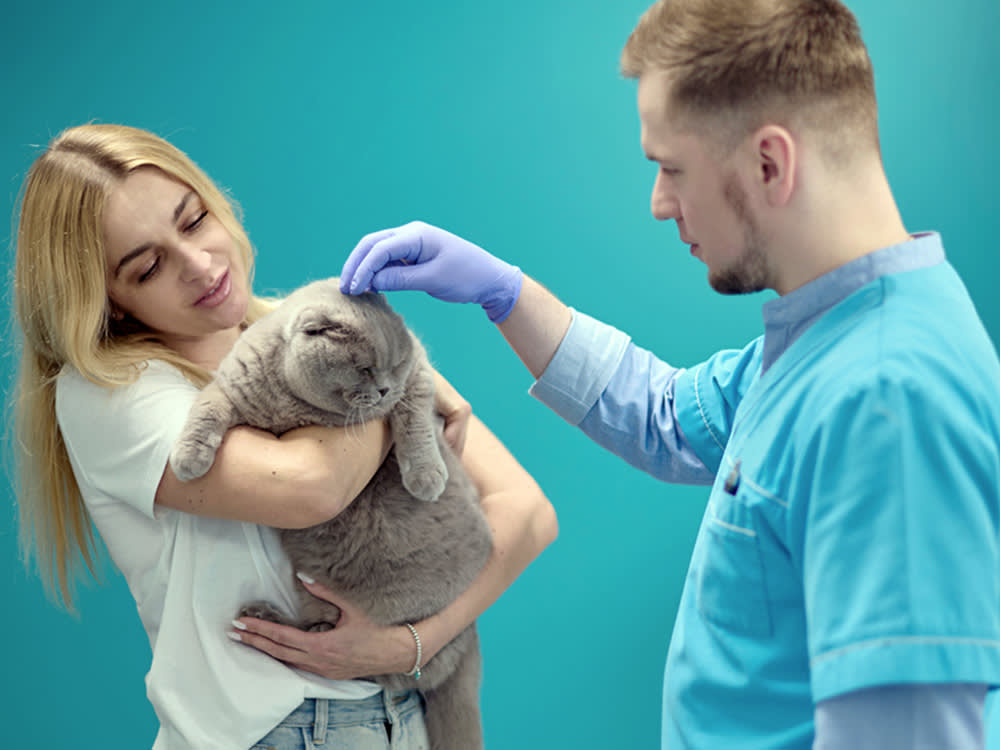
Picture the worst version of a vet appointment. You brought in a senior cat for something that seemed manageable, and you walked out with a $12,000 estimate for an operation to take out both of her ear canals. Before that, a single consultation had already run you $500. You can’t afford the surgery. You also can’t stomach the alternative anyone seems to be implying. So you sit in the parking lot and cry.
That’s a real scenario, and it’s more common than most pet owners realize. It’s also the moment a lot of people quietly decide they have exactly two options, when they actually have a third: hearing what a different veterinarian would say.
A second opinion is not a vote against your vet
Somewhere along the way, “getting a second opinion” picked up a whiff of betrayal, as if you’re accusing your vet of being wrong or shopping around for someone who’ll tell you what you want to hear. Neither is true. In human medicine, second opinions are routine and expected for anything serious. Veterinary care deserves the same treatment.
“Seeking another perspective is almost never the wrong move,” says Dr. Amara Solis. “The one real exception is a true emergency, where the time you’d spend chasing a second opinion is time your pet doesn’t have. Outside of that, a fresh set of eyes is just good decision-making.”
The cat in our example wasn’t in that emergency category. Her situation was urgent and upsetting, but it wasn’t the kind of clock-is-ticking crisis where a delay costs a life. That distinction matters. If your pet is stable enough that you have a few days to gather records and book another appointment, you almost certainly have room for a second opinion.
Why two good vets can land in different places
It helps to understand that veterinary medicine is not a fixed set of right answers. Two skilled, caring vets can look at the same animal and recommend different paths, and neither of them is necessarily making a mistake.
“The field changes constantly, and where and when someone trained shapes how they approach a case,” Dr. Solis says. “Some diagnoses are clear-cut. Plenty of others leave real room for interpretation, and a vet’s own experience and interests color what they reach for first.”
There’s another quiet variable in the room: your budget. A treatment plan is often built around what a vet assumes you can spend, and a more invasive, more expensive option is not automatically the better one. Sometimes it genuinely is the gold standard. Sometimes it’s one valid route among several, and a less drastic plan will keep your animal comfortable for a long time.
The money part nobody likes to say out loud
In the ear-surgery example, insurance wasn’t a rescue. The cat was 14 when she was adopted, and at that age most companies won’t write a new policy at all. Even if one had, a pre-existing ear condition would have been excluded. That’s not a loophole, it’s how pet insurance is designed, and it’s worth knowing before you’re in crisis rather than after.
So what happened? A second vet agreed that surgery was a reasonable option, but not the only one. Two medications plus regular at-home ear cleanings kept the cat comfortable and the condition in check for well over a year and a half of good, ordinary life. Could surgery have bought more time? Maybe. Maybe not. The most aggressive plan isn’t worth much if it financially flattens you and still doesn’t guarantee the outcome.
None of this means ignoring your vet or assuming money always points to the humane answer. It means the price tag is allowed to be part of the conversation, not a source of shame.
How to make a second opinion actually worth it
A second opinion only helps if the second vet has something to work with. A few things make the visit count:
- Send the records ahead. Ask your first vet’s office to forward everything before your appointment: a timeline of symptoms, any diagnostic results, and every treatment already tried. A vet reviewing this in advance gives you a far more useful conversation than one seeing it cold.
- Ask a direct question. Something like, “Do you agree with this assessment and plan, and if not, what would you do instead?” invites a real answer rather than a polite nod.
- Remember the decision stays yours. You can follow the second vet’s advice, go back to your original vet, or ask for a referral to a specialist. Any of those is legitimate.
- Check your policy if you have one. Some pet insurance plans cover additional consultations, so a second or even third opinion may cost less than you’d expect.
A good vet won’t be insulted that you asked. The ones worth keeping chose this work because they care about animals, and that sometimes means sending you down the hall to someone else, or comparing notes with a colleague, to land on what’s actually right for your pet.
You are the one who lives with the decision, pays for it, and holds your animal at the end of the day. Gathering more than one informed perspective before you choose isn’t second-guessing. It’s the most responsible thing you can do.
References
- American Animal Hospital Association. “Frequently Asked Questions About Veterinary Care.” aaha.org
- American Veterinary Medical Association. “Second Opinions and Referrals.” avma.org
- North American Pet Health Insurance Association. “State of the Industry Report.” naphia.org
Not a substitute for your vet. Our guidance is educational. For urgent symptoms, contact a vet or emergency clinic right away. Editorial standards
Dr. Nair is a veterinarian focused on diet and feeding. She covers everyday nutrition, treats, and the many "can they eat this?" questions owners ask, grounding each answer in what is actually safe and sensible for dogs and cats.
Meet our experts ↗Keep reading
 Health & Wellness'Lifetime' Coverage Wasn't. Nationwide Just Dropped 100,000 Pets.Marcus Webb · 6 min
 Health & WellnessWhen the Vet Says It's Serious: How to Make a Choice You Can Live WithDr. Lena Park · 7 min
 Health & WellnessDr. Google Has a Rival: 9 Vets Who Make TikTok Actually UsefulSasha Ford · 5 min
 Health & WellnessThe Hardest Part of Your Vet's Job Isn't the Medicine. It's Everything Else.Dr. Amara Solis · 5 min
 Health & Wellness17 Pet Insurance Terms That Decide What You Actually PayTom Hadley · 6 min
 Health & WellnessYou Have Fleas Before You Ever See One. Here's How to Catch ThemDr. Nina Kohl · 8 min