


Some Rabies Shots Were Just Water. Here's How to Check Your Pet's.
A national recall pulled a batch of rabies vaccine that contained sterile water instead of the real thing. If your dog or cat was vaccinated last fall or winter, check the lot number.

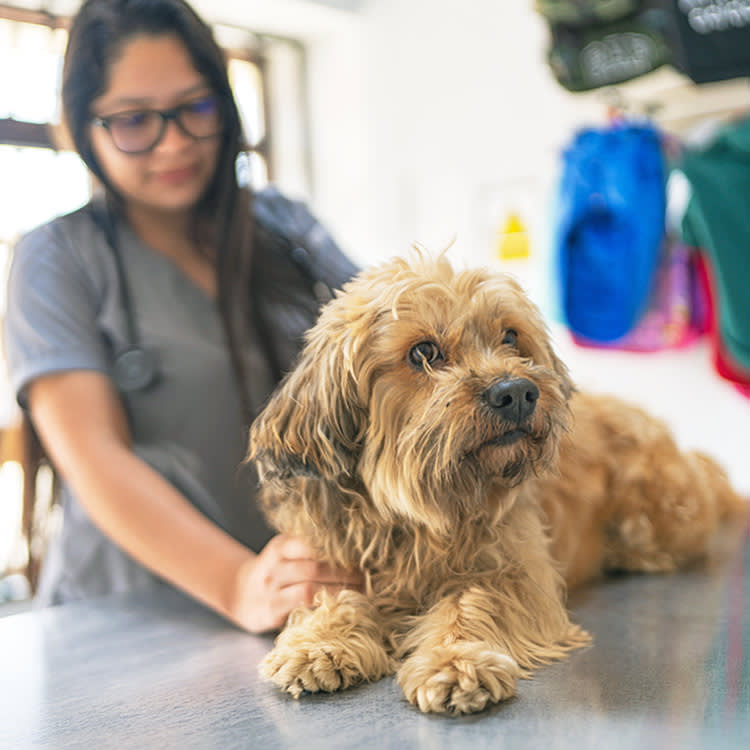
If your dog or cat got a rabies shot last fall or winter, it is worth pulling up their vet records. Boehringer Ingelheim Animal Health issued a nationwide voluntary recall of a batch of rabies vaccine after discovering that some vials contained sterile water instead of any actual vaccine.
That is exactly as concerning as it sounds. A pet who received one of these vials was, in effect, given nothing at all, which means they may be walking around unprotected against a fatal disease while their paperwork says otherwise.
What was recalled, exactly
The recall covers a single serial of the company’s IMRAB 3TF rabies vaccine. According to the manufacturer, only a small number of affected vials, the ones filled with sterile water, have turned up, but the company pulled the whole serial as a precaution.
Here is what to look for on your pet’s rabies certificate:
- Product: IMRAB 3TF
- Serial number: 18665
- Expiration date: March 12, 2027
Those affected vaccines were shipped to veterinary clinics roughly between late September 2025 and early January 2026. If your pet’s rabies appointment fell inside that window, that is the flag to check. No other vaccine brands, and no other products from the company, are involved in this recall.
The good news, and the catch
There is some reassurance here. The recalled vials pose no health or safety risk to pets. The only problem is that they do not work: a shot of sterile water cannot protect against rabies. And getting a proper replacement vaccine will not harm your animal in any way, so there is no downside to going back for another.
The catch is a legal one. Most states require dogs, and often cats, to be vaccinated against rabies. A pet who received one of the recalled vials is likely not considered legally vaccinated, even though their records suggest they are. That gap matters for licensing, boarding, travel, and, most importantly, actual protection.
This is one of those rare situations where the fix is simple, but doing it is not optional. If your pet’s shot came from that serial, they are essentially unvaccinated for rabies right now. Book the revaccination, and in the meantime, keep them away from wildlife. Rabies is close to one hundred percent fatal once symptoms start, so we do not take chances with it.
What to do now
Clinics that received vaccine from the affected serial have been notified directly and are expected to reach out to the pet owners involved. But you do not have to wait for a phone call. If your pet was vaccinated last fall or early this winter, contact your veterinarian, confirm the lot number on the certificate, and schedule a new shot if it matches. When in doubt, call anyway. Vets would far rather field a cautious question than miss an unprotected patient.
Until your pet is properly revaccinated, limit their exposure. Keep dogs leashed on walks, do not let any pet roam unsupervised outdoors, and steer them clear of stray and wild animals, since that is how the virus spreads.
Why rabies is worth the trip
Rabies is one of the deadliest viruses your pet can encounter. It travels through saliva, usually by way of a bite or scratch, and it can spread between animals, and from an animal to a person. There is no cure once the disease takes hold, which is exactly why keeping pets current on the rabies vaccine is such a cornerstone of responsible ownership, and why a batch that quietly failed to protect is worth a few minutes of your attention today.
Common questions
What do I do if my pet got the recalled shot?
Contact your veterinarian and schedule revaccination. A pet given the recalled vial is likely not considered legally vaccinated, and a fresh shot causes no harm.
When were the affected vaccines given out?
They were shipped to veterinarians roughly between late September 2025 and early January 2026, so appointments in that window are the ones to double-check.
Not a substitute for your vet. Our guidance is educational. For urgent symptoms, contact a vet or emergency clinic right away. Editorial standards
Dr. Park is a board-certified emergency and critical care specialist. She reviews our health and safety content for clinical accuracy and contributes guides on recognising urgent conditions. Her focus is helping owners act quickly and correctly when it matters most.
Meet our experts ↗Keep reading
 Health & WellnessYou Have Fleas Before You Ever See One. Here's How to Catch ThemDr. Nina Kohl · 8 min
 Health & Wellness'Just a Quick Walk' Can Give Your Dog Heatstroke. Here's the Playbook.Dr. Priya Nair · 9 min
 Health & WellnessThe Flea and Tick Prevention Vets Actually Reach ForDr. Nina Kohl · 9 min
 Health & WellnessYour Dog's Flea Pill Carries a Seizure Warning. Here's the Real Risk.Dr. Priya Nair · 6 min
 Health & WellnessCats Rarely Get Lyme. They Get Something Far Worse.Dr. Amara Solis · 8 min
 Health & WellnessCold Water for Dogs: Safe Treat or Bloat Risk? Sorting Myth From FactDr. Lena Park · 7 min