


'Just a Quick Walk' Can Give Your Dog Heatstroke. Here's the Playbook.
As record-breaking summers become normal, the old instincts about hot-weather walks are dangerous. A vet-informed guide to preventing heat illness in dogs and cats, spotting it early, and the newer science on how to cool an overheating dog fast.

Affiliate disclosure. This article contains affiliate links. We may earn a small commission if you buy through a link, at no extra cost to you. How we handle recommendations.
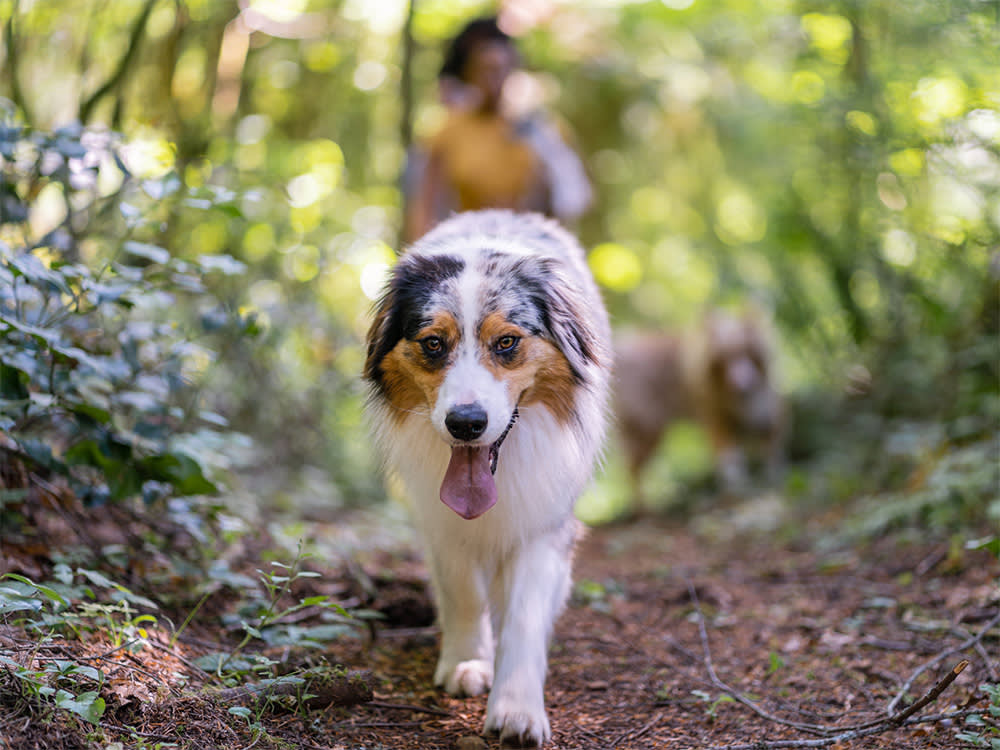
Record-breaking summers have stopped being freak events and started becoming the forecast. As long, scorching heat waves become the new normal, the way most of us think about hot-weather dog walks is quietly out of date, and dangerously so. The instinct that a short midday walk is harmless, or that you should cool an overheated dog slowly, can get a dog killed. Here is the current playbook for keeping dogs and cats safe when the temperature climbs.
Heat is not just a human problem. Just like people, cats and dogs are at risk of heat exhaustion and heatstroke on hot days, and the symptoms run from simply feeling uncomfortable all the way to becoming disoriented and collapsing. What makes it more dangerous for pets is that they can’t tell you they’re overheating, and they can’t bring their own temperature down unless we hand them shade, shelter, and water. The responsibility to read the situation is entirely ours.
The best defense is staying in
The single most effective way to keep a pet safe when it’s brutally hot outside is the simplest: keep them inside, ideally in a room where a fan or the AC runs as much as possible. That goes for cats and dogs alike, and it’s non-negotiable for the animals most vulnerable to overheating, brachycephalic (flat-faced) breeds and any pet with respiratory problems or other underlying medical issues. For anyone feeding outdoor cats, see that they always have shaded, cool spots and plenty of fresh water within reach.
When outside can’t be avoided
For most dog owners, keeping a dog inside all day isn’t realistic; they need to relieve themselves and burn energy. When you do go out, the rules change on a hot day. Make the outing short, hug the shade, carry water, and steer clear of the hottest hours entirely. Even a short walk can cause heatstroke on a summer day, so for a high-energy dog the move is short, frequent outings timed for early morning or evening rather than one long midday walk.
Mind the ground, too. Pavement and sand get hot enough to damage paw pads, so on a city walk protect the feet with booties, or a paw balm, keeping in mind that balms need several applications before they really start working. Consider dog sunscreen as well, especially for short-coated dogs, but check the label first: it must not contain zinc oxide (the active ingredient in Desitin) or salicylates, both of which are toxic to dogs if they lick the product off and swallow enough of it.
A few pieces of gear genuinely help. Cooling vests and bandanas work by evaporation, the same way human sweating cools us, and a cooling mat or freezable chew toy helps bring a dog’s temperature back down once they’re home. A cooling vest can take the edge off a necessary outing. None of these replace shade and timing, but they stack the odds in your dog’s favor.
Never, ever the car
This one has no exceptions: never leave a pet by themselves in a parked car during extreme heat, not even for a couple of minutes. A car heats up shockingly fast even on days that don’t feel that hot to us, and the result is frequently deadly for dogs and cats. If you can’t take your dog with you into where you’re going, leave them home.
Learn the signs before you need them
Ideally your pet never overheats. But because the earlier you catch heat illness, the sooner it can be treated, every owner should be able to recognize it. A dog who is panting hard, can’t settle, keeps lying down, or plants their feet and won’t keep walking needs to come inside somewhere cool right away, with cool water put in front of them. Those are the early warnings, and they’re your cue to act, not wait.
The severe signs are a full emergency: disorientation, vomiting, unresponsiveness, a body temperature over 104°F, and seizures. If you see any of these, get your dog to a vet immediately. Heatstroke damages organs quickly, and minutes matter.
How to cool an overheating dog, updated
If your dog shows early signs, pull them out of the heat and into somewhere cool with cool water in reach right away. Then cool them actively: wet them down with cool water and aim a fan at them to speed evaporation.
This is where the science has changed, and it’s worth updating what you may have heard. For years, owners were warned that cold water or ice could “shock” an overheating dog and should be avoided in favor of lukewarm water. Newer research has flipped that advice. For a conscious, otherwise healthy dog, rapid cold-water immersion is now considered the fastest and safest way to drop core temperature, with no evidence of the dangerous “thermal shock” the old myth predicted. Studies found ordinary tap water cooled dogs about as well as ice water, and that cooling slows once water gets warmer than roughly 64°F. For older dogs or those with health problems, pouring cool water over them combined with air movement from a fan or breeze is the gentler, effective route.
The other key shift is the order of operations: cool first, transport second. Because heat damage accumulates every minute a dog stays hot, veterinary emergency guidance now emphasizes starting cooling on the spot, before and during the drive, rather than racing to the clinic with a still-overheating dog. Wetting the dog down and getting air moving over them on the way to the vet is time well spent.
What newer research adds
Beyond the cold-water reversal, one small finding is easy to put to use: letting a dog dunk its own head in cool water may be among the fastest ways to start bringing temperature down, showing a measurable drop within the first thirty seconds in testing. On a hot outing near water your dog trusts, encouraging a head-dunk and a drink is a reasonable, low-risk cool-down.
It’s also worth knowing your dog’s personal risk. Flat-faced breeds, overweight dogs, very young and very old dogs, and dogs with heart or airway conditions overheat faster and at lower temperatures than a fit, long-nosed dog does. If that’s your dog, treat “moderately warm” days with the caution most people reserve for a heat wave.
The two ideas I most want to retire are that a quick walk is always fine and that cold water is dangerous. On a hot day, a ten-minute walk absolutely can tip a vulnerable dog into heatstroke, and when a dog is overheating, cold water is your friend, not your enemy. Cool them aggressively right where you are, then drive to us. The dogs who do best are the ones whose owners started cooling before they left the driveway.
Heat waves aren’t going anywhere, but heatstroke is largely preventable. Stay in when you can, walk on the cool ends of the day, never use the car, and know the signs and the new cooling rules cold, before the afternoon it counts.
References
- Royal Veterinary College, VetCompass. The RVC urges owners of hot dogs to “cool first, transport second”.
- Hall, E. J., Carter, A. J., & O’Neill, D. G. (2020). Dogs don’t die just in hot cars: exertional heat-related illness (heatstroke) is a greater threat to UK dogs. Animals, 10(8), 1324.
- Davis, M. S., et al. (2019). Cooling methods used to manage heat-related illness in dogs. Animals.
- ASPCA. Hot weather safety tips.
Common questions
What are the signs a dog is overheating?
Early signs include heavy panting, restlessness, lying down, or being reluctant to keep walking. Get the dog to a cool space and offer cool water immediately. More severe signs, disorientation, vomiting, unresponsiveness, a fever over 104°F, or seizures, are emergencies. Go to a vet right away.
Can cats get heatstroke?
Yes. Cats and dogs can both suffer heat exhaustion and heatstroke. Keep cats indoors with a fan or AC during extreme heat, and if you care for outdoor cats, make sure they have shaded, cool spots and plenty of fresh water.
Is it safe to use cold water or ice on an overheating dog?
Newer research has overturned the old warning against cold water. For a conscious, overheating dog, cold-water immersion or pouring cool water over them while a fan blows is now considered the fastest safe way to bring their temperature down. Cool the dog first, then get to the vet.
Not a substitute for your vet. Our guidance is educational. For urgent symptoms, contact a vet or emergency clinic right away. Editorial standards
Dr. Nair is a veterinarian focused on diet and feeding. She covers everyday nutrition, treats, and the many "can they eat this?" questions owners ask, grounding each answer in what is actually safe and sensible for dogs and cats.
Meet our experts ↗Keep reading
 Health & WellnessCats Are America's Most Rabid Pet. The Indoor Ones Aren't Exempt.Dr. Ravi Mehta · 8 min
 Health & WellnessThe Skin-Pinch Test for Dehydration Fails on the Dogs Who Need It MostDr. Amara Solis · 8 min
 Health & WellnessYour Dog's Panting Isn't the Problem. Panting With No Job to Do Is.Dr. Ravi Mehta · 8 min
 Health & WellnessPet Insurance Isn't Health Insurance. It's a Loan You Make to Your Vet.Claire Sutton · 9 min
 Health & Wellness'Nothing More Can Be Done' Isn't True. There's a Third Option.Dr. Amara Solis · 7 min
 Health & WellnessWhen the Vet Says It's Serious: How to Make a Choice You Can Live WithDr. Lena Park · 7 min