


Cold Water for Dogs: Safe Treat or Bloat Risk? Sorting Myth From Fact
Can dogs drink cold or ice water? In most cases, yes, and it may even help them stay hydrated. The real concern isn't temperature, it's how fast they gulp.

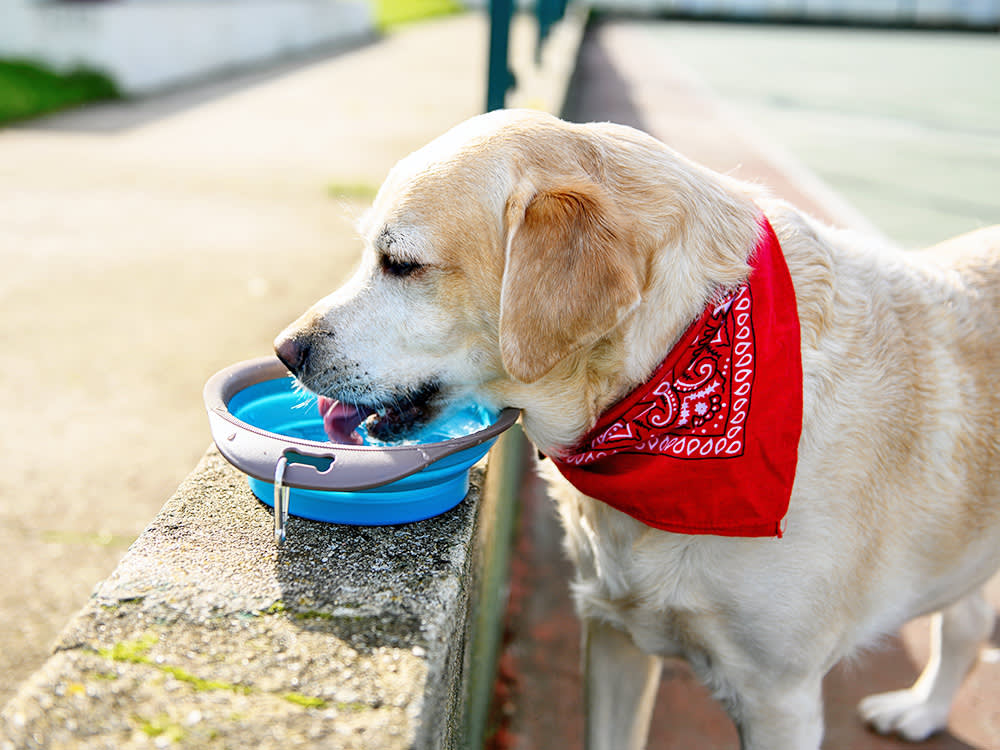
You know exactly how good a cold drink feels after a hard run or a sweaty afternoon, so it’s easy to imagine your dog craving the same thing after a long romp at the park. The instinct to hand them something icy and refreshing is a kind one. But is cold water actually safe for dogs?
Short version: yes, almost always. Cold water, and even ice water, is perfectly fine for most dogs. The thing worth paying attention to isn’t the temperature of the water at all. It’s the speed at which your dog drinks it.
Is cold water actually safe for dogs?
Cold and even ice water is safe for the vast majority of dogs to drink. On a hot day or right after exercise, many dogs actively prefer it. Not every dog will, of course, some just aren’t fussed about temperature, but if you’ve got a pup who drinks more when their water leans toward freezing, there’s no reason to hold back.
The upside of cold water
Let’s be clear about one thing: cold water isn’t more hydrating than room-temperature or warm water. A molecule of water does the same job no matter its temperature. But especially active dogs, or dogs who naturally run a little warm, may appreciate cold water as a faster way to cool off.
Where cold water really earns its keep is in encouraging dogs to drink more. On hot days or after exercise, a chilly bowl can be more tempting. And novelty helps too: dogs are curious creatures, and a simple change in water temperature can draw them back to the bowl more often. If you’ve got a dog who isn’t drinking as much as you’d like, floating a few ice cubes in their water can provide just enough entertainment and intrigue to get them lapping.
Most of the time, dogs are perfectly good at managing their own hydration. On an ordinary day, the average dog drinks roughly what they need to keep everything running and stave off dehydration. But the stakes climb in hot weather, high humidity, and periods of heavy exertion. Dogs need extra water in summer to replace fluids lost to panting, to help keep themselves cool, and to ward off heatstroke. If your dog isn’t ramping up their intake on their own when the temperature spikes, cold water is a gentle nudge in the right direction.
So where did the “no cold water” worry come from?
Here’s the heart of the myth. For years, the worry has been that cold water, especially ice water, could trigger bloat, also known as gastric dilatation-volvulus (GDV). Drinking and water genuinely can play a role in bloat, but the culprit isn’t temperature. It’s speed.
When a dog gulps down a whole bowl of water in seconds, particularly right after exercise or a meal, they swallow a lot of air along with the fluid. That combination can overstretch the stomach walls, causing pain and, in serious cases, cutting off blood supply to the stomach and surrounding organs. In the worst-case scenario, the ballooning stomach can twist on itself, which is life-threatening. Bloat is a true veterinary emergency, so it’s no wonder dog parents want to avoid anything that might contribute to it. Somewhere along the way, cold water got blamed by association.
But it isn’t the cold that stretches the stomach. It’s the gulping, combined with the dog’s own anatomy. Deep-chested breeds like Great Danes, Dobermans, and Greyhounds are most commonly affected.
I get this question constantly, and I always tell owners the same thing: ice water won’t give your dog bloat. What raises the risk is a dog inhaling a huge volume of water all at once, swallowing air in the process, especially right around exercise or eating. Slow the drinking down and you’ve addressed the real issue.
Is there an ideal water temperature?
Put the thermometer away, there’s no magic number that’s right for every dog. It comes down to preference. Some dogs love cold water, others would rather have it at room temperature, and a given dog’s preference may even shift with the weather and how active they’ve been.
What does deserve your attention is how quickly your dog drinks. Warm or cold, water that’s gulped and gobbled is more likely to contribute to bloat than water that’s leisurely lapped.
You don’t need to spend a fortune on a fancy fountain that heats or chills water. A better investment is something that slows your dog’s drinking rate. Plenty of bowls are designed to limit how much water a dog can reach at once, using a physical barrier or a metered release. And as a simple habit, don’t offer unlimited water immediately after exercise or a big meal.
A practical way to slow a gulper: offer water in stages. After a hard run, let your dog have a modest amount, wait ten to fifteen minutes for them to catch their breath, then offer more, rather than setting down a brimming bowl the instant you walk in the door. A slow-feeder or “maze” bowl, or simply dropping a clean, large object into the bowl that the dog has to drink around, does the same job automatically.
The bottom line
- Cold water is perfectly safe, and often preferable, for most dogs. It can help them cool down and may encourage drinking in hot weather or after activity.
- Drinking water too fast is a genuine risk factor for bloat, a serious emergency. Slow your dog’s drinking with a specialized bowl, and limit water right after exercise and meals.
What’s new since this was written
Veterinary consensus has continued to firm up around the same message: the temperature of the water isn’t the villain. Major veterinary and emergency-care sources now routinely list deep-chested breed conformation, rapid eating and drinking, and exercising on a full stomach among the recognized risk factors for GDV, with no credible evidence that cold or ice water causes it.
There’s also growing interest in prophylactic gastropexy, a preventive surgical procedure that tacks the stomach to the body wall to keep it from twisting. For the highest-risk breeds, more vets are now discussing whether to perform it at the same time as a spay or neuter. If you share your home with a Great Dane or another deep-chested giant, it’s a worthwhile conversation to have at your next checkup, and far more productive than worrying about the ice cube tray.
FAQs
Should I put ice in my dog’s bowl?
Ice cubes can be a great way to boost water intake, both by cooling the water and by piquing your dog’s curiosity into drinking more. Just supervise your dog around ice, since crunching down hard on cubes can pose a choking risk or, occasionally, crack a tooth.
What can happen if a dog drinks cold water too fast?
Drinking water too fast, cold or warm, can cause a dog to swallow a lot of air along with the fluid. That can overstretch the stomach walls, causing pain and potentially impeding blood flow to the stomach and abdomen. This is bloat, and it’s a medical emergency.
Can dogs drink water straight from the fridge?
Temperature doesn’t affect the safety of the water. If your dog drinks more when it’s offered cold, wonderful, the more water you can get into them, the better.
Do dogs prefer warm or cold water?
It’s a matter of individual taste. Some dogs drink more when it’s cold, others hold out for room temperature, and a single dog’s preference can shift with the weather and their activity level.
Why have people said you shouldn’t give dogs ice water?
For many years it was believed that cold water led to bloat or GDV, which made plenty of dog parents wary of ever offering ice cubes. We now understand that it’s not the water’s temperature that’s the problem, it’s the speed of drinking, and the amount of air swallowed along the way.
References
- Hunter, Tammy, DVM, et al. “Bloat - Gastric Dilatation and Volvulus in Dogs.” VCA Animal Hospitals. https://vcahospitals.com/know-your-pet/bloat-gastric-dilatation-and-volvulus-in-dogs
- “Gastric Dilatation and Volvulus in Small Animals.” Merck Veterinary Manual. https://www.merckvetmanual.com/digestive-system/diseases-of-the-stomach-and-intestines-in-small-animals/gastric-dilatation-and-volvulus-in-small-animals
Not a substitute for your vet. Our guidance is educational. For urgent symptoms, contact a vet or emergency clinic right away. Editorial standards
Dr. Park is a board-certified emergency and critical care specialist. She reviews our health and safety content for clinical accuracy and contributes guides on recognising urgent conditions. Her focus is helping owners act quickly and correctly when it matters most.
Meet our experts ↗Keep reading
 Health & WellnessThe 'Mystery Dog Illness' Wasn't a Mystery. Here Are 8 Ways to Keep Your Dog Out of It.Dr. Mara Chen · 7 min
 Health & WellnessThe Skin-Pinch Test for Dehydration Fails on the Dogs Who Need It MostDr. Amara Solis · 8 min
 Health & WellnessThe Tick Isn't the Emergency. The Delay Is.Dr. Ravi Mehta · 8 min
 Health & WellnessYour Tick Meds Won't Catch Them AllDr. Lena Park · 6 min
 Health & Wellness'Teacup' Is a Sales Word. Vets Have a Different One for It.Dr. Mara Chen · 6 min
 Health & WellnessPut Down the Neosporin. Your Dog Is Just Going to Eat It.Dr. Ravi Mehta · 7 min