


The FDA Says Toss This Raw Dog Food Now. The Recall Has Only Gotten Bigger.
Federal testing found Listeria, Salmonella, and more in Raaw Energy raw dog food after a dog fell ill. Here are the affected products, how to protect your household, and how far the recall has grown since.

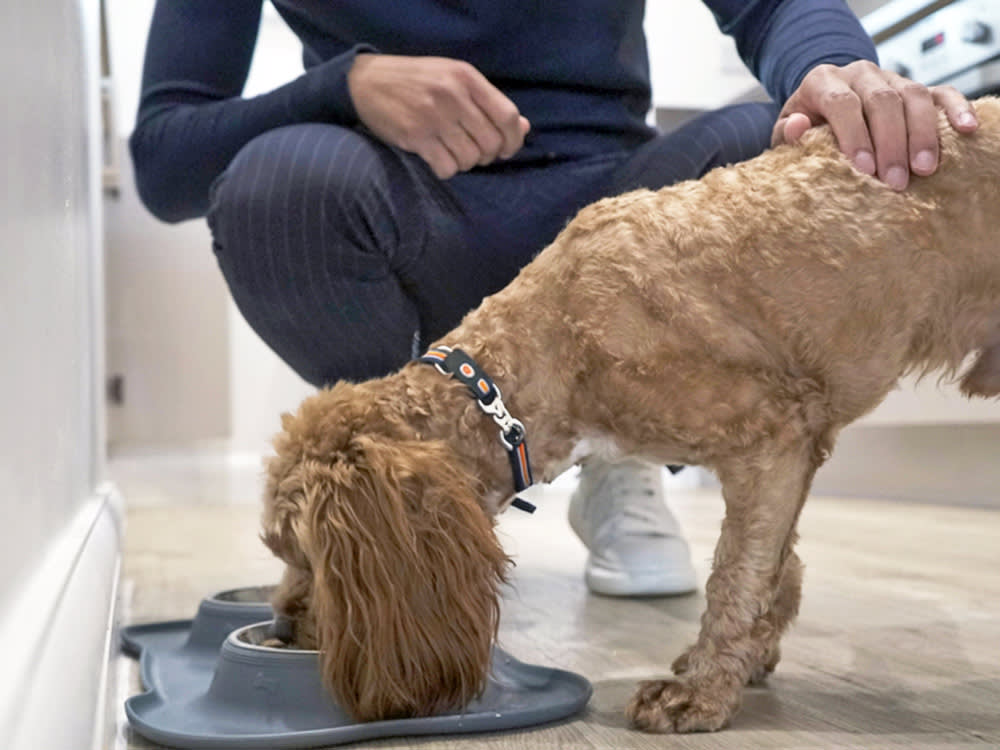
If you feed your dog Raaw Energy, stop and check your freezer before their next meal. The U.S. Food and Drug Administration has warned pet owners not to feed certain Raaw Energy products after federal testing turned up dangerous bacteria, and what began as a targeted advisory has since ballooned into one of the larger raw pet food recalls in recent memory.
Here is what happened, which products are involved, and, just as important, how the situation has changed since the first alert went out.
What the FDA found
The trouble started when a dog became ill. In investigating, the FDA discovered that eight separate lots of Raaw Energy dog food tested positive for one or more harmful bacteria, including Listeria monocytogenes, Salmonella, and Campylobacter jejuni. These are not minor contaminants. Each can cause serious illness in both animals and people, and Listeria in particular is notorious for surviving cold temperatures, which makes it a poor match for the freezer-based storage most raw diets rely on.
The products named in the original advisory
The initial contamination showed up across five Raaw Energy varieties: Chicken Medley, Salmon, Beef Chicken Medley, Beef Turkey Medley, and Beef Chicken Tripe Medley. Every affected lot is identified by a date code printed on a sticker attached to both the product’s cardboard box and its clear plastic food tube, so that is where to look.
The specific date codes flagged first were:
- Chicken Medley: 7.17.25, 11.22.25, and 12.12.25, which tested positive for L. monocytogenes, Salmonella, and Campylobacter jejuni
- Salmon: 12.5.25 and 12.12.25, positive for L. monocytogenes
- Beef Chicken Medley: 12.16.25, positive for L. monocytogenes
- Beef Turkey Medley: 12.18.25, positive for L. monocytogenes
- Beef Chicken Tripe Medley: 12.23.25, positive for both L. monocytogenes and E. coli
What to do if these bags are in your freezer
If any of the listed products are in your home, don’t serve them and don’t pass them along to anyone else. Throw the food out somewhere no animal, child, or curious raccoon can get into it.
Then clean like you mean it, because the risk does not end when the food goes in the trash. Disinfect every surface the food may have touched, including bowls, counters, storage containers, floors, utensils, and the inside of your refrigerator or freezer, plus your own hands. Remove any pet feces promptly and sanitize the area, since an infected animal can spread bacteria through both feces and saliva. Wash your hands after handling your pet, and try to avoid contact with their saliva while the risk is active.
Symptoms to watch for, in pets and people
Listeria monocytogenes, Salmonella, E. coli, and Campylobacter jejuni can all make animals and humans sick. Keep an eye out for fever, loss of balance, a stiff neck, headache, muscle aches, diarrhea, vomiting, and abdominal pain. Most cases stay mild, but the severe ones have ended in arthritis, kidney failure, and even death.
Should anything seem off with your pet, get them to a veterinarian promptly, and flag the possible food contamination so it can guide treatment. Anyone in the household who feels ill should see a doctor. Depending on the specific infection and its severity, treatment can range from rest and fluids to antibiotics or IV support.
What’s new since this was written
The recall did not stay small. What started as eight flagged lots has grown substantially: the company issued a voluntary recall covering products made between July 17 and December 23, 2025, over possible Listeria contamination, and by mid-2026 the number of recalled lots had climbed past 180. This is now a far broader event than the original advisory suggested, which is why it is worth checking your product against the current FDA list rather than an older summary.
There have been a couple of meaningful updates worth knowing. On the reassuring side, follow-up analysis determined that the E. coli strain detected was not a dangerous, illness-causing type, so that particular finding is less alarming than it first sounded. On the corrective side, the company announced it would temporarily halt all dog food production in the spring of 2026 to overhaul its facility, resurfacing key areas, cleaning drains and sewer lines, and deep-cleaning equipment. A production pause is a serious step, and it signals the contamination was traced to the manufacturing environment rather than a single bad batch of ingredients.
The broader takeaway is not that raw feeding is uniquely doomed, but that raw diets carry a real bacterial risk that cooking would otherwise neutralize, which makes strict handling hygiene and prompt attention to recalls non-negotiable. If you feed raw, sign up for FDA recall alerts so you hear about problems like this one early rather than late.
References
- U.S. Food and Drug Administration. “FDA Advisory: Do Not Feed Eight Lots of Raaw Energy Dog Food Due to Contamination with Harmful Bacteria.”
- U.S. Food and Drug Administration. “Raaw Energy Expands Recall of Dog Food Because of Listeria Monocytogenes Health Risk.”
- dvm360. “Raw dog food recall grows to more than 180 lots amid contamination concerns and reported illnesses.”
- American Veterinary Medical Association. “Raaw Energy dog food” recall alert.
Common questions
My dog ate it and seems fine. Should I worry?
Watch closely and call your vet if anything looks off. Infected animals can carry and shed bacteria without appearing sick, so a normal-seeming dog can still spread contamination around the house. Stop feeding the product, disinfect anything it touched, and monitor for symptoms.
Can this make people sick too?
Yes. Listeria, Salmonella, and Campylobacter can all infect humans, often through handling the food or contact with an infected pet's saliva or feces. Wash your hands thoroughly and sanitize surfaces. If a person develops fever, diarrhea, or muscle aches, they should see a doctor.
Not a substitute for your vet. Our guidance is educational. For urgent symptoms, contact a vet or emergency clinic right away. Editorial standards
Dr. Nair is a veterinarian focused on diet and feeding. She covers everyday nutrition, treats, and the many "can they eat this?" questions owners ask, grounding each answer in what is actually safe and sensible for dogs and cats.
Meet our experts ↗Keep reading
 Health & WellnessYour Dog Ate Chocolate. The Word 'Toxic' Won't Tell You What to Do. The Math Will.Dr. Ravi Mehta · 8 min
 FoodThe Christmas Food That Sends Dogs to the ER Isn't Chocolate. It's the Gravy.Dr. Priya Nair · 8 min
 Health & WellnessThe Onion Danger to Your Dog Is the Wait, Not the BiteDr. Mara Chen · 6 min
 FoodTo Your Dog, Spicy Food Isn't a Flavor. It's a Burn AlarmDr. Priya Nair · 9 min
 Health & Wellness'Gently Cooked' Didn't Stop the Plastic: What the BeefiBowls Recall Means for Your DogDr. Amara Solis · 3 min
 Health & WellnessEvery Dog Bone Fails in One of Two Ways. Learn Both and You'll Never Buy Wrong Again.Dr. Ravi Mehta · 7 min