


Chefs Don't Cook Their Dogs Gourmet Meals. They Upgrade the Kibble, Safely
The real lesson from how culinary pros feed their pets isn't a fancy recipe, it's a technique: turn kitchen odds and ends into a smart topper. Here's how they do it, plus the safety rules that keep it from backfiring.

Affiliate disclosure. This article contains affiliate links. We may earn a small commission if you buy through a link, at no extra cost to you. How we handle recommendations.
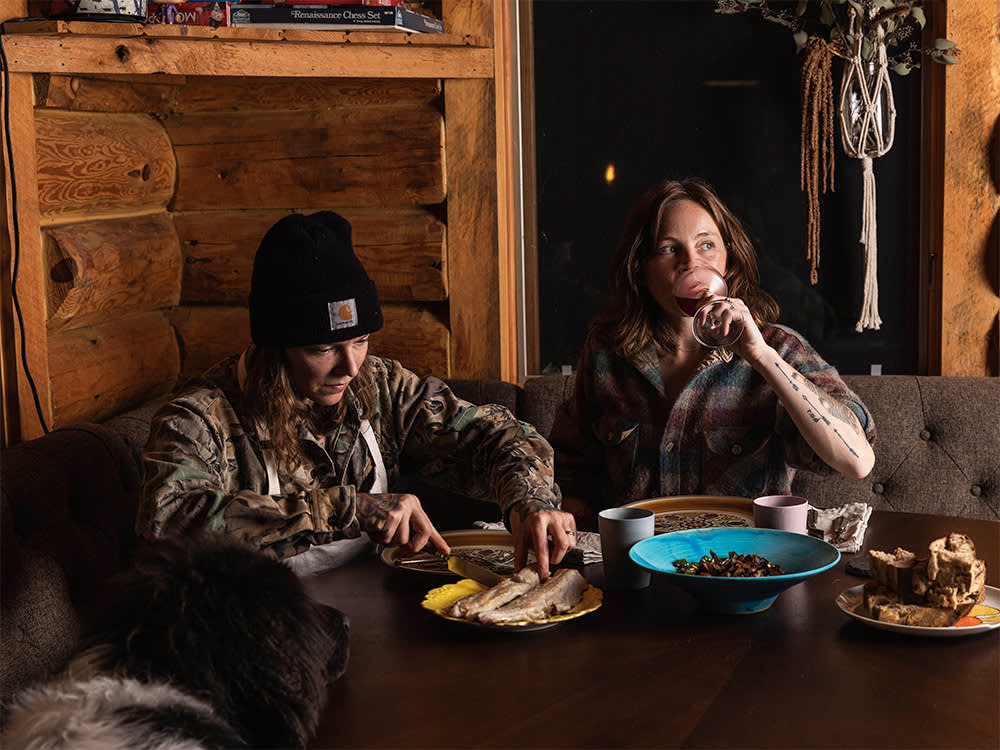
Ask a professional chef how they feed their pets and you might expect a parade of from-scratch gourmet meals. What you actually get, after polling enough of them, is something more useful and more repeatable: most of them aren’t cooking their dogs separate dinners at all. They are taking the leftovers and trim they already have on hand and turning them into a smart topper over a base of regular kibble. The skill on display is not a recipe. It is a technique, and it is one any owner can borrow.
That distinction matters, because the technique comes with rules that the “look what chefs feed their pets” angle tends to skip. A chef’s trained instinct for which scraps are food and which are garbage is doing quiet safety work in the background. So here is what culinary pros are actually putting in their pets’ bowls, the principle that ties it together, and the guardrails that keep a leftover topper from becoming a vet visit.
The technique: kibble as a base, scraps as a finishing layer
Michelin-starred chef Iliana Regan, founder of The Milkweed Inn in Michigan’s Upper Peninsula and author of Burn the Place and Fieldwork: A Forager’s Memoir, is a clean example of the method. She makes chicken stock constantly, so she pulls the leftover meat off the bones and builds from there, mixing in roasted sweet potato, peas, blueberries, and brown rice, then spooning it with a little broth over the top of her dogs’ kibble. The kibble keeps the diet complete and balanced; the topper makes it exciting. That split, balanced base plus appealing finish, is the whole trick.
Top Chef contestant Shota Nakajima runs the same play with a different pantry. For his dog Dodger, he braises vegetable scraps from the compost bin with water and whatever protein is around, finishes with rice, and adds a splash of salmon oil. He started the salmon oil to address some dry skin and credits it with a shinier coat. Same structure: a modest finishing layer over a regular meal, with one targeted addition for a specific need.
Scraps are a tradition, but not all scraps qualify
“Dogs have been eating human scraps since they were domesticated from wolves,” notes Jessica Randhawa, head chef behind The Forked Spoon, who finds leftovers keep her very active German Shepherd, Australian Shepherd, and Husky mix in great shape, especially leftover beef bones from her bone broth and chicken scraps. The history is real. So is the catch a chef internalizes without thinking about it: the tradition only works because they instinctively hand over the safe stuff and bin the rest.
This is the guardrail the romantic version of the story leaves out. Before you channel your inner chef, separate the scraps that genuinely belong in a dog’s bowl from the ones that send dogs to the emergency room.
Generally safe as a topper, plain and in moderation: cooked lean meat with skin, bones, and excess fat removed; plain cooked rice or sweet potato; peas, carrots, and green beans; blueberries; a little plain pumpkin.
Keep out of the bowl entirely: onions, garlic, leeks, and chives (they damage red blood cells); grapes, raisins, and currants (even a small amount can trigger kidney failure); cooked bones of any kind (they splinter); anything heavily salted, fatty, or sauced; chocolate, xylitol, and macadamia nuts. A rich, fatty trim scrap is also a classic trigger for pancreatitis, so trim the fat the way a chef would.
One important note on a real-world example: a fifth-generation chicken keeper might add garlic to a winter oatmeal for chickens, whose tolerance differs, but garlic does not belong in a dog’s or cat’s bowl. Match the scrap to the species, and when unsure, leave it out.
A finishing oil for the coat, used the way a chef would
Nakajima’s salmon-oil habit points at the one supplement worth singling out. A fish oil rich in omega-3s can genuinely support skin and coat, which is why so many chefs reach for it as a finishing splash rather than a main event. Use it like seasoning: a small, measured amount, not a pour. Too much fat at once can upset a stomach or, over time, add unwanted calories. If your dog has a known fat sensitivity or a pancreatitis history, clear it with your vet first.
The recipe worth actually copying
Of everything chefs shared, the most broadly useful is not a treat but a base technique: a simple soup used to rehydrate dry food. Bridgette Witte, the chef behind Culinary Debates, recommends it for jazzing up kibble, and the best part is you can batch it and freeze it for up to two months.
A chef-style dog soup
Ingredients
- 2 substantial chicken legs (or breasts), with bone and skin
- 1 medium carrot, peeled and sliced into 1-inch pieces
- 1 gallon of water (use 1 quart at a time as directed)
- 1 cup of peas
Directions
- In a 3-quart saucepot, combine the chicken, carrot, and 1 quart of water. Bring to a simmer and skim off any foam and fat.
- Add the peas and simmer for 4 minutes (or 1 minute for breasts), then boil for a further 5 minutes.
- Remove from the heat and cool completely to room temperature. Never serve a dog hot food.
- Remove the chicken, strip off all skin, bones, cartilage, and fat, cut into large nugget-sized pieces, and return it to the soup. Discard the cooked bones entirely.
- Moisten 1 cup of dry dog food with about 1/2 cup of warm broth.
The topper math that keeps it balanced
The reason chefs can do this without unbalancing their pets’ diets is the part nobody photographs: restraint. A complete-and-balanced kibble is doing the nutritional heavy lifting, and the topper is a finish. Keep all extras, broth, meat, fruit, oil, to roughly 10 percent of your pet’s daily calories. Go much past that and the careful balance of the base food gets diluted, which over time can cause exactly the deficiencies and weight gain the kibble was designed to prevent.
That single ratio is what separates a chef’s smart topper from a free-for-all of table food. Borrow the technique, respect the safe-scrap list, keep the extras under that 10 percent ceiling, and you can serve your pet a little culinary magic without cooking a second dinner or risking their health.
References
- “People Foods to Avoid Feeding Your Pets.” ASPCA Animal Poison Control Center, www.aspca.org/pet-care/animal-poison-control/people-foods-avoid-feeding-your-pets.
- “Treats and Snacks: The 10 Percent Rule.” WSAVA Global Nutrition Committee, wsava.org/global-guidelines/global-nutrition-guidelines/.
- “Pancreatitis in Dogs.” Cornell University College of Veterinary Medicine, www.vet.cornell.edu.
Not a substitute for your vet. Our guidance is educational. For urgent symptoms, contact a vet or emergency clinic right away. Editorial standards
Leila Torres leads our Living coverage, from home life and travel to the products and rescue stories that come with sharing a life with animals. She edits and writes across the section, with a soft spot for pieces about the bond between people and their pets.
Meet our experts ↗Keep reading
 Food40 Homemade Dog Biscuits, 5 Ingredients, One Rule About Peanut ButterDr. Mara Chen · 5 min
 FoodTurmeric Barely Absorbs in Dogs. This Treat Recipe Fixes the Flaw.Dr. Nina Kohl · 5 min
 FoodThe 4-Ingredient Frozen Dog Treat (Check the Label First)Sara Lim · 5 min
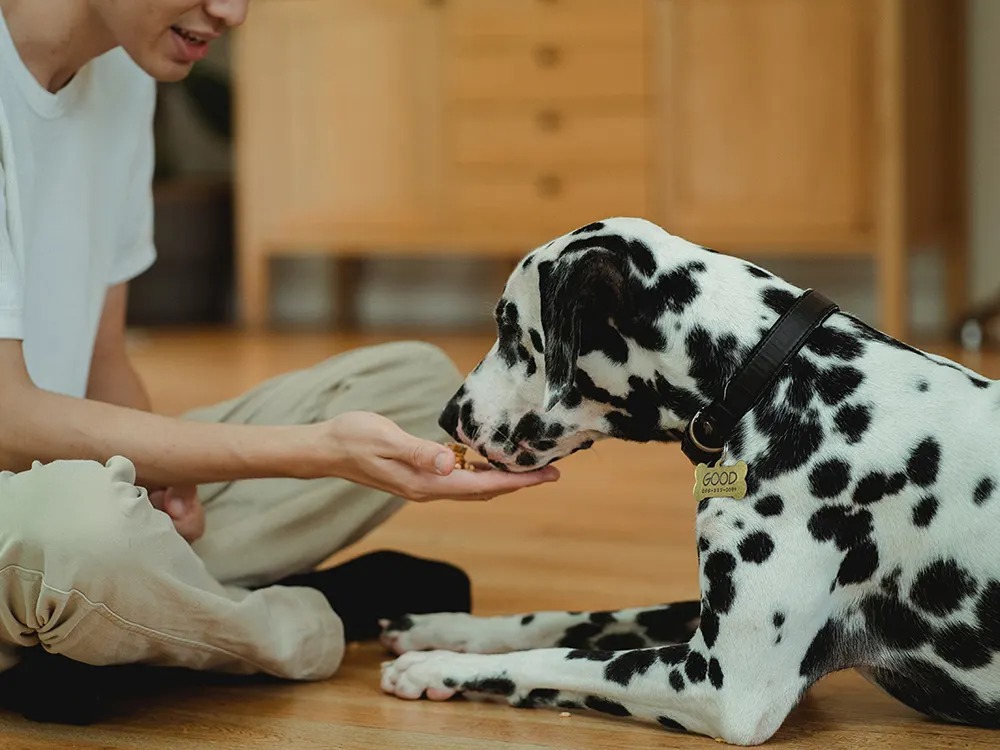 FoodThe Store-Bought Cracker Is Wrecking Your Dog's Snack. This 4-Ingredient Biscuit Fixes It.Dr. Priya Nair · 5 min
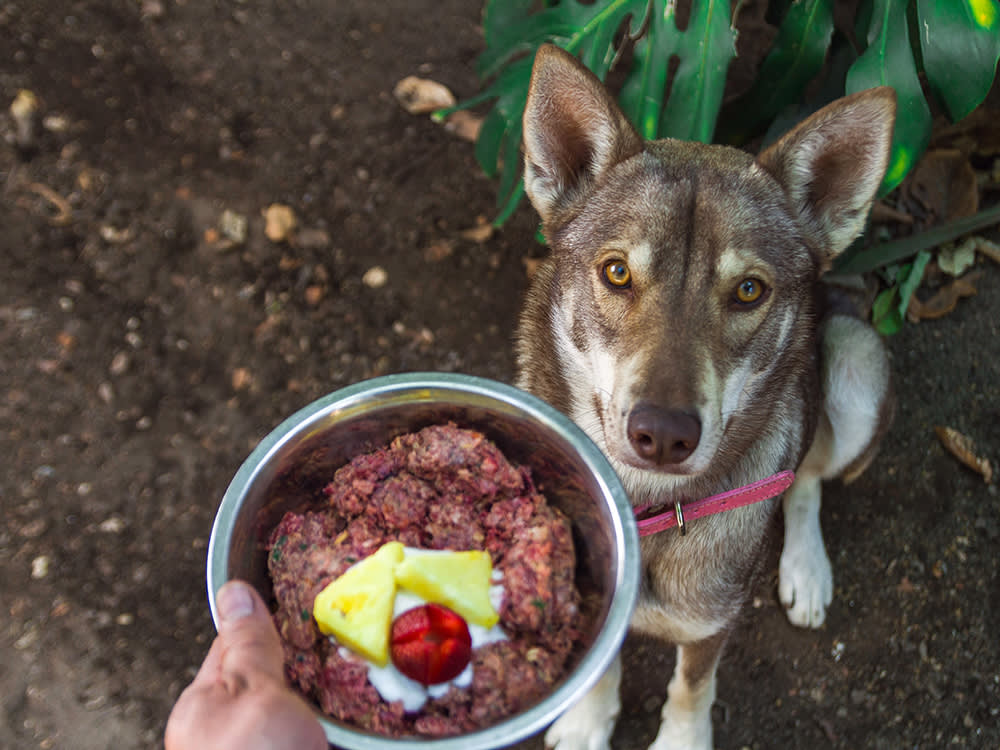 FoodRaw Dog Food's Real Danger Isn't the Meat. It's What You Skip.Dr. Priya Nair · 6 min
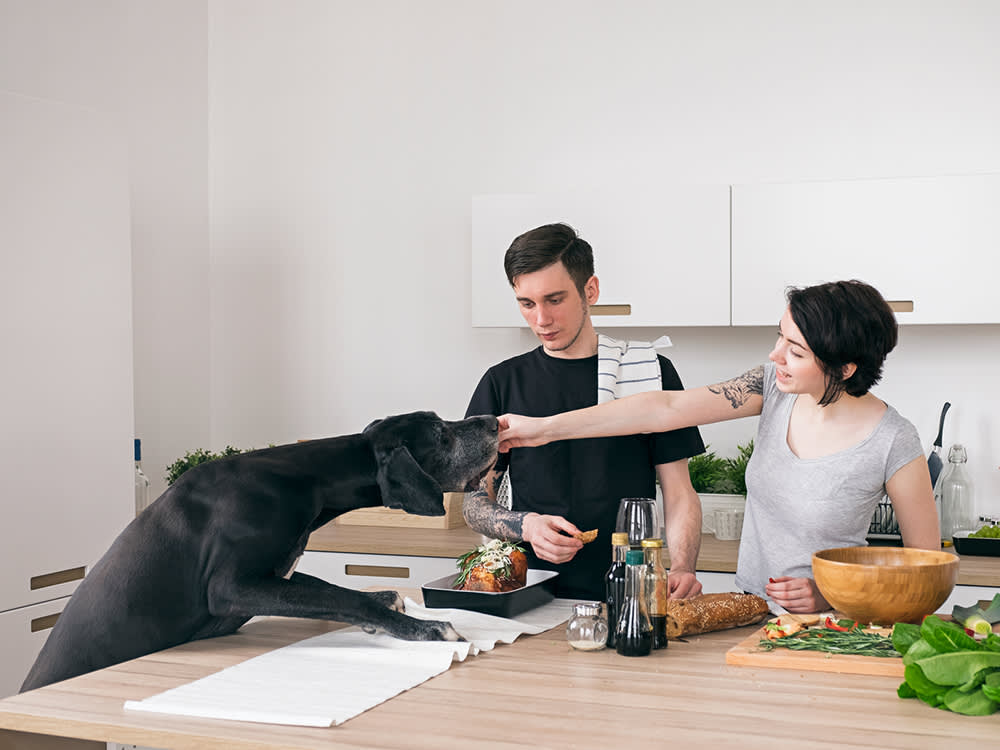 FoodHome-Cooked Dog Food Can Run $3 a Day. The Real Price Is Your Sundays.Dr. Amara Solis · 9 min