


Every Big Pet Trend Traces Back to One Shift: Pets Became Family
Personalized food, fear-free training, AI health collars, pet insurance, travel. The shifts reshaping pet care look scattered until you see the single change driving all of them, and what it means for how you spend.

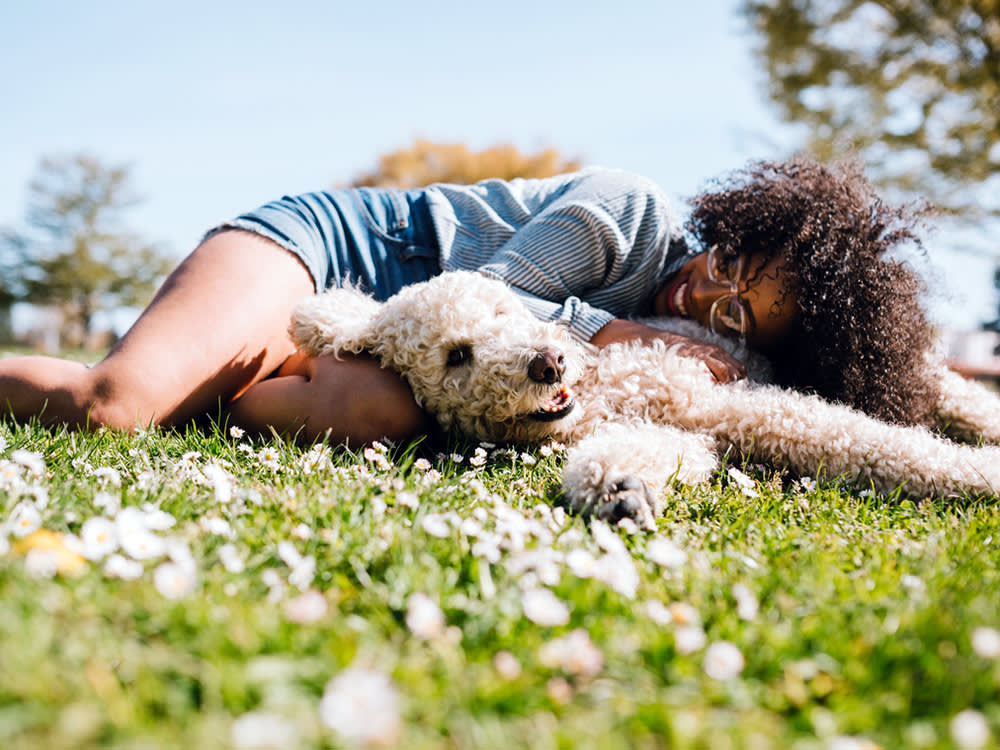
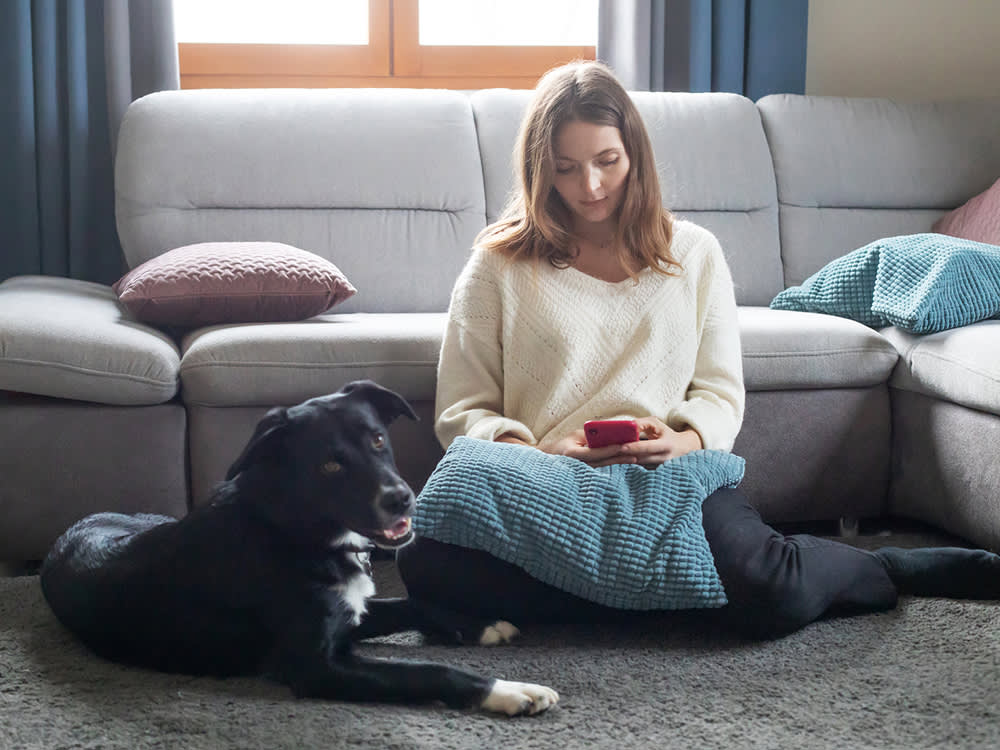
The pet aisle can feel like a pile of unrelated fads: subscription fresh food, AI collars, fear-free trainers, pet insurance startups, dog-friendly hotels. Pick them apart and they look like noise. Step back and they snap into focus, because all of them are downstream of a single change. Pets stopped being property and became family, and once you treat an animal like a family member, every one of these “trends” is simply what follows.
The numbers make the shift concrete. As of 2024, about 71 percent of U.S. households, roughly 94 million homes, included a pet, according to the American Pet Products Association, and the large majority of dog and cat owners describe their animals as members of the family rather than possessions. That reframing, not any one product, is the engine. Here is how it drives each of the changes you are seeing, so you can tell which ones are worth your money and which are just the family logic dressed up.
Because family eats well: personalized nutrition
We tailor our own diets to our health, so it was only a matter of time before we did it for animals we consider kin. The pet industry has noticed: as the nutrition company ADM put it, the forces driving human nutrition, balanced wellness, proactive personalization, and sustainability, now drive pet nutrition too. Nutrition has become the top factor people weigh when researching how to help a dog or cat thrive.
In practice this means reading food labels to cut what your pet does not need, factoring in breed and life stage, considering supplements like omega-3s and probiotics, and adding nutrient-dense whole foods to the bowl. For cats, the emphasis lands on protein-rich meals, omega-3s, and certain antioxidant-rich human foods. The caution that comes with the trend: “personalized” is also a powerful marketing word, and a fresh-food subscription is not automatically better than a quality complete-and-balanced diet. The family logic is sound; just make sure the upgrade is real, ideally with your vet’s read on your specific animal.
Because family is part of your values: sustainability
If a sustainable lifestyle matters to you, it increasingly extends to your pet. Roughly three-quarters of U.S. consumers say sustainability is important to them, and that value now reaches the litter box and the food bowl. Many cleanup and grooming products carry chemicals that affect both your pet’s health and the environment, and a pet’s diet, heavy in meat, carries a real footprint.
The practical moves are modest and often cheaper: at-home cleaning swaps using baking soda and vinegar, cooking a clean homemade meal (with your vet’s sign-off on completeness), and choosing products with credible eco-credentials, B Corp certification, genuinely biodegradable packaging, recycled materials, over vague “green” labels. Treat the buzzwords with the same skepticism you would a food claim.
Because you would not frighten a family member: fear-free training and care
The old model of training through dominance and force has given way to fear-free methods, an approach founded by Dr. Marty Becker that minimizes restraint and replaces fear with positive reinforcement. The shift is explicitly about not traumatizing an animal you love in the name of helping them.
“If your pet believes it will be harmed or is going to die at the vet, that is a red flag,” Becker has said, pointing to rough handling and forced restraint as warning signs that a provider is working against the animal rather than with it.
His method draws on more than 300 science-based studies, and it has spread from training into how good vets and groomers handle animals, because a calm animal is safer and easier to care for, and a calm owner follows. When you choose a trainer, vet, or groomer now, “fear-free” or “low-stress handling” is a credential worth asking about.
Because you watch a family member’s health: AI collars and home testing
Treating pets as family fuels a boom in preventive health tech, all aimed at catching illness before it is too late. Smart collars now combine GPS location with day-to-day health monitoring and alerts. Whistle’s tracker and activity monitor, built by vets and data scientists around the records of more than 100,000 dogs, learns how a dog’s behavior maps to health, while PurrSong’s LavieTAG gathers health and location data for cats. For earlier detection still, there are home kits, from Oncotect’s canine cancer screening to Wisdom Panel’s cat DNA test.
The honest caveat: these tools support care, they do not replace it. A collar’s alert is a prompt to call your vet, not a diagnosis, and the data is most useful when it changes how attentively you act, not as a gadget that watches so you do not have to.
Because family has a safety net: pet insurance and pet finance
One of the first jolts of pet parenthood is how expensive a sick animal can be, and as people grow savvier, insurance has moved from nice-to-have to default. Guides now break down how to choose a plan, the fine print to watch, and what coverage should include, and telehealth startups offer around-the-clock vet access that can head off a costly ER trip. Pet-specific finance apps like DuePet consolidate records, send care reminders, and track spending against a budget. This is the family logic at its most literal: you insure and budget for the people you are responsible for, so now you do it for the animals too.
Because family travels together
As pets weave deeper into daily life, leaving them behind feels less acceptable, and travel has adjusted. More than two million pets fly each year, and a majority of pet owners report traveling with their cats and dogs. For a fee, and sometimes health paperwork, many airlines accommodate small pets in the cabin, though bringing an emotional-support animal aboard has grown harder since 2021, so always confirm with the airline. (Putting larger pets in cargo carries real safety risks and is best avoided.) On the ground, the bigger story is the explosion of pet-friendly hotels, resorts, and short-term rentals fueling a road-trip boom, matched by a growing market of harnesses, carriers, and crash-tested seatbelts to keep travelling animals safe.
The bottom line
You do not need to track every product launch to keep up with pet care. You need one idea: pets are family now, and every shift, the food, the training, the collars, the insurance, the travel, is just that idea working itself out across an industry. Hold the idea and you can judge any new “trend” on its merits by asking a single question: does this actually serve an animal I treat as family, or does it just borrow the language of family to sell me something? The first kind is worth your money. The second is just the front of the bag.
References
- “APPA State of the Industry Report 2025.” American Pet Products Association, americanpetproducts.org/industry-trends-and-stats.
- “Care and Handling of Pets Traveling by Air.” USDA Animal and Plant Health Inspection Service, aphis.usda.gov/pet-travel.
- “Fear Free Certification Program.” Fear Free Pets, fearfreepets.com.
James Okafor covers rescue, adoption, and the causes shaping animal welfare. His work follows the people and organisations working to give more pets a home, and the issues owners and advocates care about most.
Meet our experts ↗Keep reading
 Living7 Genuinely Pet-Safe Houseplants — and the Toxic Twins to AvoidLeila Torres · 6 min
 LivingVirgo Season Is Basically a Holiday for Type-A Pet ParentsNina Vasquez · 5 min
 Living'Pet-Safe' Is a Marketing Word. Read the Label Instead.Dr. Nina Kohl · 7 min
 LivingPet-Safe Cleaning Is About How You Clean, Not Just What You BuyNina Vasquez · 6 min
 LivingThe Vet Now Comes to You, and Your Pet Is Calmer for ItMarcus Webb · 6 min
 LivingShould You Co-Parent a Pet With Your Ex?Sasha Ford · 8 min