


Your Dog's Shed Fur Is a Raw Material. Here Are 8 Things to Do With It
That tumbleweed of pet hair under the couch is not just clutter. From feeding your compost to soaking up ocean oil spills to spinning actual yarn, here are eight uses for shed fur, sorted from no-effort to genuine project.
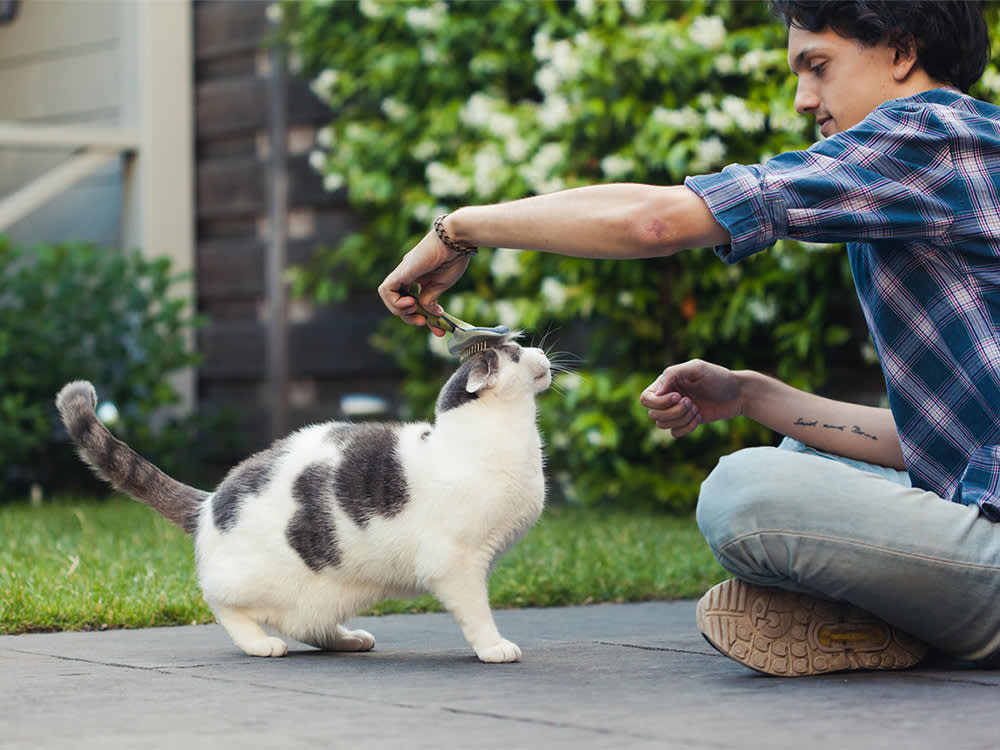
Managing pet fur can feel like a second job. You brush, you vacuum, you lint-roll, and still it drifts across the floor like tumbleweed. Most of us sweep it up and toss it without a second thought. But shed fur is genuinely useful stuff, and a surprising number of people, gardeners, crafters, even oil-spill responders, actively want it. Before you empty the brush into the trash again, here are eight things you can do with it instead, arranged from “requires nothing” to “weekend project.”
The no-effort uses
Feed your compost. Pet hair is compostable and rich in nitrogen, the nutrient that powers plant growth, so it makes a fine addition to a compost pile. The one trick is to spread it thin rather than dropping in a clump, since matted fur breaks down slowly. Turn and aerate the pile a few times a week and the hair should be gone in about a month, folded into fertilizer for your garden.
Guard the garden. Dog hair works as a natural, animal-friendly deterrent against the critters that raid a vegetable bed, gophers, squirrels, rabbits, and chipmunks. They catch the scent of a predator and decide your neighbor’s yard looks better. Just tuck tufts around the base of vulnerable plants, or stuff fur into small burlap bags and hang them around the beds. You will need to refresh the supply now and then to keep the scent strong.
Leave it out for the birds. Birds line their nests with soft material for exactly the reason we cuddle our pets: it is cozy and warm. Set out a mesh bag of fur somewhere accessible, or drape tufts over branches and fence posts, and let the local birds help themselves. Two safety rules matter here. Never offer hair treated with flea or tick medication, which can poison birds, and keep the strands short, because long fur that gets rained on can stiffen and entangle. Do not wash it, though, that mammal smell actually helps keep parasites and predators away from the nest.
The mail-it-off use
Donate it to clean up water. If DIY is not your thing, you can ship your fur somewhere it does real good. It turns out hair is remarkably good at absorbing oil, better than many synthetic products, holding several times its own weight in petrochemicals. The nonprofit Matter of Trust puts that property to work, felting donated hair, fur, wool, and fleece into mats and scrims that pull oil out of polluted water in storm drains, rivers, and spill sites. You sign up on their site, pack up the fur, and mail it to the address they send you. It is one of the few uses that turns a household nuisance into environmental cleanup, and they are happy for you to show off the pet who produced it.
The craft uses
Felt it. Making felt from fur is genuinely easy and a good gateway project. You need two containers, some dish soap, and a pile of hair. Fill one container with warm soapy water and the other with cold, bunch the fur into a ball, dip it in the warm water, squeeze out the excess, and roll it between your palms until it binds into felt. A rinse in the cold water sets it. From there you can scent it with a drop of essential oil or dye it, and felted balls become cat toys, ornaments, or dryer balls.
Stuff a toy, pillow, or bed. Clean fur makes a soft, free, eco-friendly filling. Wash a batch with pet shampoo until it is clean and scentless, then sew it into a homemade dog toy, a small pillow, or a pet bed. It beats buying synthetic stuffing, and there is something fitting about a dog napping on a bed padded with their own coat.
The ambitious uses
Spin it into yarn. Yes, really, you can spin pet fur into yarn, a craft with deep roots: the Coast Salish peoples of the Pacific Northwest famously kept woolly dogs and spun their fur into textiles for centuries before sheep’s wool became widespread in the region. If you do not want to learn to spin, a handful of specialty companies will turn your pet’s brushed hair into custom yarn for you, which knitters have used to make keepsake hats, scarves, and mittens.
Make a keepsake. For a more personal project, needle-felting turns a tuft of your pet’s fur into a small memento, a felted portrait, a tiny sculpture, or a bead you can keep. It is a quietly meaningful way to hold onto a bit of a beloved animal, especially a senior pet, and it uses the very thing they leave behind everywhere anyway.
What’s new since this was written
Matter of Trust has kept growing its “hair matters” model. Beyond the oil-absorbing mats used in spill response and storm-drain cages, the group now routes shorter hair, fur, and wool into “hair mulch” for remediating soils and stabilizing erosion-prone areas, and it is working to build a network of hundreds of satellite collection partners worldwide by 2030. In other words, the pipeline for donated pet fur is wider than it used to be, and easier to plug into. The next time the brush fills up, you have options that beat the trash can.
Common questions
Is it safe to give pet hair to birds for nesting?
Only if the hair has not been treated with flea or tick medication, which can be toxic to birds. Keep the strands short, since long fur can harden when wet and tangle nestlings, and do not wash it, because the mammal scent actually helps deter parasites and predators from the nest.
Can pet hair really clean up oil spills?
Yes. Hair and fur can absorb several times their weight in oil, and the nonprofit Matter of Trust felts donated hair into mats and scrims that soak petrochemicals out of water in storm drains, rivers, and spill zones. It is one of the more surprising second lives for a hairbrush's worth of fur.
Do I need to wash pet hair before composting or crafting with it?
For compost and garden use, no, raw hair is fine. For anything that goes near you, like stuffed toys, pillows, felt, or yarn, wash it first with a little pet shampoo so it is clean and scentless before you work with it.
Jordan Ellis is a certified professional dog trainer with a decade of experience working with rescue organisations and private clients. They specialise in anxiety, reactivity, and positive reinforcement methods, and review all training and behaviour content at The Pet Times.
Meet our experts ↗Keep reading
 Living6 Climate Wins That Make Eco-Friendly Pet Parenting EasierTom Hadley · 6 min
 Living'Pet-Safe' Is a Marketing Word. Read the Label Instead.Dr. Nina Kohl · 7 min
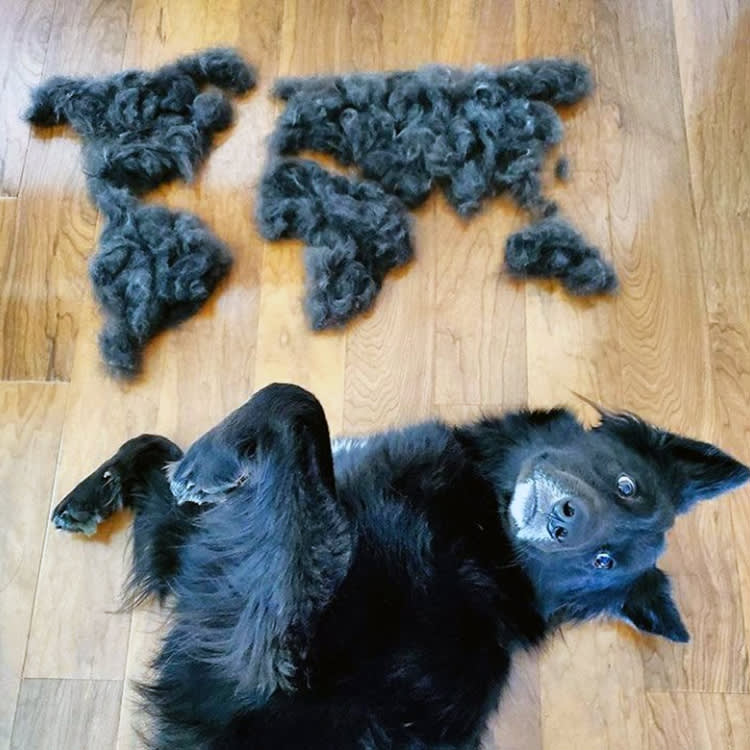 LivingDon't Vacuum Up That Fur. It Can Soak Up an Oil Spill.Leila Torres · 6 min
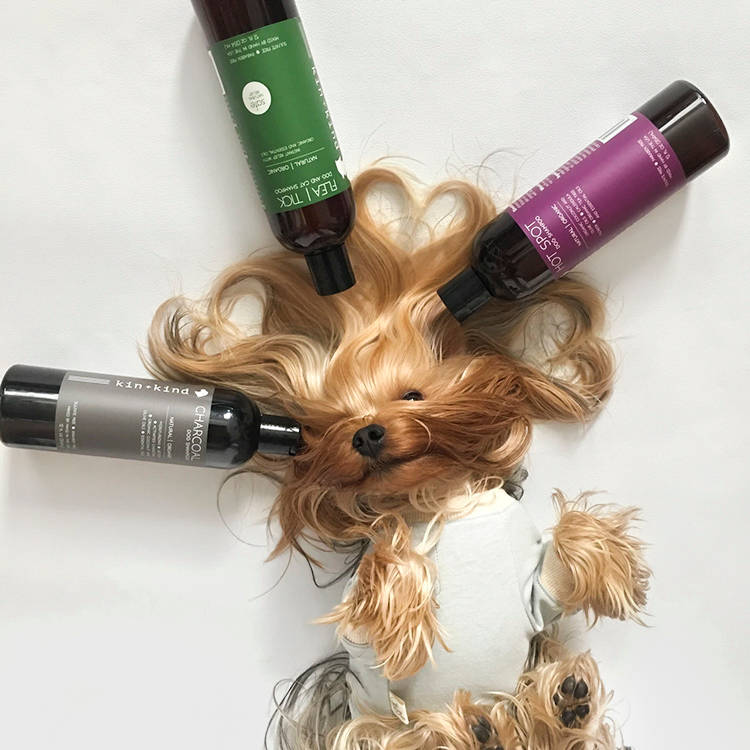 Product Picks'Natural' Pet Care Is a Word Nobody Checks. Read the Back of the Bottle.Dr. Amara Solis · 7 min
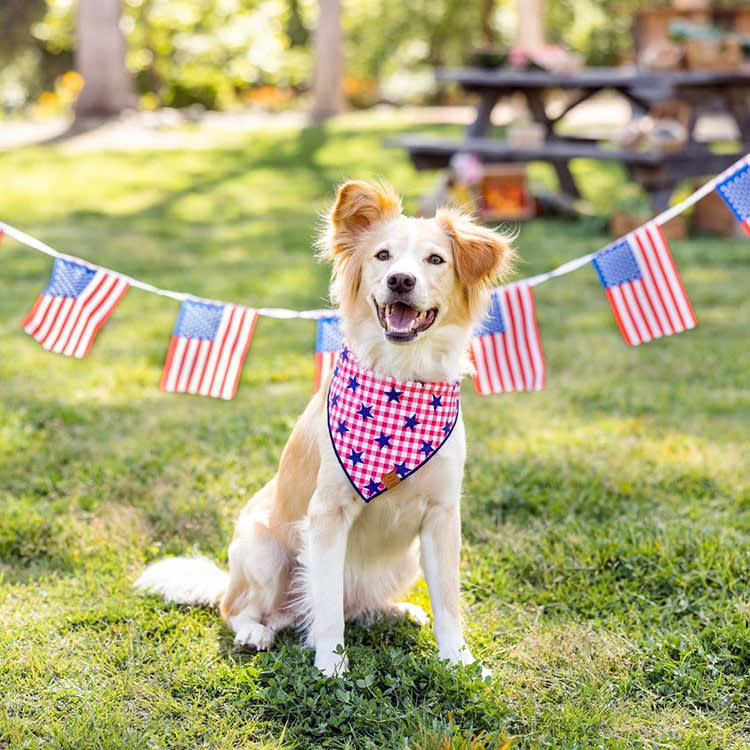 Product Picks7 American-Made Pet Brands Worth Your Memorial Day DollarsLeila Torres · 6 min
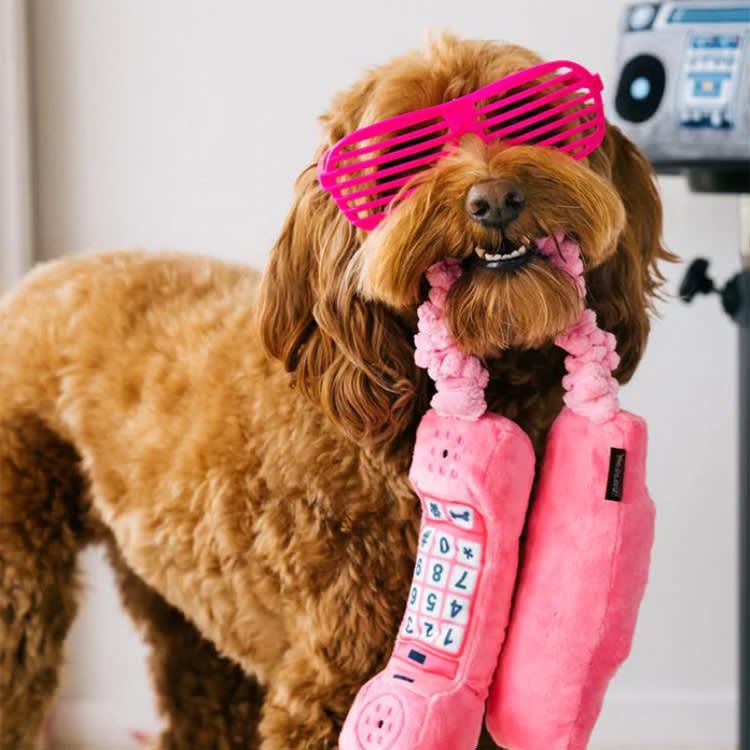 LivingA Pug Named Momo Couldn't Find a Good Bed. So Her Owner Built a B Corp.Tom Hadley · 7 min